Author: Terri person

  • The Ultimate Guide to Install MariaDB on Debian

    The Ultimate Guide to Install MariaDB on Debian

    MariaDB is a popular database and enables you to meet all your workload. MariaDB platform contains more features, better performance, and new storage engines. It is very similar to MySQL and in fact, it is a fork of MySQL. This article will give an ultimate guide to install MariaDB on Debian operating system.

    What is MariaDB?

    MariaDB is an open-source relational database management system used as an alternative to MySQL in the database components of the LAMP (Linux, Apache, MySQL, PHP/Python/Perl) stack. This platform is used for different proposes such as data warehousing, enterprise-level features, E-commerce, and logging applications. You can use it on any scale and any cloud database. MariaDB is well-documented, so if you need to solve a problem, you can get plenty of help online.

    Steps to Install MariaDB on Debian

    If you decide to install MariaDB and you use the Debian operating system, you can follow the step-by-step instruction presented in this article. Before starting the process of installing MariaDB on Debian, we recommend you buy and use the Linux VPS server plans provided on our website and enjoy its high quality and speed.

    install mariaDB on debian

    Prerequisites

    These are the requirements before you start the installation process:

    – Updated Debian operating system

    – Non-root administrative user

    – Firewall Configured with UFW

    Installing MariaDB on Debian

    The first step you have to do before installation is to update your system. You can use the following apt command:

    sudo apt update

    Now, install the necessary packages using the command below:

    sudo apt install mariadb-server

    You should use the script that the mariadb-server package provides so that it can restrict access to the server and makes it possible to remove unused accounts. You should do this cause the default configuration leaves your installation insecure.

    Configuring MariaDB on Debian

    If you want to do a fresh installation of MariaDB, your next step is to run the existing security script. This script is highly effective because it overrides some of the less secure options, such as remote root login and sample users. The command below is to run the security script:

    sudo mysql_secure_installation

    Using this command will take you to a series of prompts with which you can make changes to your MariaDB installation security options.

    As you have a protected root account you can skip the next step by typing n and then pressing enter.

    At the next prompt, you will be asked to change your root password. Answer the question by Typing n and answering no. It’s better to not change the configured authentication methods for that account.

    At the next prompt, you can choose Y and press enter to accept the defaults for all other questions. This action will remove some anonymous users and the test database and also the login to the root will be disabled. After all these steps, you successfully finished MariaDB’s initial security configuration.

    Creating an Administrative User that Uses Password Authentication (Optional)

    Changing the root account is not recommended because most things like rotating logs or stopping the server are done by this user. This change in the /etc/mysql/debian.cnf configuration file may work initially, but updating the package will potentially overwrite these changes. So, instead of changing the root account, it is recommended to create a separate administrative account with a password.

    You should open the MariaDB terminal and use the command below:

    sudo mariadb

    Create a new user with root privileges and password-base access. To match your preferences, you should ensure to change the username and password:

    GRANT ALL ON . TO 'admin'@'localhost' IDENTIFIED BY 'password' WITH GRANT OPTION;

    If you want to ensure that changes are saved and available in your current section, flush the privileges:

    FLUSH PRIVILEGES; 

    The last step is to exit the MariaDB shell:

    exit

    Testing MariaDB

    Now, it is time to test the MariaDB installation. As you installed the repositories, MariaDB will start running automatically. Use the following command to check the status:

    sudo systemctl status mariadb

    If you couldn’t start MariaDB, use the command below for this reason:

    sudo systemctl start mariadb

    Tip: For further checkout, you can connect to the database using mysqladmin tool. This will allow you to run administrative commands.

    Conclusion

    This Guide was a simple and step-by-step explanation for installing MariaDB on Debian operating system. Here, you learned how to install, configure, and as the last action, how to test MariaDB on your system. You also learned how to create an extra administrative user. We hope this was a useful tutorial for you.

    FAQ

    What is the default user for MariaDB in Debian?

    Default MariaDB user accounts and privileges
    The default configuration consists of: A privileged account with a username of root. The root user has remote access to the database.

    Why use MariaDB instead of MySQL?

    When it comes to performing queries or replication, MariaDB is faster than MySQL. So if you need a high-performance relational database solution, MariaDB is a good choice. In addition, MariaDB also easily supports a high concurrent number of connections without much performance degradation.
  • Comparison of VDI vs RDS; Advantages and Disadvantages

    Comparison of VDI vs RDS; Advantages and Disadvantages

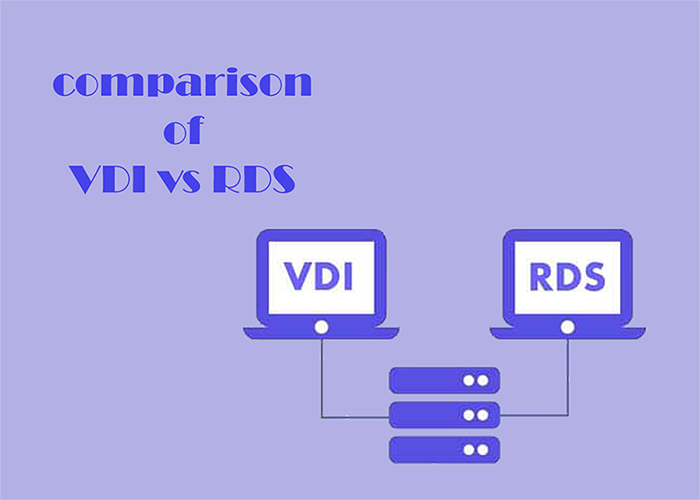
    Here, we will discuss VDI and RDS technologies types for virtual desktops. These two are alternative desktop virtualization and remote desktop technologies. These solutions were created to achieve desktop virtualization. VDI and RDS have their own characteristics. So, we decided to examine these technologies and presented an article including the comparison of VDI vs RDS, advantages and disadvantages to give you a clear guide and help you to decide between them.
    What is VDI?

    The way it works in the virtualization system VDI (Virtual Desktop Infrastructure) is in such a way that a desktop operating system is managed and controlled by a remote server. Users use this technology to log into a remote server and create a separate virtual operating system that runs for users on top of a hypervisor. When the user logs in, the connection broker connects their session to the virtual machine.

    What is RDS?

    Remote Desktop Services (RDS), was developed by Microsoft with the aim of making users less dependent on their local desktop. This technology was known as Terminal Services prior to 2008. RDS is very useful because it is helpful for users in accessing desktops and applications from different types of client applications and devices via Microsoft’s Remote Desktop Protocol (RDP).

    What is the Difference Between VDI and RDS?

    RDS and VDI offer similar functionality. With both of these technologies, users log on to a remote system, which provides users with a desktop containing all the software they need to carry out their work. You can store all files and applications remotely.
    Troubleshooting issues is very easy and also handles software upgrades. We suggest you choose and use the Admin RDP plans of our website.

    VDI vs RDS

    VDI vs RDS

    The experience of using RDS or VDI is almost the same for users. However, there are significant differences between the two that focus on aspects such as:

    – Flexibility

    – Reliability

    – Maintenance

    These differences make each solution compatible with different types of organizations based on the requirements.

    Now, we will analyze the advantages and disadvantages of VDI and RDS.

    What are the Advantages of VDI?

    Here are some advantages of Virtual Desktop Infrastructure:

    Improved User Experience

    As VM is separated from the rest of the system, you will have no connection problems. This will cause to allocate more power to the users who really need that. For example, users who use memory-intensive software such as Photoshop can run a Windows desktop operating system instead of a Windows server with the help of virtual machines, and in this way, things go faster and easier.

    The Possibility to Choose Application

    If you use VDI you can have a wider range of applications to use and there will be fewer compatibility issues.

    Offline Working

    Offline working is supported by VDI. As a result, users can continue to work even without the Internet, so that when they come back online, data can be easily synchronized with the server.

    Device Flexibility

    VDI is created in a way that users can connect with their own smartphone, laptop, tablet, or desktop.

    What are the Disadvantages of VDI?

    These are the disadvantages of VDI:

    Higher Upfront Costs

    Using VDI involves a lot of costs. These costs include Hardware costs, software costs, and finally IT support costs.

    IT Staff that are Dedicated

    VDI server has a skilled and professional team or IT provider to set up and manage virtual machines and systems.

    What are the Advantages of RDS?

    Everyone on your team can log in to the same Windows server to execute the applications, and each user can have their own session. Some other advantages are:

    Lower costs

    RDS Includes minimal cost. Also, low costs include minimal demand for hardware costs.

    Simplicity

    This solution is really simple to setup and you can add new users for a split second.

    Easier Maintenance

    Maintenance is also easier and quicker in RDS.

    What are the Disadvantages of RDS?

    In the end, we will point to some disadvantages of RDS:

    Limited Application Use

    You can not run every application on RDS.

    Connectivity Problems

    To use this server you should always be online.

    Limited Personalization

    You can not customize the desktop or applications you use on this server.

    Performance

    The performance of the server may decrease if users use the system at the same time.

    Which Solution Is Better; VDI or RDS?

    There is no definite answer. It depends on your goal. That is if the users are more and they should use the same server and do similar tasks and applications, RDS is a better choice. Also, you will pay less. But, if you are willing to use less-common programs and your users are different with different types of work, it’s better to use VDI.

    Conclusion

    As mentioned here, VDI or RDS are two great solutions for you to ease your work when you want to connect to the server or systems and use different applications. We tried to compare these two (VDI vs RDS) and specify their characteristics, and also help you to make a better and clear choice. We hope you enjoy the article.

    FAQ

    Can we use VDI and RDS together?

    Yes, this option is possible in a hybrid deployment. So, you can leverage all of the benefits of these solutions at the same time.

    Which Solution is more secure; VDI or RDS?

    In VDI each user has its own server so VDI offers higher security than RDS.

  • How to Fix Openvpn Errors on Windows 10

    How to Fix Openvpn Errors on Windows 10

    One of the most familiar and practical VPN protocols is OpenVPN. It is famous for its security and excellent connection speed. You can use its official client for free. But there are many users who report that OpenVPN is not working on their Windows 10 PCs. If you also have problems working with this VPN, we will help you this way and show you how to fix OpenVPN errors on Windows 10.

    What Is OpenVPN?

    OpenVPN is a very popular open-source VPN client and VPN protocol. If your goal is to create a secure web tunnel, you can download and install an OpenVPN client for free on all popular systems and access all resources easily. But as mentioned before, you may encounter problems in each of these steps. So we recommend that you read this article carefully. To use OpenVPN, you can buy Windows VPS servers that are presented on our website with excellent quality.

    OpenVPN Errors on Windows 10 and Its Solutions

    Here are some of the most common OpenVPN problems and the ways to solve them:

    The Error of TLS Key Negotiation Failed to Occur In 60 Seconds (TLS Error)

    Various reasons should cause this problem. The main reason is that the client program is old. To be sure of this, enter the server and examine the log file on the server side. There is a strong possibility that the client application is an old version. For example 2.2.
    If you see such messages on the server side:

    OpenSSL: error:140760FC:SSL routines:SSL23_GET_CLIENT_HELLO:unknown protocol'
    TLS_ERROR: BIO read tls_read_plaintext error'
    TLS Error: TLS object -> incoming plaintext read error'
    TLS Error: TLS handshake failed'SIGUSR1[soft,tls-error] received, client-instance restarting'

    Solution:

    If you want to solve this problem you should upgrade it to the latest version.

    Another reason can be a block in a firewall or in the ISP that somehow blocks or interferes with the TLS handshake. The next thing would be to change the settings related to the TLS minimum requirement level, but the OpenVPN client uses an old version that has incorrect instructions.

    Solution:

    The solution may be to install a new copy of the configuration profile.

    The Error of Local or Remote Keys is not synchronized

    There may be cases where the TLS key negotiated to be used for TLS encryption and decryption differs from the key used on the server side. Because when the client and the server talk to each other, they use a common TLS key that is used to encrypt and decrypt the traffic. There should be a short overlap where both the old and new keys are accepted but when the old key is expired and the new key must be used. As a result, for some reason one side doesn’t do this and there is no synchronization, so, you will see this error message.

    Solution:

    In this case, use an openvpn3-based client. This client could be OpenVPN Connect Client 2, update it to the latest version. So the solution is to update your access server to the latest version so that you can put the updated connection client on it. Then download and install the latest version of OpenVPN Connect Client from the Access Server section. Finally, despite the reduced security, you can change the TLS key update on the VPN page of the admin interface to get rid of these problems.
    The Error of Server Poll Timeout

    If you get a server poll timing error, it means that the server is not reachable on the specified port. Here the error message is quite clear: that is, there is no response at the address or port. When you see this error, check if the port is really open and the port is correct or if the port is accessible from the Internet, etc., to make an initial connection to the server to confirm. As a result of these symptoms, you will see the message “This server cannot be reached”.

    Also, another mistake is that you forget to open the three ports that are required for the OpenVPN access server. These ports are TCP 443, TCP 943, and UDP 1194.

    Solution:

    To solve this problem, you can set a DNS name, and then configure and save it. In the next step, you need to delete the connection profile or the OpenVPN connect client program, and then download and install again and test it.

    The Error of OpenVPN Doesn’t Connet

    Another common issue is that Windows or Admin RDP may fail to connect to OpenVPN. As you downloaded the new version of OpenVPN, some connection and compatibility issues may encounter, or the new version may fail to create a virtual network adapter.

    Solution:

    Opening a VPN client can solve this problem. Go through these steps:

    1- Install and run OpenVPN under an administrative account.

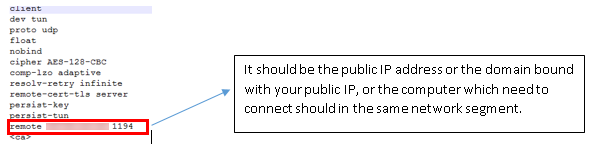
    2- Analyze the settings on your computer and your router. You have to be sure that the WAN IP address is public or that the IP address to connect must be on the same network. As you export the configuration file, you can open it as txt, and recheck the IP address and port are correct or not.

    configuring public IP address

    How to fix OpenVPN errors on Windows

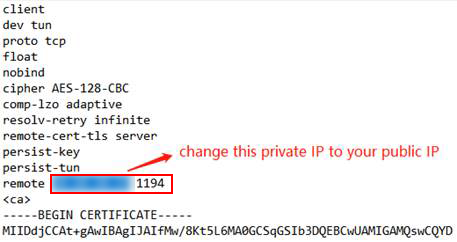
    3- If there is a NAT router in front of the VPN server, note that you have done port forwarding. Then, do the update manually to the “remote IP address” in the previously exported .ovpn file. Change the previous IP address to the network’s public IP address:

    change private Ip address for OpenVPN -  fix OpenVPN errors on Windows

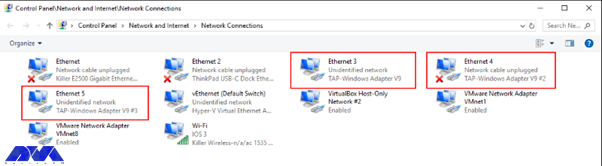
    4- Then, choose to activate the TAP adapter:

    activate TAP adapter for OpenVPN -  fix OpenVPN errors on Windows

    5- You should close the firewall and security software.

    The Error of Your Session Has Expired, Please Reauthenticate

    As you use a server-locked or user-locked profile, the OpenVPN Access Server works with a session token-based authentication system. Then after successful authentication, you will take a session token instead. You will be identified by the session token now. The session token is set to expire after 5 minutes of inactivity when it is not connected to the server, and will also expire after 24 hours by default. Also when the token is generated on the server, it will be locked to the VPN client’s connecting IP address.

    Solution:

    This action can be disabled and the timeout for the total session duration can be set. So, you should either employ an auto-login type profile or raise the session token duration.
    The Error of User Account Suspended or User Is in Deny List

    This error will occur for two reasons:

    1- In the User Permissions table, the deny access box is activated with a check mark for the user.

    2- The box of The user is authenticating with an external system because the User Permissions Required for VPN Access record box is checked, then the user’s permissions table does not exist or does not match the username of the external system.

    Solution:

    When you want to solve the deny access box:

    Enter the admin web UI, click on User Management, then go to User Permissions.

    You should click on Deny Access and remove the check mark for the username.

    Save the setting and update your running server.

    If you want to solve the issue with the required user permissions record for the VPN access box:

    Go to the user permissions table and add the user if it doesn’t exist.

    You should be sensitive about the spelling and case match between the access server and the authentication server.

    As you see the required user permissions record for the VPN access option, uncheck the box in the user permission table.

    The Error of Open Tap Device “” PATH=”” FAILED TUN or Can Not Acquire Tap Handle Event

    This error message will occur when the OpenVPN Connect 3.x service stops or does not start again when you sign back into the computer. The cause of this problem is an antivirus program. Mostly, this happens for ESET Antivirus.

    Solution:

    To solve this problem, you can reconnect by restarting the service manually, note that the automatic connection may still encounter the problem. If you want to be sure, turn off ESET. As your problem is resolved, then you may want to open a support ticket with ESET.

    The Error of OpenVPN Connect Is not Showing on Windows 10

    As you click on the shortcut, nothing shows up. The OpenVPN Connect window is missing. As you tried to install and re-install you will still get the same error. There is no error message appearing. It’s a bit scary.

    Solution:

    The only thing to do is to delete the file called “.ovpn-connect-lockfile“. Then, go to the C:\Users\YourUserName\AppData\Local\Temp.
    Simply delete the .ovpn-connect-lockfile file and restart OpenVPN Connect. That’s it.

    Conclusion

    OpenVPN is one of the most powerful VPNs which can be used on Windows. Here, we tried to make you familiar with some of the issues and errors of using OpenVPN on Windows 10. These are some common issues with solutions. So if you encounter any of them, read this article carefully to fix OpenVPN errors on Windows and enjoy using this great VPN.

  • How to Install WordPress on DirectAdmin

    How to Install WordPress on DirectAdmin

    If you are going to install WordPress, you should know that you can do it without technical acknowledgment because it is very easy. The content below, will mention some of the advantages of WordPress and explain the installation process step by step. By reading this article, you will learn How to Install WordPress on DirectAdmin. Therefore, we suggest that you stay with us until the end.

    Some Features of WordPress

    WordPress contains lots of features and here we will mention some of them.

    _ It is easy to use: Creating a website is an easy process using WordPress. Also, you can edit this platform from everywhere. WordPress is user-friendly.

    _ It is mobile-responsive: Nowadays, users can access the internet from anywhere with their mobile phones. they can also control their websites through their mobile phone. This popular platform has Thousands of different themes. that is, they change the way the pages are displayed according to each user’s device.

    _ It is Versatile: WordPress can help you to make your brand and website stand out. It also makes it easy to share. it has a lot of plugins to assist and customize websites better and is an open-source content management system. So consider all these options, WordPress is versatile.

    Two Methods to Install WordPress on DirectAdmin

    Installing WordPress is an easy process. You can use two methods for this reason. Let’s analyze these two. We recommend that you visit our VPS server plans to install and set up WordPress on DirectAdmin and enjoy the high quality of these services.
    Installing WordPress on DirectAdmin Using Installatron

    During the installation phase of WordPress on the Directadmin, if you use the Installatron, the installation process will be very easy. Installatron is a one-click web app installer that will make all photo galleries, stores, forums, and other top programs to be installed quickly on your desired domain name. So follow the steps below to install with the help of the installatron.
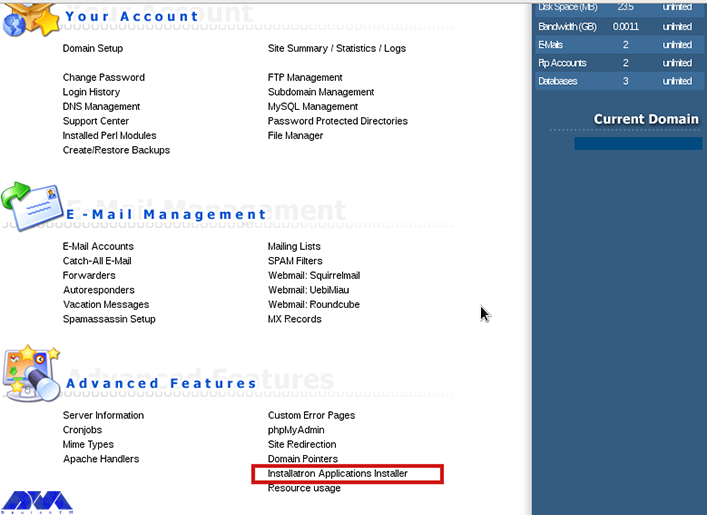
    – As the first step, log in to DirectAdmin and choose the Installatron application installer:

    Directadmin dashboard

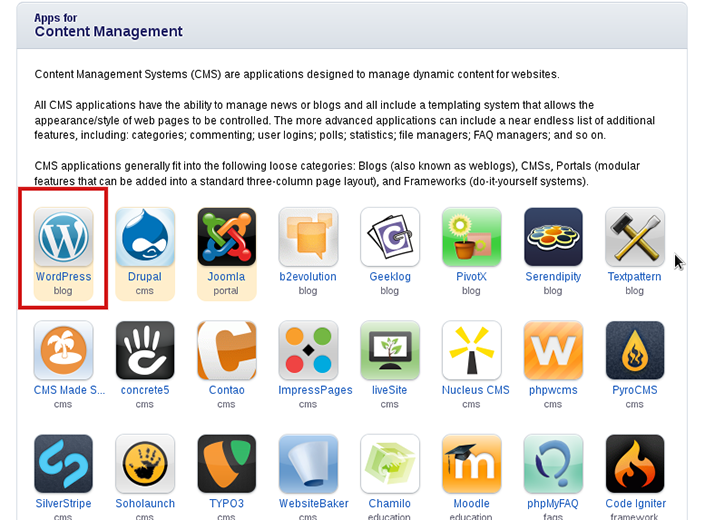
    – Here, You are able to select your desired application. The application to install in this article is WordPress. Choose and press to install:
    install wordpress on directadmin

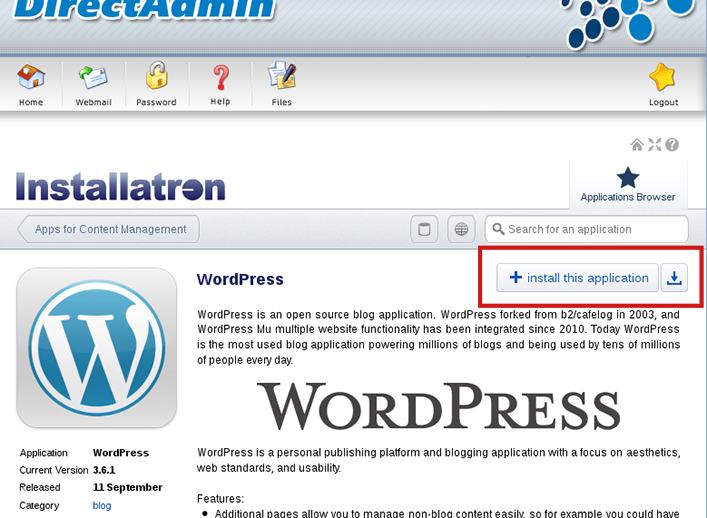
    – As you open the WordPress application, press on Install this application:

    WordPress application on Directadmin

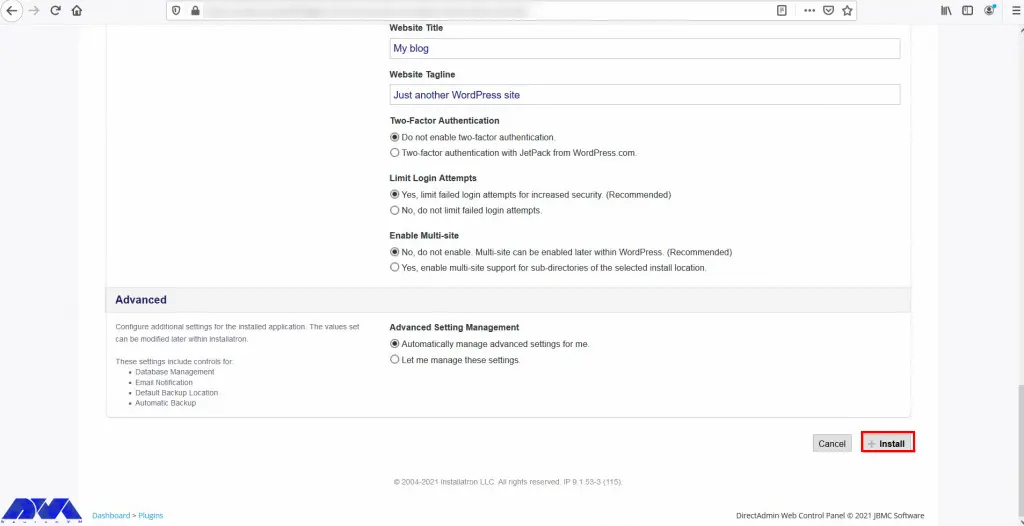
    – Then, choose your Domain and determine the directory that you want to put your WordPress file in. Click on the Install button:

    install wordpress on directadmin using installatron

    ###

    install wordpress using installatron

    – Click on the Install button. you will start the installation process this way and you will be notified when it is finished:

    install on directadmin by installatron

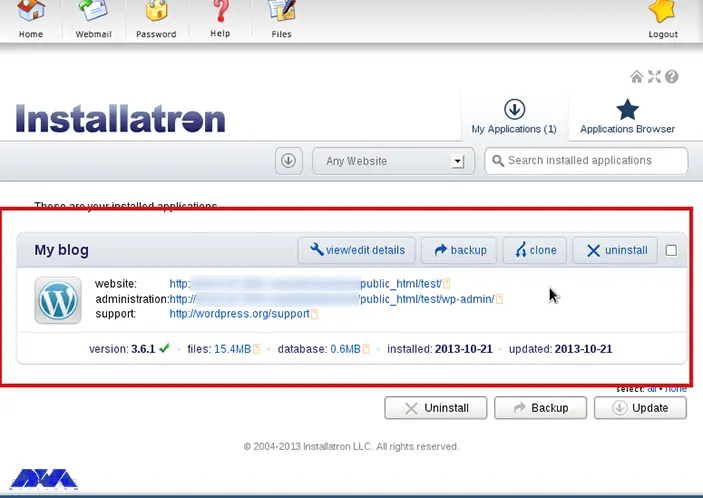
    – As you started the installation, it will take a few seconds for WordPress to install successfully. When it’s done, you can access the admin section of the WordPress site to customize.

    Installing WordPress on DirectAdmin Manually

    Here you can find the steps for installing WordPress manually:

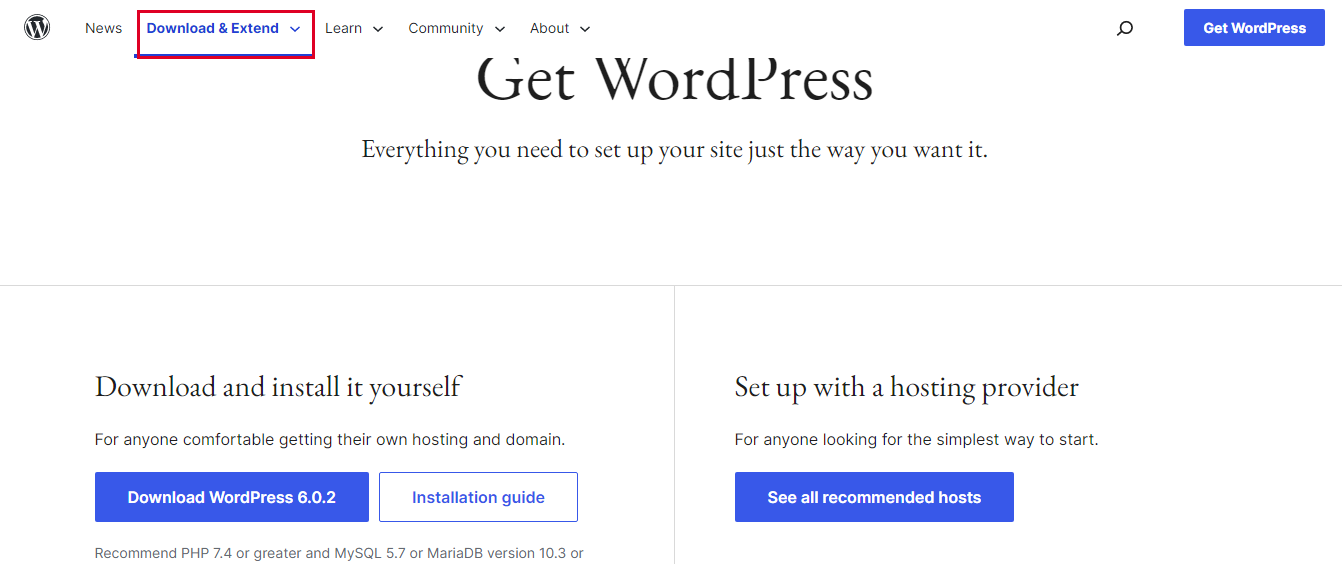
    1- First of all, download WordPress from the official website and save the .zip file in your system.

    2- Then, log in to DirectAdmin as the user.

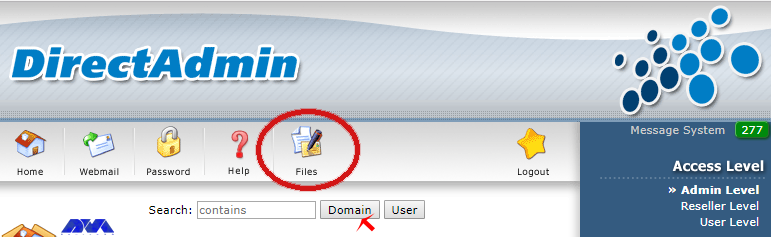
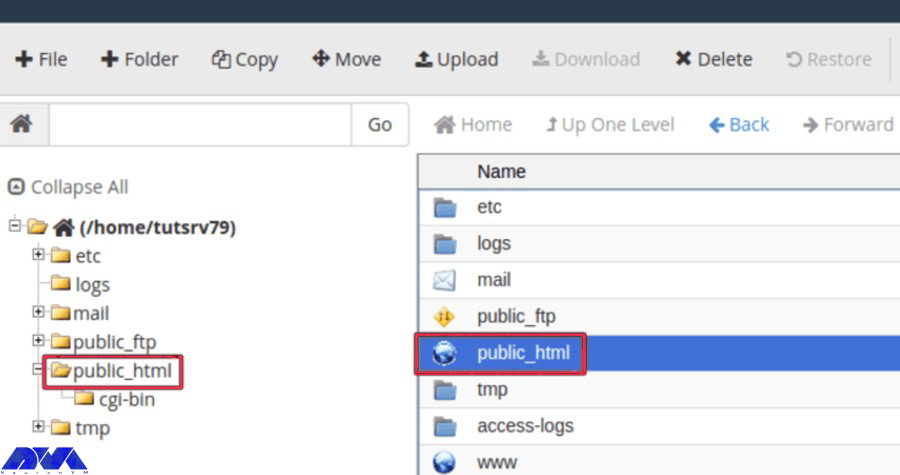
    3- Now, you will see an overview of files and folders, select the Domain in which you want to install WordPress, from the files. Here, select the public_html folder:

    add wordpress file on directadmin

    Tip: If you want to use a subdomain, click Upload Files to Current Directory.

    4- Upload the WordPress .zip file. You should select the option to Upload files to the current directory. Then, select the required file and click the option Upload Files, and click on the Click here to go back option.

    5- Extract the WordPress zip file in the pubilc_html.

    6- You have to move up the WordPress extracted file. Go to the public_html folder to see ‘WordPress-4.9.4.zip‘ (or the current version). select ‘Extract‘.

    7- There is an overview of the content which is going to be unpacked. It is recommended not to change your directory Under Directory. Click ‘Extract’ again to start unpacking.

    8- WordPress files will stop in the ‘wordpress’ folder in the .zip file. As a result, there is a new folder in your public_html folder called ‘WordPress’. So, Click to open the folder.

    9- Select ‘Select’ > ‘Add to clipboard’ > ‘../ Up a Level’ to select all files and folders on WordPress.

    10- Here is the option of ‘Move Clipboard Files here’ at the bottom right, click it. You will encounter a question of whether existing files may be overwritten. press ‘OK’, without all files, your WordPress site would not work. Delete the WordPress folder and the .zip file by checking them and pressing the ‘Delete’ option.

    You have installed WordPress successfully on your DirectAdmin control panel.

    Later, you can do the setup. Access the WordPress site via browser and enter all the required data.

    At last, provide user credentials and Install WordPress.

    Well done! you finished the installation and now you can enter WordPress.

    Conclusion

    This article helped you to learn how to install WordPress on DirectAdmin. Now you can use this content management platform and manage your website easily. WordPress with a user-friendly structure is one of the most popular assistants for users. We hope you enjoy this content. If you have any problems or ideas, just share them in the comments.

    FAQ

    Do we need FTP for WordPress?

    Yes, it will be helpful because you can use it even when there is a problem with your WordPress site.

    Is DirectAdmin better than Cpanel?

    Cpanel uses more storage and disk space than DirectAdmin. On the other hand, Cpanel contains more features and functionality. Some advanced made for DirectAdmin and it provides support for more features now.

  • Troubleshooting SQL Server Errors on Plesk

    Troubleshooting SQL Server Errors on Plesk

    Plesk is one of the popular control panels that is used a lot. This control panel supports a great database server for Windows which is called SQL. Here, we will give good guidance for troubleshooting SQL server errors on Plesk. You may encounter different problems in different steps, so in this article, we will troubleshoot SQL Server Errors on Plesk.

    What is Plesk?

    If you want to get acquainted with a practical and important tool for hosting service providers, Plesk is one of the best options. Plesk is a useful tool designed to help IT professionals manage the web, email, DNS, etc through a user-friendly GUI. This control panel acts as an intermediary between the system and users. To make it clear we will give an example. When you create a website using Plesk, Plesk submits this request to a web server, and the latter adds a new virtual host to the system.

    What is SQL Server?

    The SQL database management system is a Microsoft server and acts as a database server that stores and retrieves data as requested by other software on the same computer or a remote computer using a client-server model. Also, Microsoft provides APIs over the Internet as a web service to access SQL Server. An RDBMS does much more than fetch data for client applications. Internal functions of this server, such as buffer management, ensure that the most accessible data is available in the fastest form of storage to speed up access.

    SQL Server Errors on Plesk and their Solution

    Let’s analyze some of the SQL server errors on Plesk and troubleshoot them.

    It Is not Possible to Determine the TCP Port Number Used by SQL Server

    When you encounter this error on the database server, it means that you are unable to connect to a SQL server remotely through Microsoft SQL server management studio. It will be shown like this:

    It Is not Possible to Determine the TCP Port Number Used by SQL Server

    The cause of this problem is that the SQL server is not configured to use a static port.

    Solution:

    First, use Admin RDP to connect the Plesk server.

    Then, go through the following pass: Start / All Programs / Microsoft SQL Server XXXX / SQL Server XXXX Configuration Manager. Note that xxxx is the version of the SQL server.

    Here, you should extend SQL Server Network Configuration and then click Protocols for MSSQLSERVERXXXX.

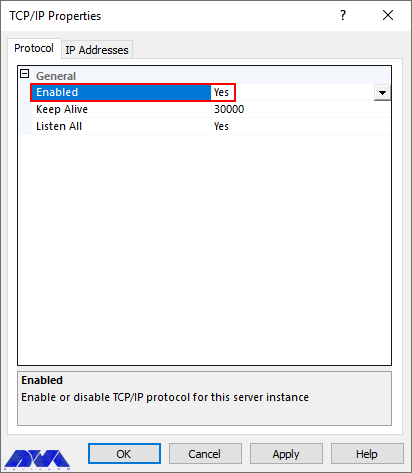
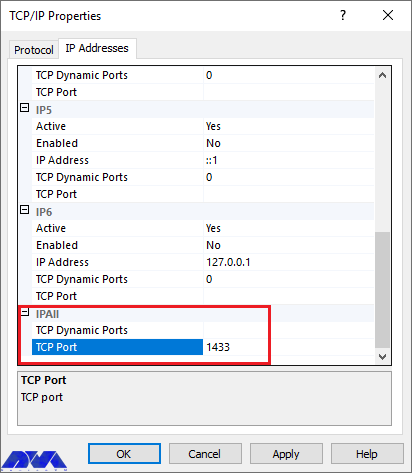
    Now, you should double-click on TCP/IP. Go to the protocol tab and check if the TCP/IP protocol is Enabled:

    RCP/IP properties on plesk

    you should refer to the IP Addresses tab and scroll down the window to the IPAll section.

    Determine the default MS SQL port number 1433 (or a custom port number if 1433 is already used) in the TCP Port field. Now click Ok:

    choose TCP dynamic port - troubleshooting SQL Server Errors on Plesk

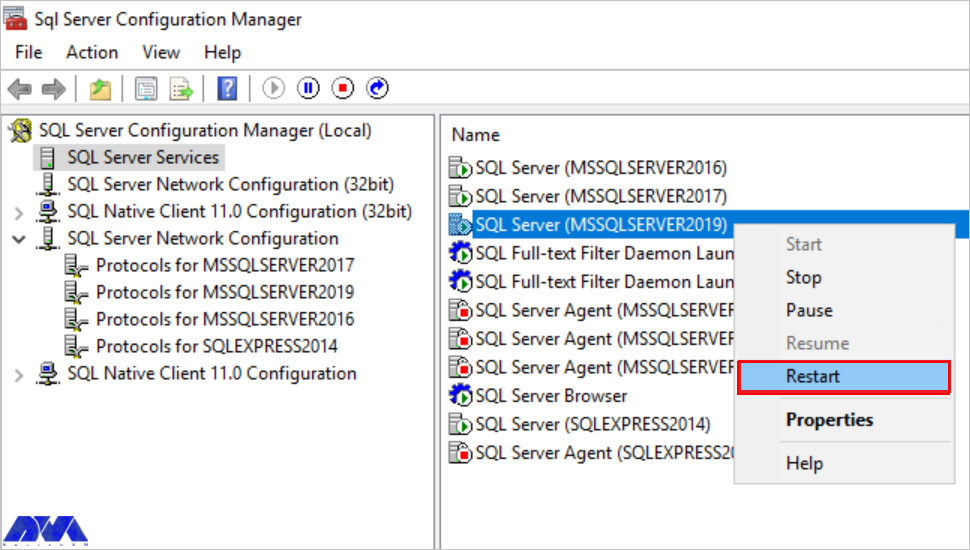
    Refer to SQL Server Configuration Manager (Local) then SQL Server Services,

    Right-click on SQL Server and press Restart to apply the changes.

    SQL server configuration manager - troubleshooting SQL Server Errors on Plesk

    Troubleshooting SQL Server Errors on Plesk

    Now you can log in to Plesk.
    The last action is referring to Tools and Settings, then Database Servers, and .\MSSQLSERVERXXXX > Settings. Now, press Ok to apply settings with Plesk.

    It Is not Possible to Import MySQL Database From .tmp file in Plesk

    The error that occurs, for this reason, is ASCII ‘\0’. It reason is that MSSQL dump restores into the MySQL database.

    Solution:

    First, enter the Plesk.

    Then refer to Domains and then Example.com and Database. Click Database to create an empty MSSQL database. Then select a MAAQL database server in the create step.

    Press the Import dump and choose the Database dump file.

    It failed to Backup or Upgrade Database on Plesk (mysqldump: unknown variable)

    The reason for this error is that, in the [mysqldump] section of the MySQL configuration file, the directive is set incorrectly.

    Solution:

    Use SSH to log in to the server and run the command below to find the MySQL configuration file.

    (ls -l /etc/my.cnf || ls -l /etc/mysql/my.cnf) 2>> /dev/null | awk {'print $NF'}

    Here, the name of the file will be /etc/my.cnf, it also can be /etc/mysql/my.cnf.

    Now, you should produce a backup for found file:

    cup -per /ets/my.conf{,.backup}

    Vi text editor can be used to open the /etc/my.cnf which was founded before.

    From the [mysqldump] section, find and delete the instruction reported during the Plesk upgrade process.

    Then, save the changes made

    At last, run the following command to restart the MySQL service:

    (systemctl restart mysql || systemctl restart mariadb || systemctl restart mysqld) 2>/dev/null

    MySQL Fails to Restart

    The error messages in the Log /var/log/mysql/error.log can be like this:

    InnoDB: Error: log file ./ib_logfile0 is of different size 0 5242880 bytes
    InnoDB: than specified in the .cnf file 0 536870912 bytes!
    [ERROR] Plugin 'InnoDB' init function returned error.
    [ERROR] Plugin 'InnoDB' registration as a STORAGE ENGINE failed.

    When you want to run MySQL check, the error will be like this:

    mysqlcheck -uadmin -pcat /etc/psa/.psa.shadow -A

    wordpress_terms
    Error : Unknown table engine 'InnoDB'
    error : Corrupt
    wordpress_usermeta
    Error : Unknown table engine 'InnoDB'
    error : Corrupt
    wordpress_users
    Error : Unknown table engine 'InnoDB'
    error : Corrupt

    As you see the following error, it shows that Plesk is not available:

    ERROR: Zend_Db_Statement_Exception: SQLSTATE[42000]: Syntax error or access violation: 1286 Unknown table engine 'InnoDB' (Pdo.php:234)

    The reason for this one is the corruption of ib_logfile0 and ib_logfile1 in InnoDB files.

    Solution:

    Use SSH to connect to Plesk.

    Then, you should stop the MySQL server with the command below:

    service mysql stop || service mariadb stop || service mysqld stop

    Use the following command and try to rename the corrupted ib_logfile files:

    mv /var/lib/mysql/ib_logfile0 /var/lib/mysql/ib_logfile0.bak
    mv /var/lib/mysql/ib_logfile1 /var/lib/mysql/ib_logfile1.bak

    Boot your server with the following command:

    service mysql start || service mariadb start || service mysqld start

    It is not possible to Clone or Backup MSSQL Database in Plesk

    The action of coping MSSQL in the following pass fails:

    Domains / example.com / Databases / example_db / Copy

    unable to copy error on plesk - troubleshooting SQL Server Errors on Plesk

    Also, you may encounter the following error after the backup process:

    Warning:domain "example.com" Unable to backup database content. Database example_db. Db server .\MSSQLSERVER2014:[Cannot open database "example_db" requested by the login. The login failed. Login failed for user 'NT AUTHORITY\SYSTEM'.]

    The reason for this error is encrypted procedures in the database which are not supported by Plesk. The bug ID PPPM-5693 may be reported because of that.

    Solution:

    Currently, the only way to avoid this is to not use encrypted procedures in MSSQL databases.

    It Is not Possible to Add Remote Microsoft SQL Server for Windows

    In this error, network problems cause the test connection to the database server to be failed.

    It is not possible to connect to an MS SQL server by telnet or other TCP clients.

    There are two reasons for this, firstly, the firewall on the MS SQL server is blocking the connection, and secondly, the remote server is not properly configured and does not accept connections.

    Solution:

    The remote SQL server should accept connections from non-local clients.

    You must either disable Windows Firewall or configure it to accept connections to SQL Server.

    If the problem persists, contact your SQL administrator to clarify access and configuration restrictions.

    There is no Import Dump and Export Dump Buttons in Plesk

    The reason for this problem is that the database server with the hostname or IP set has behaved like a remote server by Plesk.
    You have not configured remote backup settings.

    Solution:

    Enter Plesk and go through one of the solutions:

    Use the localhost hostname to reconnect the database server instead of the server hostname in the Hostname field.
    you can configure Remote backup settings for the existing database server.

    It Is not Possible to Create a Backup from PostgreSQL Database

    This problem will occur because of the Plesk bug with ID PPPM-5078. But it can be fixed in the future.

    Solution:

    Use SSH to enter the server.

    Then try to create a backup for /etc/psa/psa.conf file:

    cp -a /etc/psa/psa.conf{,.back}

    If you want to point Plesk to the new PostgreSQL database server, you should edit the /etc/psa/psa.conf/. The lines which should be changed are shown below:

    PGSYAL_DATA_D /var/lib/pgsyal/data
    PGSYAL_TSONF_D /var/lib/pgsyal/data
    PGSYAL_BIN_D /usr/bin

    or

    PGSQL_DATA_D /var/lib/pgsql/9.5/data
    PGSQL_CONF_D /var/lib/pgsql/9.5/data
    PGSQL_BIN_D /usr/pgsql-9.5/bin

    Conclusion

    You may encounter different problems when you try to connect the SQL server on Plesk. This article is prepared to show you troubleshooting SQL Server Errors on Plesk and gives practical solutions for these problems. We hope this content is useful for you. If you have any other questions or you encountered another problem in this field please share in a comment.

    FAQ

    Can we use an SQL server free for commercial use?

    You can use SQL Express for free. It is reliable for any small business.

    Is it possible to use an SQL server without a license?

    No, you should license every physical operating system environment that is running SQL server software.

  • How to Install and Configure CDN on a Dedicated Server

    How to Install and Configure CDN on a Dedicated Server

    CDN or Content Delivery Network, is a network used by sites and programs to increase the loading speed of static elements. The way to do this is that the files are cached in CDN servers located in different areas around the world, and the CDN sends a request, then the user receives it from the nearest server. To learn how to install and configure CDN on a Dedicated Server, follow this article to the end.

    Advantages of Using CDN

    The benefit of using CDN is that it helps you ensure your content is delivered as quickly as possible. Some of these CDNs are located in most locations, and I transmit the desired content to your user from the nearest device. If the target company is Google or Facebook, it is good, but if you have a blog, a simple server will be enough for you.

    Install and Configure CDN on Dedicated Server

    Here, you can follow the needed instructions to build your own CDN. Before starting the Configure CDN on Dedicated Server steps, you need to buy a dedicated server. We recommend you choose a plan from the cheap dedicated server plans offered by our website.

    Prerequisites

    These are the requirements before installing CDN on a dedicated server:

    – A domain or subdomain name

    – At least two servers in different regions

    – GeoDNS tool and a user to send requests to the domain

    How to Setup CDN on a Dedicated Server

    As the first step, you should register a domain name or subdomain. This process is very easy, you should just register it on any domain zone you prefer. You should rent servers in regions and countries where the target audiences are located. If your project is international, it is an easy process to select from hosting providers for a dedicated server. We selected three virtual servers from different locations. Here are the servers:

    – Frankfurt, Chicago, and Singapore

    Configure GeoCDN

    You need a DNS server with GeoDNS functionality to ensure that clients are directing to the right servers after sending a request to our domain or subdomain.
    Now let’s examine how GeoDNS works:
    – You must get the client’s IP or the requested DNS server’s IP. These recursive servers are usually the internet provider’s DNS.
    – GeoDNS identifies a customer’s IP, country, or region. You must also have the GeoIP database.
    – GeoDNS selects the IP address from the nearest CDN depending on the client’s location.

    You can build a DNS server with GeoDNS functionality yourself. But we recommended using ready-made solutions. These solutions are: Cloudflare, Zilore, Amazon, and ClouDNS

    It can be said that all DNS services have a functional feature called DNS failover, which can configure activity monitoring so that if a server fails, the system will continue to operate automatically.

    Note that here we will use ClouDNS for our CDN.

    In the profile section, first, add a DNS zone and specify the domain name. If you use a subdomain don’t forget to add existing DNS records after adding the zone.
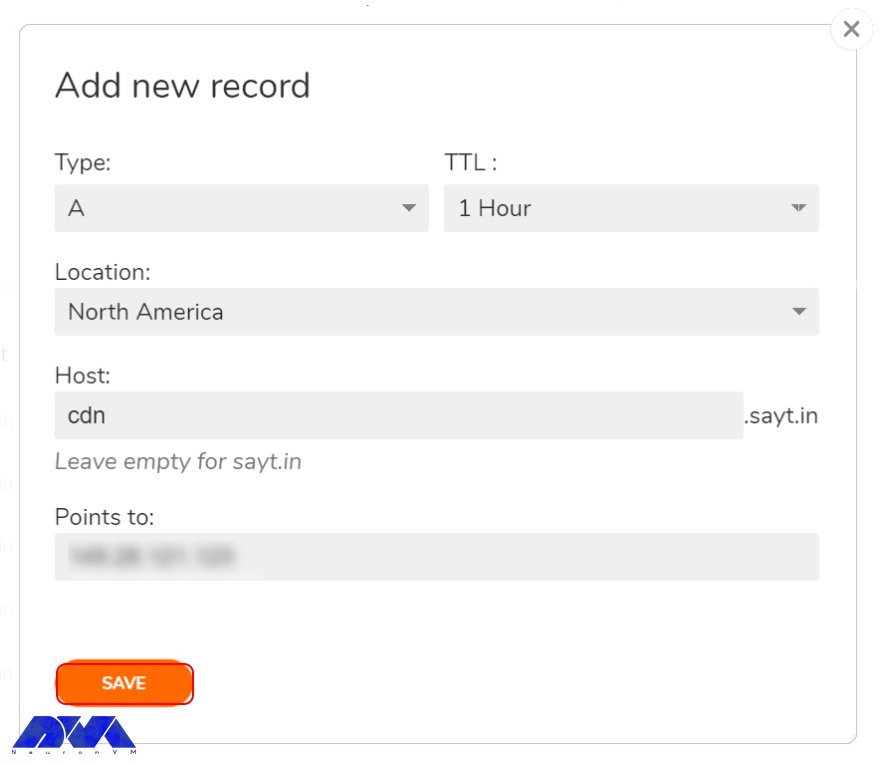
    Then, it’s time to create an A record for the domain or subdomain, each for the specified region. You can choose continents and countries.
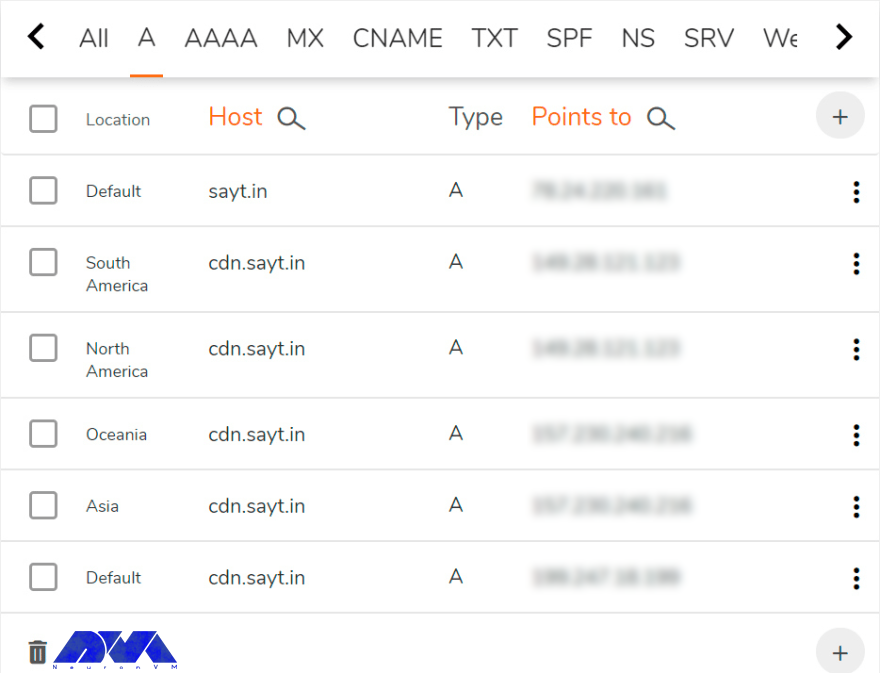
    In the example we provide, the CDN is activating on the cdn.sayt.in domain. After adding the saty.in zone, create the first record a and redirect the NV clients to the selected server i.e. Chicago:

    add new record for CDN

    You should repeat the step to other regions. You should also create a record for the default zones. The final result is as follows:

    create a record for default zone

    As you can see, requests from unspecified regions from Europe, Africa, satellite Internet users, etc. in the last record should be directed to the Frankfurt server.

    And this completes the initial DNS configuration. All that remains is to visit the registrar’s website. Now replace the current name servers with the ones provided by ClouDNS. While updating these servers, we adjust the servers.

    Install SSL Certificate

    Here, the CDN works with HTTPS. So if you have already provided SSL certificates for the domain or subdomain, upload them to all servers, for example, in the /etc/ssl/yourdomain/ directory.

    If you don’t have a certificate, you can get one for free from Let’s Encrypt. We should mention that the ACME Shell script is a good option that has a user-friendly client and allows you to validate a domain or subdomain via DNS using the ClouDNS API.

    We install acme.sh on only one server – the European server (123.456.**.***), and through it, the certificates are copy to all the others. Now, you should run the command below to install:

    wget -O - https://get.acme.sh | bash; source ~/.bashrc

    During the installation process, a CRON task is creating to automatically update the certificates.

    Then, after the certificate is issued, domain verification is done by DNS with the help of API, in the next step, in the ClouDNS profile, in the Reseller API section, create a new API user and choose a password for it. Then, paste the obtained auth-id along with the password into the following file: ~/.acme.sh/dnsapi/dns_cloudns.sh (note not to be confused with dns_clouddns.sh). In this section, there are lines that you need to remove and edit:

    CLOUDNS_AUTH_ID=
    CLOUDNS_AUTH_PASSWORD=""

    Now, we need to request SSL certificate permission for cdn.sayt.in:

    acme.sh --issue --dns dns_cloudns -d cdn.sayt.in --reloadcmd "service nginx reload"

    If needed in the future, you can set the command to restart the automatic configuration in the parameters, after each certificate renewal.

    The process of getting the certificate may take up to a few minutes, so don’t stop it. If you encountered a domain validation error, run the command again. As a result, you will find out where the certificates were downloaded from:

    certificate location for CDN

    Since we need to specify the paths when copying the certificates to other servers, you must remember them and specify them in the server settings. Ignore the error that appears when reloading the Nginx configuration.

    In setting up the SSL certificate, the only task is to copy it to the other two servers that store the certificate paths. Now create the same directories on each server and copy the certificate files:

    mkdir -p /root/.acme.sh/cdn.sayt.in/
    scp -r root@Your_IP_Address:/root/.acme.sh/cdn.sayt.in/* /root/.acme.sh/cdn.sayt.in/

    In order to automatically renew the certificate, you need to create a daily jobCRON on both servers. The following command shows how to do this and add to CRON jobs:

    scp -r root@Your_IP_Address:/root/.acme.sh/cdn.sayt.in/* /root/.acme.sh/cdn.sayt.in/ && service nginx reload

    Note that you need the key to be able to access the main server remotely without entering a password. So you must create it.

    Install and Configure Nginx

    We will use Nginx to deliver static content. To do this, update the list of packages and then install them on all three servers:

    apt update
    apt install nginx

    Now, use the following command instead of the default configuration:

    nginx.conf
    user www-data;
    worker_processes auto;
    pid /run/nginx.pid;
    events {
    worker_connections 4096;
    multi_accept on;
    }
    http {
    sendfile on;
    tcp_nopush on;
    tcp_nodelay on;
    types_hash_max_size 2048;
    include /etc/nginx/mime.types;
    default_type application/octet-stream;
    
    access_log off;
    error_log /var/log/nginx/error.log;
    
    gzip on;
    gzip_disable "msie6";
    gzip_comp_level 6;
    gzip_proxied any;
    gzip_vary on;
    gzip_types text/plain application/javascript text/javascript text/css application/json application/xml text/xml application/rss+xml;
    gunzip on;            
    
    proxy_temp_path    /var/cache/tmp;
    proxy_cache_path   /var/cache/cdn levels=1:2 keys_zone=cdn:64m max_size=20g inactive=7d;
    proxy_cache_bypass $http_x_update;
    server {
    listen 443 ssl;
    server_name cdn.sayt.in;
    ssl_certificate /root/.acme.sh/cdn.sayt.in/cdn.sayt.in.cer;
    ssl_certificate_key /root/.acme.sh/cdn.sayt.in/cdn.sayt.in.key;
    location / {
    proxy_cache cdn;
    proxy_cache_key $uri$is_args$args;
    proxy_cache_valid 90d;
    proxy_pass https://sayt.in;

    Then, in the config file, you should edit these parts:

    – SSL_certificate and ssl_certificate_key
    – Max_size
    – Inactive
    – Proxy_cache_valid
    – Proxy_pass

    As you can see, it is a simple process. Configuring the retention time is the only issue, given the similarities between the inactive and proxy_cache_valid parameters.

    If the request is not repeating within 7 days, the data will delete from the cache.
    If the request is repeated even just once in 7 days, the cache will be considered obsolete after 90 days and Nginx will update it from the main server when the next request is made.

    By using the command below you can reload the configuration:

    service nginx reload

    Congratulations! CDN is ready to use.

    Conclusion

    Loading speed of the static element is an important issue for sites and Content Delivery Network is an effective network in this field. Here, we tried to introduce CDN and show how you can install it on a dedicated server. You can use different providers, but we preferred well-known Cloudflare CDN. We hope this article was helpful to you. We would be pleased if you share it with someone interested.

    FAQ

    Is CDN faster than the local one?

    Of course, content delivery networks deliver faster loading speeds for readers. Also, they can store content in different formats.

    Does Netflix use CDN?

    Yes, it does. It can handle hardware failure more effectively.


  • Troubleshooting MariaDB Errors on Cpanel

    Troubleshooting MariaDB Errors on Cpanel

    This article has been presented to show some of the common Mariadb problems which you may encounter while using that on Cpanel. This management tool was created as a software fork of MySQL by developers who played key roles in building the original database. So let’s troubleshooting MariaDB errors on Cpanel.

    What is MariaDB?

    The MariaDB database was created for relational database management and is used for purposes such as data warehousing, e-commerce, reporting applications, and enterprise-level features. You can do all your work with MariaDB. This tool works on cloud databases, both large and small.

    MariaDB Errors on Cpanel Control Panel

    Before we start troubleshooting MariaDB errors on Cpanel, we recommend that you use our Linux VPS servers to host your website. Here, we will show you some common errors in the MariaDB management tool and will provide proper solutions for them. So keep tracking.

    MariaDB can not be installed

    This error will occur when you use cpanel to update from MySQL to MariaDB. The error would be like this:

    The preinstall check failed. MariaDB cannot be installed. at /usr/local/cpanel/Cpanel/Yum/Install.pm line 470.

    This problem can be caused by problems during the yum process. These errors in the Yum output can cause the upgrade process to fail. So what you need to do is manually enter yum using ssh or a terminal and check for such errors. [Errno 14] PYCURL ERROR 22 – “The requested URL returned an error: 404 Not Found”

    This problem should solve based on the error provided by Yum. One of the specific repository errors may be as follows:

    [Errno 14] PYCURL ERROR 22 - "The requested URL returned error: 404 Not Found"

    Solution: In this case, you need to solve the problem of the repository or disable it. So run the following command to disable it and replace the repository name with $repositoryname:

    yum-config-manager --disable $repositoryname

    If you want to change “enabled=1” to “enabled=0”, you can edit the repository file in /etc/yum.repos.d folder. Then as soon as yum is fixed, you can upgrade Cpanel and WHM again.

    Unsuccessful MySQL or MariaDB Installation During The Upgrade

    One of the reasons for the failure of the MariaDB upgrade process can be the removal of the MariaDB or MySQL packages in the /etc/yum.conf file.

    Solution: You can remove the entries from the exclude section of the /etc/yum.conf directory, these entries are the Cpanel server defaults.

    exclude=courier* dovecot* exim* filesystem httpd* mod_ssl* mydns* nsd* p0f php* proftpd* pure-ftpd* spamassassin*

    We never recommend you exclude the packages using /etc/yum.conf file, because Cpanel manages MySQL and MariaDB versions.

    The error of Invalid Grant String: Set Default Role 0

    Updating MariaDB to version 10.2.35 may cause errors when migrating accounts via migration tool or backup restores. Also, this update causes problems in sites with older PHP versions and causes problems in the Cpanel user interface with the MySQL database.

    A similar error for transfers and restore can be like this:

    The "Mysql" restore module failed because of an error: Invalid grant string: SET DEFAULT ROLE 0 FOR 'testuser'@'10.1.1.3'

    Solution: AUTOFIXER has been released since 2020 to address this error. So next time nightly repairs will be done automatically. So, if you encounter such problems, you can use the automatic Autofixer script to run as root:

    /scripts/autorepair fix_mariadb_show_grants_roles

    If it doesn’t work, please try to restart the SQL service.

    Users who have done the previous solution related to downgrading MariaDB. Be sure to open MariaDB to ensure that the appropriate updates are received:

    yum versionlock clear404

    Then run

    /scripts/upcp

    MariaDB Crashing Error

    The latest Mariadb update caused this database to crash when starting with WHM and Cpanel servers.

    mariaDB crash error - troubleshooting MariaDB errors on Cpanel

    The website may crash when running the following versions of MariaDB:

    10.1.42
    10.2.28
    10.4.9
    10.3.19

    Then you will see the following error on the startup of your system:

    InnoDB: Failing assertion:table->can_be_evicted

    You can manually downgrade MariaDB usage of WHM and Cpanel While MariaDB is working on your problem itself. Use the command below:

    yum downgrade MariaDB-server MariaDB-common MariaDB-shared MariaDB-client MariaDB-compat MariaDB-devel

    Note that this solution is temporary.

    Conclusion

    This content was prepared to show some important issues about troubleshooting MariaDB errors on Cpanel. MariaDB is an open-source useful database. Facebook, Wikipedia, Google, and so on are among the users of this database. We hope you enjoy the article. If you have any questions or ideas, please leave a comment.

  • Troubleshooting Joomla Errors on DirectAdmin

    Troubleshooting Joomla Errors on DirectAdmin

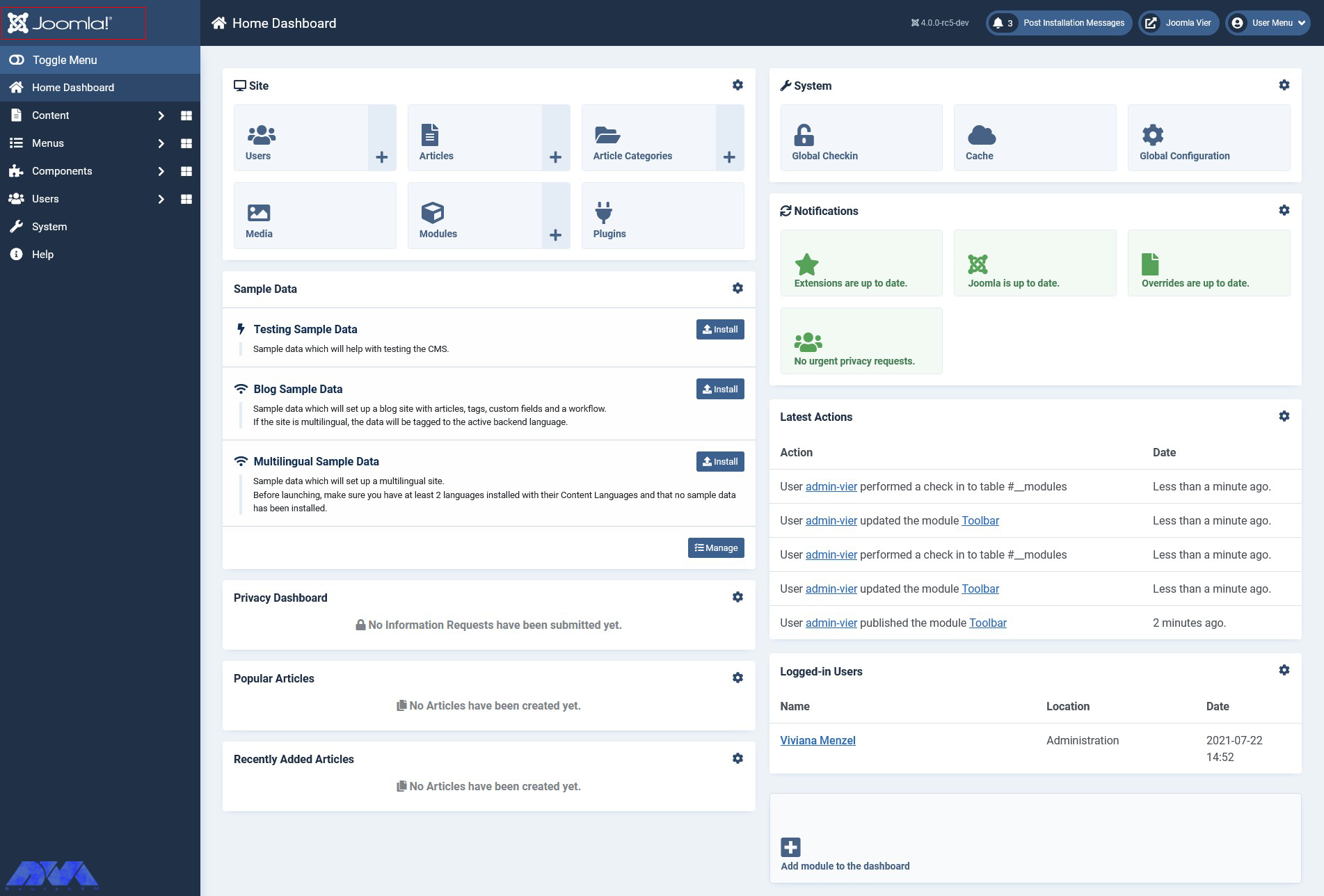
    Joomla is an easy-to-use content management system. This software is based on the Internet. By implementing this system on your host you will be able to store files, text, and display images in an organized way. Here, we will analyze various issues and problems of Joomla and try to give a solution for each of them, so study the article on troubleshooting Joomla errors on DirectAdmin carefully if you encounter any of these problems.

    What is Joomla?

    Joomla is an old site builder based on PHP, which is very popular, and the main reason for its popularity is its easy installation with a few clicks. That means you can program your website without any technical knowledge. Also, website designers and internet users prefer Joomla for website design. Because it is a free content management system and has a beautiful GUI that is easy to develop.

    troubleshooting Joomla errors on DirectAdmin

    Troubleshoot Joomla Errors on DirectAdmin

    As you decided to install Joomla to build your site and work, you may encounter different problems and errors. Here, we will introduce and analyze some of them.

    ERR_Content_Decoding_Failor

    When you want to enable the cache plugin in Joomla 3.x, you may encounter the error ERR_CONTENT_DECODING_FAILED and stop rendering the page. The cause of this problem is that the cache plugin doesn’t properly support Gzip compression. Even if you enable it by the server.

    Solution: You can disable Jzip-compression:

    Go to System -> Configuration -> Server and GZIP-Compression to No

    Tip: If you are unable to access the website’s backend anymore, you can find this setting in the /configuration.php file. The option can be set like this:

    public $gzip = '0';

    Could Not Create Directory Error

    Three reasons may cause these problems:

    1- There is no tmp directory or it is not located correctly in the configuration.php file.

    2- The tmp directory is located but Joomla is not allowed to write to it.

    3- Joomla is not allowed to write to one of the following:

    directories: /administrator/components, /administrator/modules, /administrator/templates, /components, /modules, /plugins, /templates.

    The last one is very common and usually happens when there is a problem with Joomla’s hosting environment.

    Solution 1: You can create the tempt directory if it doesn’t excite and give Joomla the proper permissions to write to it, there is a quick and dirty solution that is effective but will render your website completely insecure. Chmod the following directories to 777 through the FTP client:

    /administrator
    /administrator/components
    /administrator/modules
    /administrator/templates
    /components
    /logs (not necessary to solve this problem but if Joomla has write permissions across the board then doing this will ensure that you don’t have a problem elsewhere on your website)
    /modules
    /plugins
    /templates
    /tmp

    This is a temporary solution.

    Solution 2: There is another solution but it is the best one and requires that you have FTP access to the website. Using the following commands, Apache can create files or folders in the server’s file system. Follow the instructions below:

    – Use the Cpanel file manager to zip the Joomla website and name the resulting website joomlawebsitebackup.zip. The resulting file should be pressed into the main folder of the website.

    – You should add 1_ to top-level folders and files in Joomla. That is, to remain the folder administrator to 1_ administrator and index.php to 1_index.php.

    – you should create an unzip.php file with the following codes:

    open('joomlawebsitebackup.zip'); if ($isZipOpen === true ) { $objZip->extractTo('/home/[yourcpanelusername]/public_html/'); $objZip->close(); echo "unzipping finished"; }other { echo "unzip failed"; } ?>

    Go to yourjoomlawebsite.com/unzip.php. and run unzip.php on your browser. Then you will see the message contain telling you the PHP script has been unzipped.

    Now test your website. When you became sure about the proper functionality, delete all folders and files that start with _1. once you are done, do another test, to make sure everything is correct.

    Allowed Memory Size Exhausted

    Joomla is a type of CMS that provides a high percentage of memory and sometimes a lot of memory is needed to process a page especially if the page has a lot of third-party extensions. So when a client tries to run an extension, encounters an error about “Allowed Memory size”

    Solution:

    You should increase the PHP memory limit. You can increase the memory limitation in 4 different ways:

    1- Increase the PHP memory limit at several levels: It can be done if your website is running on just a dedicated server or VPS. To do this, visit our website for cheap dedicated server plans.

    2- Increase the PHP memory limit at the application level: It can be done by making a copy of the global php.ini

    3- Increase the PHP memory limit at the .htaccess level: add the below line for this reason to the beginning of .htaccess file:

    php_value memory_limit 512M

    4- Increase the PHP memory limit at the code level: Add the following line to the beginning of your index.php:

    ini_set('memory_limit', '512M');

    Site User Rename Error

    This error will occur when you want to rename the username of the Joomla site and change the change_username.sh. So as a result, you will discover that Joomla hardcoded paths, especially username and as I turned back to the old username, Joomla says that it failed to connect to the database.

    Solution: This problem can be dependent on the number of characters in the username. While this number is 16 character capacity for db usernames. This amount is 14 for DA in addition, 1 for underscore, and 1 for db name. Also, DA analyzes for valid usernames and also there is a setting for that in directadmin.conf.

    For example:

    max_username_length=10

    So, if your username number is 13, as your limitation is 10, DA is going to consider it invalid and will not display it until you enhance the limitation in directadmin.conf. Keep your username below the limitation. change_username.sh script will not go through any of your PHP files. So, you have to set config paths manually.

    Moving Cpanel to DirectAdmin Error (Error 403)

    When you try to move your site from Cpanel to DirectAdmin, it is successful. But, when you try to access any page suddenly you receive a 403 error.

    Solution: The reason is that, upon extraction of the Gzipped backup which you move from Cpanel permissions of public_html changed to 750. But these permissions should be 755.

    Conclusion

    Here, we tried to make you familiar with troubleshooting Joomla errors on DirectAdmin. We divided the issues and give solutions for these problems. So read this article carefully. We hope this was a helpful article for you.

  • How to Install WordPress on Dedicated Server (2 Methods)

    How to Install WordPress on Dedicated Server (2 Methods)

    WordPress is a common and well-known content management system provided as an open-source and accessible tool. You can install WordPress on a dedicated server in different ways. Here, we will mention two practical ways to install this CMS. One of these methods is via FTP and the other is an installer provided by a web hosting service.

    2 Methods to Install WordPress on Dedicated Server

    Now follow the steps below to have a successful installation process for WordPress. We should say that installing WordPress on dedicated servers has some advantages like great speed and performance, the safety of the website and the least concern about hackers and malware, the ability to customize your website, more control over your hardware and software, and so on. We recommend that you use the cheap dedicated server plans that are available on our website to install WordPress and enjoy its speed and quality.

    1. Instant Install WordPress with Softculous

    One of the excellent and simple ways to install WordPress on your website is by making a few clicks through the Softaculous app installer. WordPress is an applicable and popular content management system and more than one million websites are powered by it. let’s see how we can install WordPress using this beautiful software.

    Install WordPress through Softaculous. Most companies will offer Cpanel when you sign up:

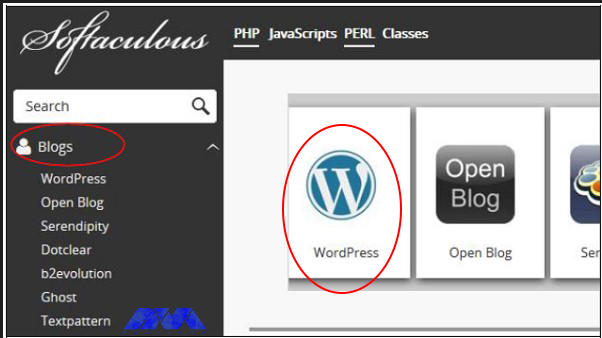
    1. click on Blogs on the left side of your menu and press WordPress:

    adding wordpress on directadmin

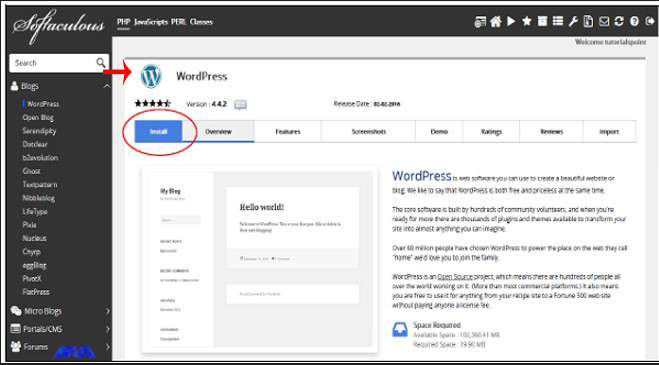
    2. Click on the Install button to start the process of installing WordPress:

    install wordpress on dedicated server

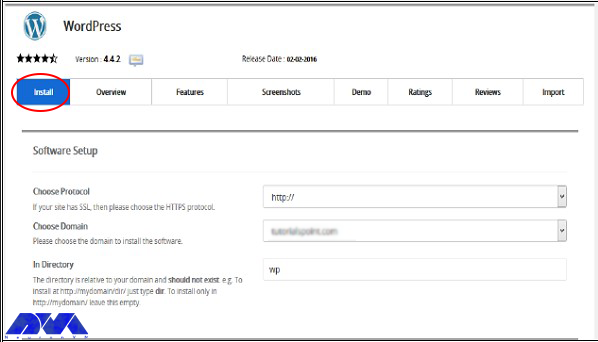
    3. Now you should do some configuration to complete the installation process:

    configuring wordpress on direct admin

    Here, you will have three options for software setup

    Protocol: You should choose the appropriate WordPress protocol. These protocols can be HTTP or HTTPS. Note that if you choose HTTPS, you should have an SSL certificate.

    Domain: Here, you can open the dropdown menu and choose any root domain or subdomain that you created.

    Directory: You can select the directory, in which you wish to install WordPress. But if you desire to install the program on the root website, leave this one empty.

    Three options for Site setting

    Site Name: create a name for your website.

    Site Description: give a short description of your website.

    Enable Multisite: As you mark this field, it will install a WordPress network installation

    Three options for Admin Account

    Username: Insert the administrator username.

    Password: Insert the administrator password here.

    Email: Put the email address on which you prefer to receive the necessary notifications.

    As the final touch, select your language for the installation and install some extra plugins, and also do the advanced settings. This part is optional.

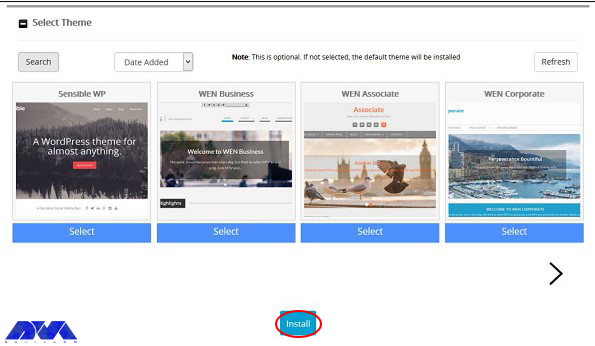
    Last, select your desired Theme and click on the Install button:

    adding theme of wordpress

    2. Install WordPress Via FTP

    This method is not necessary, cause most hosting companies will already install WordPress for your server or you can use automatic installers on your Cpanel. But if you want to install manually follow the instructions here:

    You should use an FTP application like FileZilla or SmartFtp before starting installation. Now go to the official page of WordPress and download the last version:

    Install WordPress Via FTP

    Unzip the WordPress archive and place it in your public directory which is called public_html:

    Install WordPress on dedicated server Via FTP

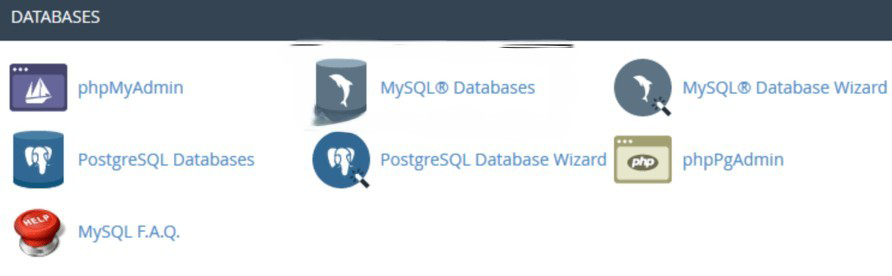
    Find the “MySQL Databases” button on your Cpanel:

    . Install WordPress Via FTP

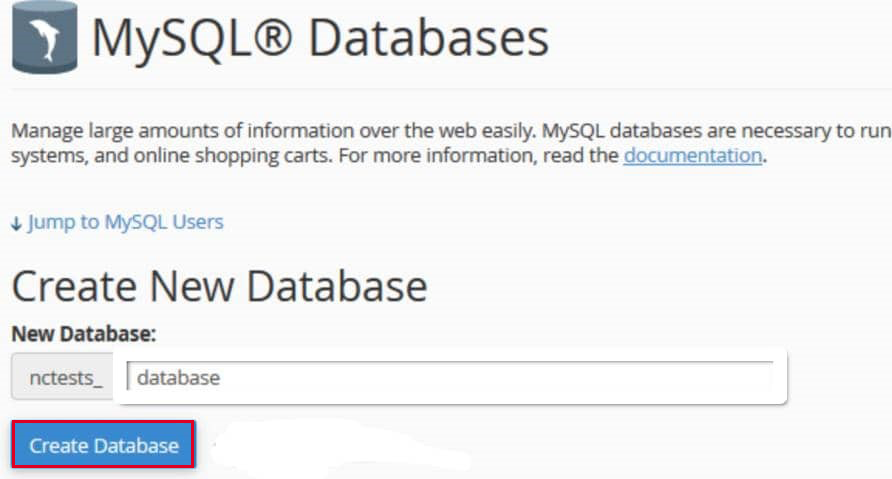
    When it is needed insert your database name and as you have finished select the “Create Database” option:

    Install WordPress Via FTP

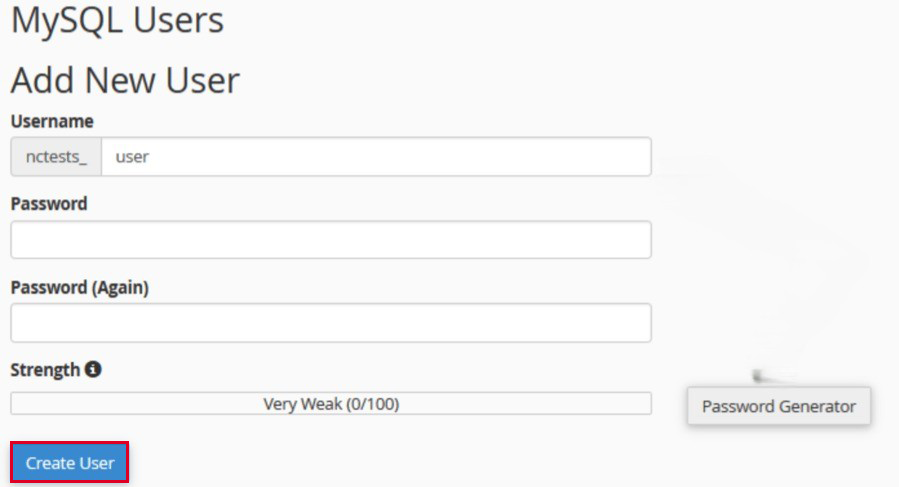
    As you created the database, it’s time to establish a “User” from the MySQL account.

    After entering the username and password, click on the “Create user” button:

    Install WordPress Via FTP

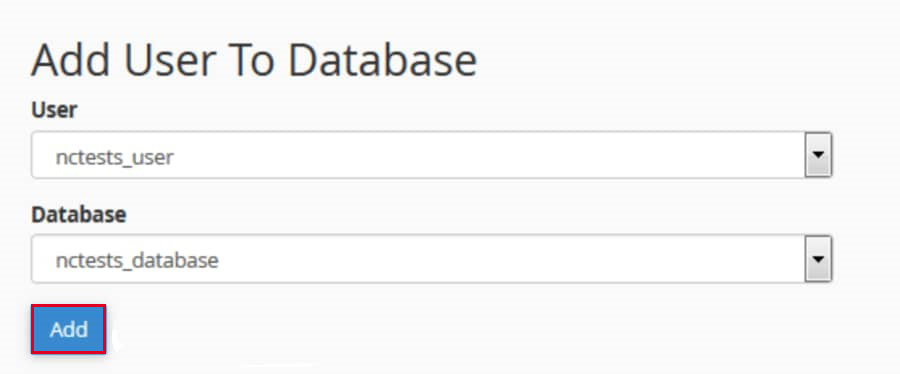
    Once you have entered the required details and the name of the database, you can allow the user to access:

    Install WordPress Via FTP

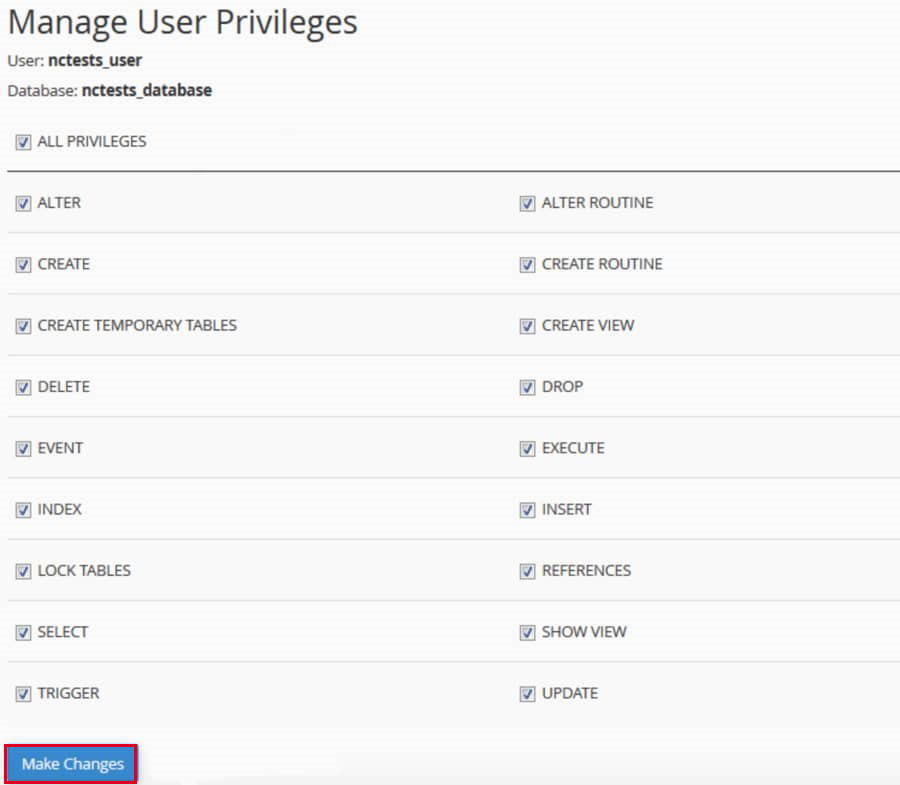
    Be sure to check all the permissions you want to grant on the page below:

    Install WordPress Via FTP

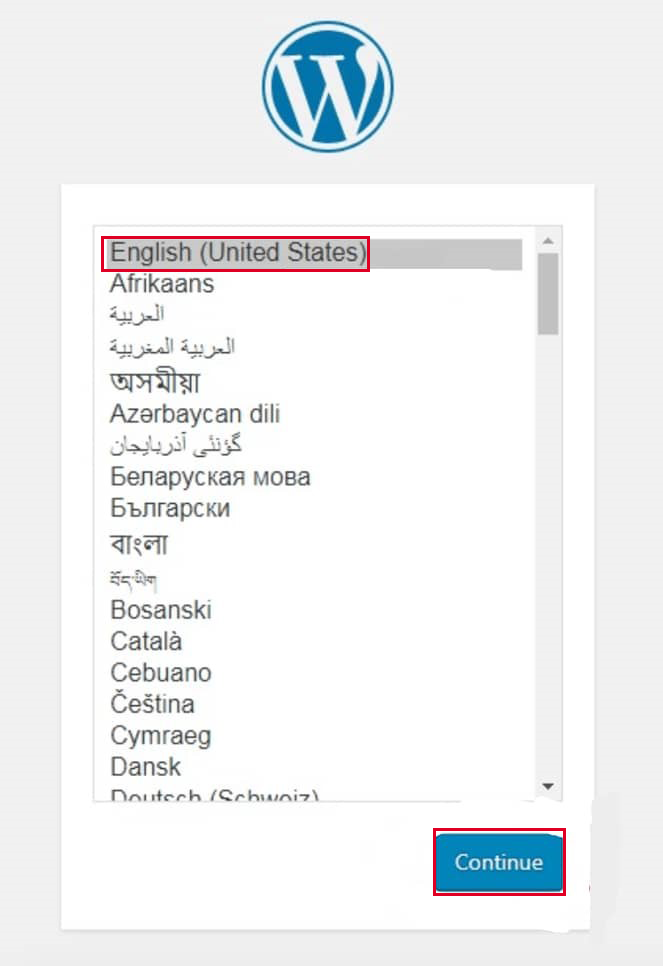
    Now you need to go to your site domain and finish the installation, so that, your FTP transfer is finished. When you visit your domain, then you will need to select your language after a successful transfer:

    Here, select your language and press Continue:

    Install WordPress Via FTP

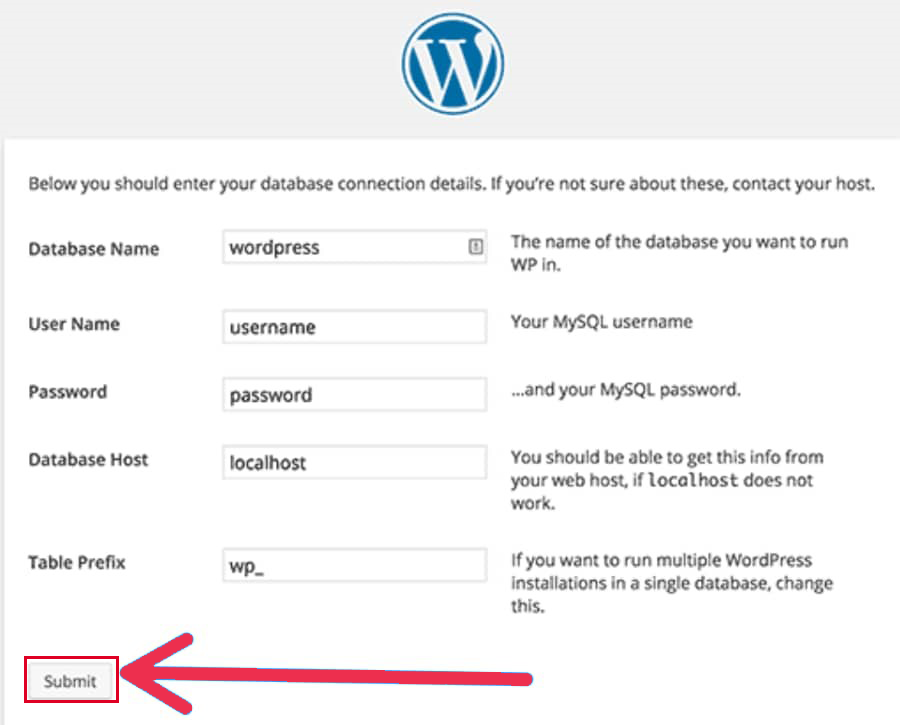
    Now, insert your database information like Name, Username, Password, Database Host, and table prefix, and once you are finished, click Submit:

    Install WordPress Via FTP

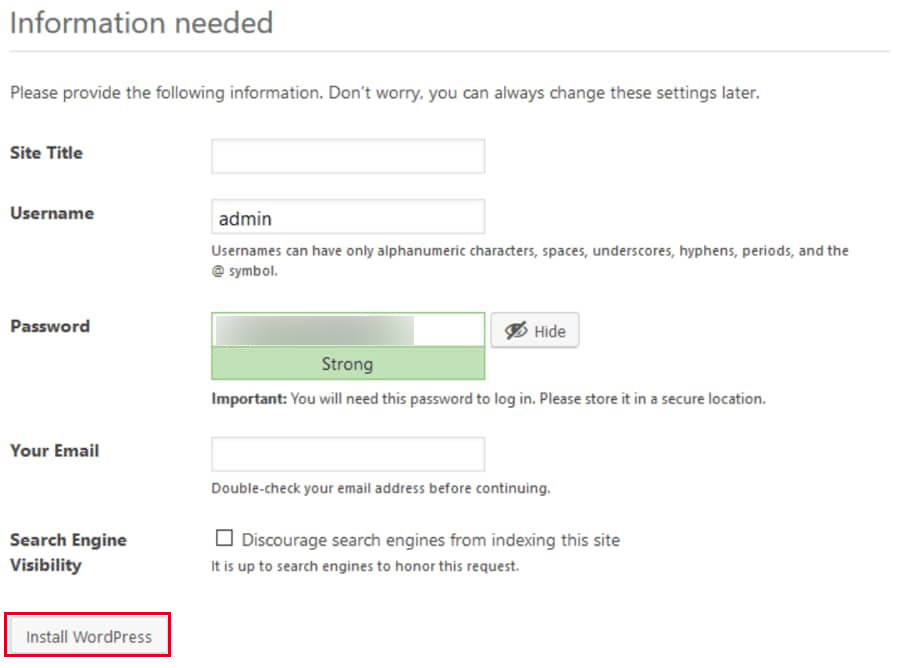
    You should select “run the install” from the menu. Then you have to insert admin information like Site Title, Username, Password, and Email:

    Install WordPress Via FTP

    In the end, click Install WordPress” and finish your task. the only thing you have to do is to enter your username and password.

    Well done! WordPress is manually installed on your server.

    Conclusion

    In this tutorial, we thought about how to install WordPress on a dedicated server. Now you can use this popular CMS and enjoy controlling your system as you wish. Hope this guide was useful for you. If you have any questions, leave a comment.

    FAQ

    Can I host WordPress on my server?

    Yes, by hosting WordPress, you can tweak caching rules and optimize your site on the server. You can have your dedicated CPU and memory.

    Is it recommended to install WordPress on a Windows-based dedicated server?

    WordPress is suitable for Linux-based dedicated servers but it is technically possible to install it on a Windows server.