
In today’s technologically advanced world, ensuring cybersecurity is of utmost importance. Firewalls play a crucial role in protecting networks and systems from potential threats. However, a common dilemma faced by organizations is whether to opt for hardware or software firewalls. This comprehensive guide will provide an in-depth analysis of both approaches. Outlining their advantages, and disadvantages, and concluding with a comparison to assist in making an informed decision.
If you are looking for a quality VPS, we suggest you use the Windows VPS plans provided on our website.
A. Hardware Firewalls
Hardware firewalls are dedicated devices that act as a barrier between an organization’s internal network and the external internet. Here are their key features:
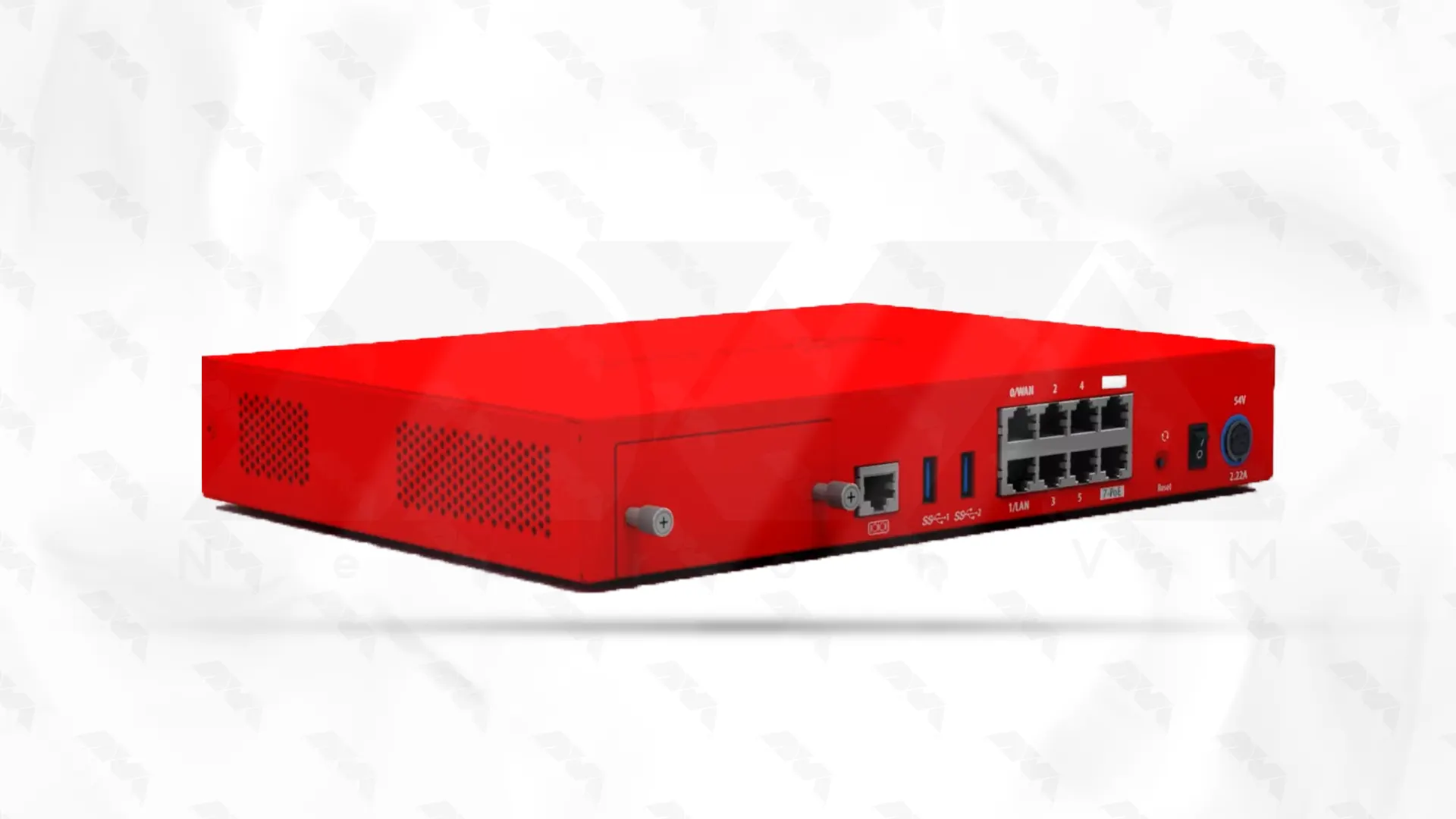
Advantages of Hardware Firewalls
– Enhanced Security: Hardware firewalls offer robust security capabilities, inspecting incoming and outgoing traffic at the network level, and protecting against various threats. Such as malware, DoS attacks, and unauthorized access.
– Ease of Management: Hardware firewalls are relatively simpler to set up and manage. They provide a centralized control point for network security, making it convenient to implement and enforce security policies across multiple devices.
– Performance: Hardware firewalls are designing to handle high volumes of network traffic. Their dedicated hardware allows for efficient packet filtering, resulting in minimal impact on network performance.
Disadvantages of Hardware Firewalls
– Cost: Hardware firewalls may require a significant initial investment, making them less affordable for small-scale organizations.
– Limited Scalability: Upgrading or expanding hardware firewalls can be challenging, especially if the network architecture undergoes changes.
– Maintenance and Updates: Often require firmware updates and periodic maintenance checks which could involve additional costs and time investment.
B. Software Firewalls
Software firewalls are applications that installing on individual devices, providing protection at the operating system or individual software level. Let’s explore their characteristics:
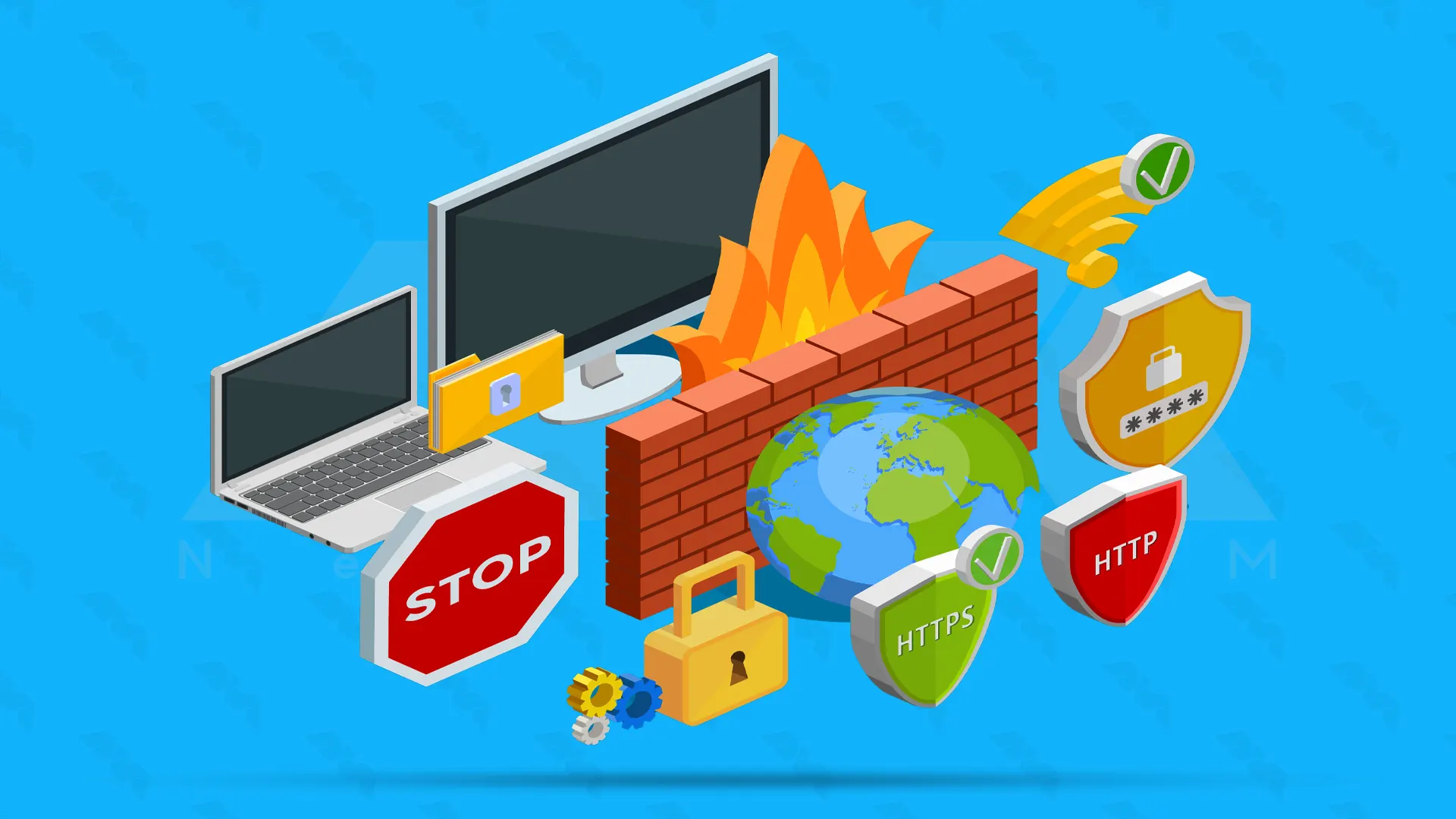
Advantages of Software Firewalls
– Cost-effectiveness: Software firewalls are generally more affordable, as they can installed on existing devices without the need for dedicated hardware.
– Flexibility and Customization: Software firewalls allow users to configure security settings based on individual needs, providing a higher degree of customization.
– Mobility: Software firewalls can protect devices on the go, making them suitable for remote workers or individuals operating outside a typical network environment.
If you intend to set up a software firewall on a dedicated server, we suggest you read How to Setup a Firewall on a Dedicated Server.
Disadvantages of Software Firewalls
– Performance Impact: As software firewalls operate on the device itself, they can potentially consume system resources and impact overall performance, especially on older or low-powered devices.
– Device-Specific Protection: Software firewalls primarily safeguard the device they are installing on, leaving the network susceptible to threats from other devices.
– Managing Multiple Instances: Organizations with numerous devices require manual installation and monitoring of software firewalls on each device, resulting in more administrative effort.
Comparison of Hardware and Software Firewalls
Here is a comparison between hardware and software firewalls:
| Aspect | Hardware Firewall | Software Firewall |
|---|---|---|
| Installation | Installed as a physical device or integrated into network devices | Installed on individual computers or servers |
| Performance | Higher performance and throughput due to dedicated hardware resources | May consume system resources and impact overall performance |
| Scalability | Can handle a higher number of simultaneous connections | Suitable for smaller networks or individual computers |
| Configuration | Configuration through a web-based interface or command line interface | Configuration through a graphical user interface |
| Cost | Higher upfront cost due to dedicated hardware | Generally lower cost as it does not require dedicated hardware |
| Maintenance | Minimal maintenance required | Software updates and maintenance required |
| Security | Offers strong network-wide protection | Protects individual computers or servers |
| Network Coverage | Protects the entire network | Limited to protecting individual devices |
Conclusion
Choosing between hardware and software firewalls depends on the specific needs and resources of an organization. Hardware firewalls provide robust security, centralized management, and better performance at the cost of initial investment. Software firewalls offer greater flexibility, customization, and cost-effectiveness, but may burden individual devices and require manual management. It is crucial to carefully weigh the advantages and disadvantages outlined in this guide while considering factors such as budget, network architecture, and scalability requirements to make an informed decision about the most suitable firewall solution for an organization’s cybersecurity needs.
Leave a Reply