Category: Tutorials

  • VPN vs RDP: Which One Offers Better Security for Your Remote Workforce?

    VPN vs RDP: Which One Offers Better Security for Your Remote Workforce?

    Since the creation of the Internet, the priority was to send packets without defects and damage, and for this reason, the Internet space is an inherently insecure space. All the programs you use on the Internet, such as e-mail, web, messaging systems, etc., are built according to global standards, but it is still not possible to talk about their security with certainty. For this reason and due to the importance of security, in this article we are going to compare VPN vs RDP. We will also tell you Which One Offers Better Security for Your Remote Workforce?

    Understanding the Risks of Remote Work

    Nowadays, remote working has become a very popular and common method all over the world. Especially now that companies are allowing their employees to do their jobs remotely. But on the other hand, the rise of remote work has created a new range of challenges for businesses that want to keep their sensitive information safe.

    Among the risks that users may face when working remotely are:

    • Email fraud and phishing
    • Cyber attacks on Remote work infrastructure
    • Increased attack levels
    • Weak passwords
    • Webcam Hacking
    • Insecure Connections
    • Lack of awareness of cyber security
    • Lack of monitoring

    As more employees work outside the traditional office environment, companies must find new ways to manage and monitor access to data. After reading this article, you can choose and buy the plan you want from the high-quality and high-speed Admin RDP plans provided on our website. You can also contact our experts if you need support.

    What is VPN and how does it work?

    A VPN or virtual private network is one of the best tools to protect your internet privacy. A VPN encrypts your connection, hides your IP address, and keeps you private while browsing the web, shopping, and banking online. While virtual private networks were once a new technology solution, they are now an essential tool.

    Using a VPN, all your data traffic is sent through an encrypted virtual tunnel. This encryption prevents hackers and profiteers from accessing your organizational information. A VPN establishes a point-to-point connection between your device and the global Internet and allows a user to access another computer from their PC using tunneling protocols. In order to protect your organization’s data and prevent information from being tracked in transit, traffic is often encrypted with network encryption protocols such as SSH or IPsec.

    what is vpn

    VPN vs RDP

    Enterprise VPNs are now used by various businesses. Encryption increases security and privacy. Encryption is a method of converting plain text into a set of unreadable codes. A key or decryptor converts codes into readable information. When you use a VPN, only your device and the VPN provider contain the decryption key, and if someone tries to spy on you, they will only see a series of characters.

    Note that instead of sending your internet traffic (eg online searches, uploads, and downloads) directly to your ISP, a VPN first routes your traffic through a VPN server. That way, when your data is finally transmitted to the Internet, it will appear to come from the VPN server, not your personal device. Without a VPN, your IP address is visible on the web. It is interesting to know that VPN as an intermediary hides your IP address by redirecting traffic.

    What is RDP and how does it work?

    Remote Desktop Protocol (RDP) is a widely used software that allows you to connect to your Windows server in another location. Using this protocol, you can connect to your Windows server, open files, and use them, just like you use your system. Finally, the RDP protocol puts your Windows system and server under your complete control remotely, so that you can use it without any problems.

    In the following, we intend to describe the use of the RDP protocol:

    • Image transfer between the user’s computer and the Windows server
    • The ability to transfer sound from a Windows server to a computer
    • Encrypt all information exchanged between you and the server
    • The ability to access all computer files inside the server using the File System Redirection system
    • Having access to the printer and any system connected to the server

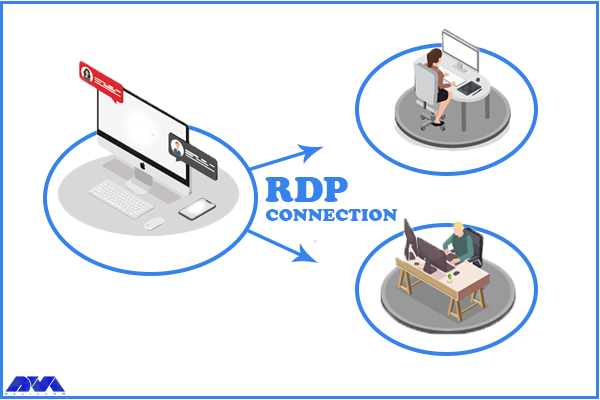
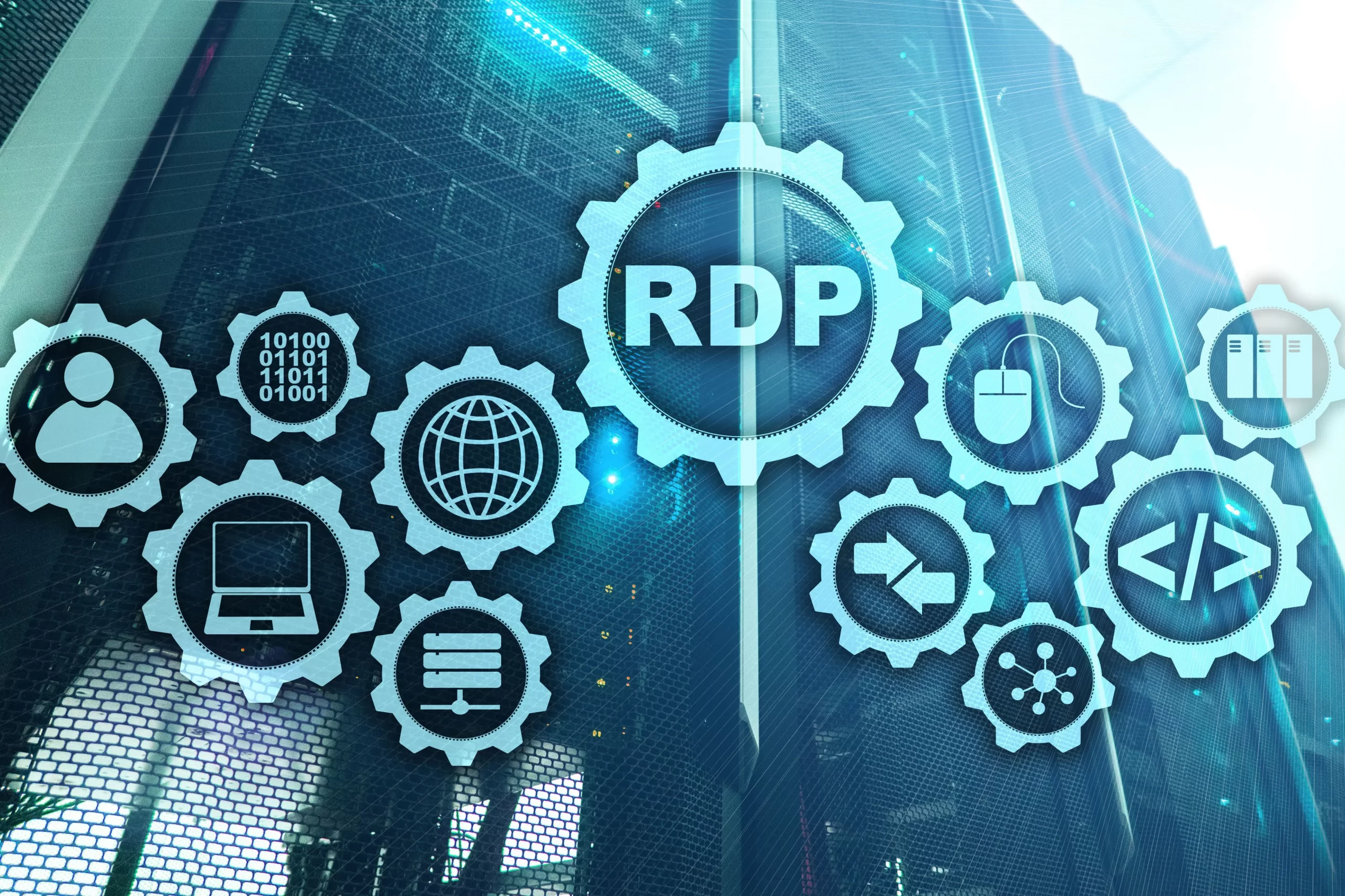
    To understand how RDP works over the internet, consider a drone. You can control your drone by pressing buttons and through radio waves. The use of multi-user remote desktop protocol (RDP) also has almost the same process; Sending your mouse movements and keyboard keys to the desired Windows server. with the difference that this work is done on the internet and not with radio waves. The Windows server desktop appears on the computer screen as if you were sitting behind the main server.
    rdp-remote-desktop-protocol

    VPN vs RDP

    A remote desktop creates a separate path between you and the RDP server over the Internet, where data is sent and received. Mouse movements, keyboard keys, server screen information, and all other required information are sent in this channel with the help of TCP/IP protocol. Also, the RDP connection encrypts all the information between the user and the server so that the user and the remote desktop can experience a secure connection.

    VPN vs RDP: Key Differences

    RDP is a service that allows you to host your website in a virtual environment, while VPN is a user-centric tool that allows you to browse various websites safely and securely. Probably the only thing that an RDP and a VPN have in common is the virtualization aspect of each service.

    RDP is a type of web hosting service. This means it gives you a personal space on the online server to keep your data safe and secure. This will help you to host your website better to get more traffic. While a VPN is a virtual private network that hides your real IP address from hackers and spammers. This makes all your data unreadable so no one can track your online activities. This significantly helps to maintain your privacy and security.

    In the rest of this article, we will discuss the key differences between RDP and VPN and examine each one thoroughly.

    Security Features of VPN

    VPNs use a variety of different protocols. Older protocols, such as PPP and PPTP, are considered less secure. Note that VPN security, like other security programs such as antiviruses, may sometimes malfunction and fail to function fully. VPNs protect your IP and internet history, but they cannot prevent outsiders from attacking your system.

    Using a VPN alone cannot protect you from Trojans, viruses, bots, or other malware. It is better to use an antivirus on your system. This is because once malware gets into your system, it can steal your data, whether you have a VPN or not. For this reason, do not forget to use antivirus. Of course, when your VPN has a problem, you are definitely at risk. For this reason, be sure to use a reliable VPN provider so that you are at less risk.

    Here are some types of security protocols:

    • IP Security Protocol (IP Sec)
    • Layer Two Tunneling Protocol (L2TP)
    • SSL and TLS protocols
    • Point-to-Point Tunneling Protocol (PPTP)
    • SSH protocol (Secure Shell)
    • Secure Socket Tunneling Protocol (SSTP)
    • Internet Key Exchange, Version 2 Protocol (IKEv2)
    • OpenVPN

    Security Features of RDP

    remote desktop provides users with various security settings such as 128-bit encryption and NLA; So you won’t necessarily need a VPN. Of course, due to its high popularity and the existence of Remote Desktop in most modern versions of Windows, this software has become the main target of many hackers. To solve this problem, in recent years, Microsoft has defined several security updates for the RDP protocol. Because of this, an RDP connection can be very secure. However, remember that it is the responsibility of admins and technical support to ensure security patches are installed, and remote users only have access to the hardware resources they need to do their jobs.

    Pros and Cons of VPN

    Geolocation Spoofing: With a VPN, it appears as if your connection to the Internet is coming from a different location. This issue allows users to remove the restrictions of their country regarding access to some specific sites or the restrictions of the sites themselves due to geographical location.

    High Security: Since the communication goes through the encrypted tunnel, no one but the VPN provider can know about it. These encrypted communications prevent data collection by ISPs, hackers, and other malicious and spying agents. If the site you are looking for uses HTTPS, the VPN server will not be able to see the content of your request and will only be informed of the website you have visited.

    Better Privacy: Because your ISP prevents your activity from being tracked, the websites you visit also cannot identify your geographic location.

    Cost and Variety: With a little effort, you can create your own VPN. Also, there are many providers that provide access to servers in hundreds of countries. Some of these providers offer mobile and desktop apps, while others simply require you to connect to a server through open-source software.

    Lower Speed: A VPN connection is often slower than a regular connection. This makes sense once you put at least one extra step between your device and websites. For example, if you’re in the UK and using an Australian server, not only should you expect some lag, but the server’s download and upload speeds will also slow down.

    Legal Issues: Some countries have banned the use of VPNs and identify users by implementing methods such as Deep Packet Inspection. In these countries, trying to hide internet traffic can lead to legal issues.

    Pros and Cons of RDP

    If we want to tell you about the benefits of RDP, we must mention the following:

    • Exclusivity of processor resources, main memory, and information storage space
    • The possibility of dedicated remote management
    • Ability to install desired software
    • The ability to upgrade resources in the shortest possible time
    • Having a dedicated IP
    • Ability to manage the server such as turning off or turning on the server by accessing the server control panel
    • Ability to quickly troubleshoot and transfer information to another RDP machine

    Among the disadvantages of RDP, we can mention the dependence on the network and the need to have a powerful RDS.

    Need Powerful RDS: If there is a need to use RDP on a large scale, a powerful Remote Desktop Service (RDS) is needed to monitor all RDP connections.

    Requires a powerful network: A reliable network connection is required for the client computer to successfully connect to the host computer. Otherwise, the entire Remote Desktop service may fail.

    By connecting to a remote PC, the destination computer is locked for local use and the local user cannot use the system at the same time or see what the remote person is doing.

    Choosing the Right Solution for Your Remote Workforce

    All in all, both services are very valuable for businesses. RDP increases website performance, while VPN increases the security of your data. If your business is growing, an RDP may be right for you. This type of hosting has a high level of customization, which is suitable for those who need to use specific software or programs. In addition, you can do almost everything over an RDP on a dedicated server, but at a lower cost.

    On the other hand, a VPN is very useful for those who travel a lot, work remotely, or hold client meetings in public places. No matter where your destination is, it hides your IP address and provides you with a secure network. For any job where data security is critical, it’s best to invest in a VPN.

    Conclusion

    Both RDP and VPN services have their uses in the business world, and many online companies choose to use one or both services. RDP is a premium hosting option for businesses that need speed to scale and maintain a website with consistently high traffic. For those who work remotely or travel a lot, a VPN can also be a useful solution. In fact, both technologies can be valuable additions to your online toolbox.

  • Top 5 Secret Techniques To Improve Dedicated Server

    Top 5 Secret Techniques To Improve Dedicated Server

    Are you ready to take your online presence to the next level? Well, get ready to unlock the secrets! In this guide, we’ll reveal five awesome techniques that will improve your dedicated server’s performance. So, brace yourselves and prepare to immerse in the world of dedicated servers.

    Introducing a Dedicated Server

    First things first, what exactly is a dedicated server? Well, imagine having a server all to yourself. Yep, that’s right! A dedicated server is like having your own personal playground in the world of web hosting. Unlike shared hosting where you share server resources with other users, a dedicated server is exclusively yours. This means you get to enjoy enhanced performance, speed, and security. It’s perfect for businesses or individuals who have high-traffic websites, or simply crave more control over their online presence.

    Now let’s talk about the perks of having a dedicated server. One of the biggest advantages is the level of customization it offers. Since you have the entire server to yourself, you can configure it to meet your specific needs. Another great perk is the reliability and stability that comes with a dedicated server. With no other users hogging up the resources, you can ensure a consistent and smooth performance for your website or application.

    Also, let’s talk about scalability. As your online presence grows, so do your needs. With a dedicated server, you have the flexibility to scale up or down as required. Whether you need more CPU power, RAM, or storage, you can easily upgrade your server to accommodate the increasing demands of your website or application.

    So there you have it folks, an introduction to the wonderful world of dedicated servers. It’s like having your own little corner of the internet, tailored to your exact needs. We also suggest you visit the Cheap Dedicated Server plans presented on our website.

    Introducing a Dedicated Server

    What is the impact of a Dedicated Server in improving your business?

    There are many ways that a dedicated server can help you improve your business. First of all, it will enhance the performance and reliability of your website. With a dedicated server that’s all yours, you’ll have access to all its resources, ensuring you high speed, strong bandwidth, and storage capabilities. This means your website or application can handle increased traffic without experiencing slowdowns or crashes, which results in a smooth user experience and improved customer satisfaction. Additionally, a dedicated server offers better security measures as you have full control over your server’s configuration and can implement advanced security protocols to guard your data and protect against hackers and cyber-attacks.

    Also, a dedicated server allows you to customize the server environment to meet your specific business requirements. You have the flexibility to install and configure software, choose the operating system, and optimize settings for better performance. This level of customization ensures that your server aligns perfectly with your business needs.

    How can we improve the performance of a Dedicated Server?

    To improve the performance of a dedicated server, there are a few simple ways you can try. Some of these ways are well known. For example allocating the server’s resources, like CPU and RAM to avoid overloading or updating the server’s software. Monitoring and optimizing the performance of your database, such as improving queries and indexing, is also important. But there are a few other ways to improve dedicated servers, which we’re gonna tell you about.

    How can we improve the performance of a Dedicated Server?

    Here are 5 secret techniques to improve a dedicated server:

    Enable caching on Your Dedicated Server

    By caching frequently accessed data or content, the server can store and deliver it more efficiently. This reduces the time it takes to retrieve information and minimizes the load on the server’s resources. This also leads to faster response times and increased website or application loading speeds for visitors or users. Caching also helps to optimize the server’s bandwidth usage, as it reduces the need to repeatedly fetch and transmit data from external sources. Overall, enabling caching on your dedicated server significantly enhances its efficiency and ensures a smoother and more responsive experience for your audience.

    Optimize JavaScript and CSS delivery

    Another technique to improve the dedicated server is optimizing JavaScript and CSS delivery. By efficiently delivering these resources, the server can reduce the time it takes to load web pages, resulting in a faster and smoother user experience. This optimization technique involves minimizing the file sizes of JavaScript and CSS files, combining multiple files into a single one, and utilizing techniques like compression. All things considered, optimizing JavaScript and CSS delivery helps to maximize the server’s resources, improve website loading times, and enhance user satisfaction.

    Adjust priority settings

    Prioritizing tasks such as database queries, network traffic, or system maintenance can significantly optimize server performance. This leads to improved user experience and overall productivity. Also by carefully managing the priority levels of different processes and applications, server administrators can ensure that critical tasks receive the necessary attention they require. This allows for better utilization of server resources, enhanced responsiveness, and smoother operation.

    Adjust priority settings

    Use a proxy server

    A beneficial technique for improving a dedicated server is using a proxy server. By acting as an intermediary between a user and the internet, a proxy server can mask the user’s IP address, making it difficult for websites to track their online activities. This helps protect sensitive information and maintain anonymity. Additionally, a proxy server can cache frequently accessed web pages, reducing the load on a dedicated server and improving its overall performance. This allows for faster and more efficient browsing, benefiting both the user and the server.

    Keep your server updated and secure

    Regular updates ensure that your server is benefiting from the latest software and security patches and bug fixes. Updating the server means you can benefit from improved stability, increased efficiency, and optimized performance. Additionally, keeping your server secure, protects it from potential cyber-attacks and vulnerabilities. Regular security measures such as installing firewalls, using strong passwords, and implementing intrusion detection systems help safeguard your server and its data. By maintaining the security and updating your dedicated server, you can ensure its optimal performance and protect it from potential risks.

    Conclusion

    So there you have it! five techniques that you can use to step up your dedicated server today. Implementing the five techniques to improve the performance of a dedicated server can significantly enhance its efficiency and effectiveness. It’s important to always monitor and find better ways to improve the performance of your servers.

  • How to choose the best USA RDP for your business

    How to choose the best USA RDP for your business

    In today’s digital era, Remote Desktop Protocol (RDP) has become an essential tool for businesses to enhance their productivity and streamline operations. Choosing the right USA RDP provider can greatly impact your business’s efficiency, security, and overall success. This article will guide you through the key factors to consider when selecting the best USA RDP for your business needs.

    Advantages of using USA RDP

    USA Admin RDP offers a range of benefits that make it an ideal choice for businesses and individuals alike. One of the key advantages of using USA Admin RDP is the enhanced security measures it provides. The United States has stringent data protection regulations, ensuring that your sensitive information and data are safe. With USA Admin RDP, you can benefit from robust encryption protocols and firewall protection, reducing the risk of unauthorized access and data breaches. This added layer of security is crucial, especially for businesses that handle confidential client information or conduct financial transactions online.

    Furthermore, USA Admin RDP offers excellent network performance and reliability. The United States boasts a highly developed and advanced internet infrastructure, ensuring fast and stable connections. This is particularly advantageous for businesses that rely on seamless remote access to their systems and applications. With USA Admin RDP, you can experience minimal latency and downtime, enabling you to work efficiently and effectively. Additionally, the reliable network infrastructure ensures that your data transfers are smooth and uninterrupted, allowing for quick and easy file sharing and collaboration. Overall, USA Admin RDP provides a secure and reliable remote access solution that is essential for businesses operating in today’s digital landscape.

    Advantages of using USA RDP - best USA RDP

    Factors to consider when choosing USA RDP

    Certain parameters should be taken into account when choosing USA RDP. Starting with security, it is a crucial metric when it comes to accessing remote systems. Look for an RDP solution that offers robust encryption to protect data during transmission. Features like SSL/TLS encryption, two-factor authentication, and session recording can enhance the security of your remote connections. It’s also necessary to ensure that the RDP solution is compatible with the operating systems and devices you plan to use. It should support various platforms such as Windows, macOS, Linux, iOS, and Android. Compatibility with different versions of RDP and remote desktop clients is also important.

    You better look for an RDP that offers fast and responsive performance. This includes low latency, smooth screen rendering, and quick file transfer speeds. Consider the network bandwidth requirements and the ability to optimize performance for different network conditions. Not only that, you’ll also need an RDP solution that provides good technical support. Look for a vendor with a good track record, regular updates, and responsive customer support.

    If you need to support multiple simultaneous connections or a large number of users, consider the scalability of the RDP solution. Look for features like load balancing, session management, and centralized administration tools that can handle your scalability requirements.

    Last but not least, pricing is an important factor for almost everyone these days. Be sure the choose a plan that is budget-friendly, but doesn’t cut the quality because of the low price.

    Factors to consider when choosing USA RDP

    Types of USA RDP

    There are several types of RDPs that we’ve listed below:

    ICA: Independent Computing Architecture is a proprietary protocol developed by Citrix that works with Citrix-based remote desktop software, such as Citrix Virtual Apps and Desktops, Citrix Workspace app, and Citrix Receiver. ICA supports multiple monitors, dynamic resolution, smart sizing, device redirection, and multi-factor authentication.

    VNC: Virtual Network Computing is an open-source protocol that works with cross-platform remote desktop software, such as RealVNC, TightVNC, UltraVNC, and TigerVNC. VNC supports multiple monitors and smart sizing.

    NX: NX is a proprietary protocol developed by NoMachine that works with Linux-based remote desktop software, such as NoMachine NX Server and X2Go. NX supports multiple monitors and dynamic resolution.

    SPICE: Simple Protocol for Independent Computing Environments is an open-source protocol that works with virtualization-based remote desktop software, such as Red Hat Virtualization and oVirt. SPICE supports multiple monitors and dynamic resolution.

    Server specifications and performance

    When choosing the right USA RDP, server specifications and performance play a crucial role. The server specifications determine the capabilities and resources of the RDP server, such as the processor, memory, storage, and network connectivity. These specifications directly impact the overall performance and responsiveness of the RDP connection.

    A powerful processor and ample memory ensure smooth multitasking and fast data processing, while sufficient storage allows for storing and accessing files and data. Additionally, a stable and high-speed network connection is essential for seamless remote access and efficient data transfer. Therefore, carefully considering and selecting the appropriate server specifications and performance is vital in ensuring a reliable and satisfactory RDP experience.

    Scalability and future growth

    Scalability refers to the ability of the RDP service to handle increasing demands and accommodate growth in terms of users, data, and functionality. It is essential to choose an RDP provider that offers flexible and scalable solutions, allowing businesses to easily scale up or down their resources as needed. Future growth is equally important, as businesses must consider their long-term goals and ensure that the chosen RDP service can support their anticipated growth and expansion. By selecting an RDP service that prioritizes scalability and future growth, businesses can seamlessly adapt to changing needs and ensure a smooth and uninterrupted workflow.

    So it goes without saying that if you have a long-term plan for your business, you should definitely see your business in one year, five years, or even ten years from now. This makes scalability an important factor that must be taken into consideration.

    Scalability and future growth

    Security features and protocols

    These features and protocols are like the superheroes of the digital world, protecting your data and privacy from potential threats. They help create a secure tunnel between your device and the RDP server, encrypting your data so that it can’t be intercepted by cyber-criminals. Think of it as a virtual fortress that shields your information from unauthorized access, giving you peace of mind while you navigate the vast online landscape. So, when choosing a USA RDP, make sure it has robust security features and protocols in place because, in this digital age, it’s better to be safe than sorry!

    USA admin RDP can provide you with the safety you need for your business. As mentioned, The United States has rigid data protection regulations, ensuring that your sensitive information and data are safe.

    Choosing the right hosting provider

    When you’re choosing a USA RDP hosting provider, there are several factors to ensure you make the right decision. Firstly, reliability and uptime should be a top priority. Look for a hosting provider that guarantees high uptime and has a robust infrastructure to minimize any potential downtime.

    Secondly, consider the server’s performance and speed. Search for a hosting provider that offers fast and efficient servers to ensure smooth operation and quick response times. Additionally, security is crucial when dealing with remote desktop protocols. Ensure the hosting provider offers robust security measures, such as firewalls and encryption, to protect your data from potential threats. Lastly, consider the customer support provided by the hosting provider. Look for a company that offers 24/7 customer support to address any issues or concerns promptly. By considering these factors, you can choose the right hosting provider for your USA RDP needs, ensuring a reliable, secure, and high-performing hosting experience.

    Here at NeuronVM, we offer reliable USA Admin RDP with 24/7 customer support, tailored for your personal or business needs.

    Budgeting and pricing considerations

    It’s important to strike a balance between affordability and the quality of service you receive. First and foremost, assess your needs and determine the features and specifications required for your specific tasks. This will help you avoid overspending on unnecessary resources. Additionally, consider the pricing structure offered by different providers. Some may charge a flat rate, while others offer flexible plans based on usage. Take into account any additional costs such as data transfer or storage fees. Lastly, don’t forget to check for any discounts or promotions that could help you save money without compromising on performance. By carefully considering your budget and pricing options, you can find a USA RDP that meets your needs without breaking the bank.

    Case studies and success stories

    An international company that deals with software development, faced challenges in managing their remote workforce spread across different countries. They decided to invest in USA-based Remote Desktop Protocol (RDP) services to improve their efficiency and productivity. By purchasing USA RDP, they gained access to high-speed internet connections, superior infrastructure, and advanced security features. As a result, their teams were able to collaborate seamlessly, share resources effortlessly, and complete projects promptly. The USA RDP solution significantly enhanced their remote work setup, leading to improved team performance and increased client satisfaction.

    There are also many entrepreneurs selling products to customers worldwide. In a case study, some of them planned to provide a smooth and reliable shopping experience and they used USA RDP services. By purchasing USA RDP, they gained access to a stable and high-speed internet connection, enabling them to manage their online store efficiently. The USA RDP solution allowed them to handle large volumes of customer orders, process payments securely, and maintain a responsive website. This resulted in increased sales, improved customer satisfaction, and expanded their business reach globally.

    Conclusion and final thoughts

    All in all, finding the best USA RDP is crucial for individuals and businesses alike. By carefully considering factors such as performance, security, customer support, and pricing, users can ensure they make an informed decision. Whether it’s for remote work, accessing geo-restricted content, or enhancing online privacy, selecting a reliable and efficient USA RDP will undoubtedly contribute to a seamless and productive online experience.

  • The Benefits of Using VMware ESXi for Virtualization

    The Benefits of Using VMware ESXi for Virtualization

    The purpose of this article is to familiarize you with the benefits of using VMware ESXi for virtualization. If you need to install a virtualizer on your system, we can introduce you to VMware, which is one of the most reliable and well-known virtualizations. With this security virtualizer, you can provide virtual machine management and reliability on physical servers and use ERP and CRM systems to run applications with intensive resources.

    What is VMware ESXi?

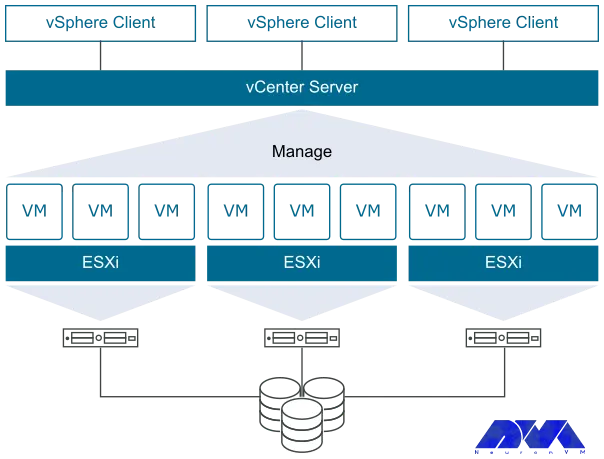
    VMware ESXi, also known as VMware ESXi Server, was developed by VMware for VSphere and is a bare metal hypervisor. ESXi is a core component of VMware’s infrastructure software suite. This is a type 1 hypervisor. That is, it runs directly on system hardware without the need for an OS and can run directly on hardware. Hypervisors are very applicable because they run multiple virtual machines on a single physical server.

    vmware esxi virtualization

    ESXi virtualizer is aimed at small organizations and individuals. Administrators can also use the Vsphere client to configure ESXi and update it with the help of the lifecycle manager plugin. The installation location of this virtualizer is directly on a local disk in the host device. After the VMkernal receives a resource request, it forwards the request to the kernel on the host’s physical hardware.

    What are the Benefits of VMware ESXi?

    After a short description of VMware ESXi, we will now examine the benefits of this efficient virtualizer to give a clearer vision.

    1) Enhanced Security

    VMware ESXi includes a strong encryption system to protect sensitive data with virtual machines. It also restricts access for a streamlined administration, expands auditing and logging capabilities to create more transparent reporting, and simplifies the retrospective analysis.

    2) Stable Operation and Performance

    Applications with the ability to deploy powerful virtual machines of any size (it can be up to 128 vCPU, 6 TB RAM, and 120 different devices) are supported by this hypervisor to meet the needs of various applications.

    3) Comfortable Working Conditions

    VMware ESXi includes a modern and integrated interface based on html5 standards to support daily management. But VMware uses CLI Vsphere and rest-based APIs suitable for developers to automate processes. Also, you can run basic administrative commands from any computer with network access by having the Vsphere CLI command interface available.

    advantages of vmware esxi - vsphere

    4) Quick Installation Process

    Installing VMware ESXi in a data center is very easy and quick because it has a lightweight footprint. You can experience the high quality of servers by viewing and purchasing one of the cheap dedicated server plans from our website and installing and running VMware ESXi on it.

    5) Simple and User-friendly GUI

    VMware ESXi provides a direct console user interface, a web client, and a Vsphere client to manage the Vsphere environment. If we want to give an example in this field, we can say that the web client allows an administrator to manage virtual infrastructures without installing Vsphere.

    6) Ability to use Virtual Graphics Processors

    VMware ESXi can used repeatedly in virtual graphics processor technology or vGPU. This technology is where users can run heavy programs remotely. For example Autocat, Maya, or 3Ds max.

    What is Meant by Vsphere in VMware?

    According to the definition provided by VMware itself, Vsphere is a virtualization platform in an enterprise format. It is worth noting that Vsphere is the brand name of VMware virtualization products and features. One of the advantages of this solution is that it allows you to build a flexible and reliable infrastructure that meets every business need while saving money.

    The solution also enables existing data centers to shift to cloud computing and provides a means to increase hardware utilization from 15 percent to 80 percent or more without compromising performance. Vsphere reduces unplanned downtime.

    Conclusion

    As mentioned above, VMware is a virtualization system that contains many features. This hypervisor has a light structure and allows you to allocate resources in a more efficient way. You can use a single physical machine and create multiple VMs, each running different operating systems and applications. Here, we tried to define VMware for you and introduce some benefits of using this technology for virtualization. If you have any questions, please leave a comment.

  • Admin RDP vs. User RDP: What’s the Difference?

    Admin RDP vs. User RDP: What’s the Difference?

    Remote Desktop Connection Protocol (or RDP for short) is a proprietary protocol, developed by Microsoft and used to graphically represent a connection to a computer connected to a network. RDP is a protocol for working with another system completely offsite. But in the rest of this post, we will explain the difference between Admin RDP and User RDP.

    The Difference between Admin RDP and User RDP

    In the rest of this article, we will explain the definition and benefits of each of the Admin RDP and User RDP services. Then we will compare these two services from the aspects of Resources, Security, Virtualization, Accounts, OS, Port, Installing Programs, IP, and Access Level.

    What is Admin RDP?

    The RDP protocol was introduced in 1998 by Microsoft. This protocol allows the user to connect to another server instead of going to the server room or sitting behind the destination system to remotely connect to the server or the destination system and do his work. So, the RDP protocol allows the user to remotely connect to the server or target system through the network. RDP is used for remote work and management of services and windows that are started on the main server. We recommend you choose one according to your needs after viewing Admin RDP plans and enjoy the high quality and speed of this service.

    Advantages of Admin RDP

    In this section, we are going to mention some features of Admin RDP. These features include the following:

    • Faster and more reliable RDP connection using a dedicated resource pool.
    • Full root access to the server
    • Dedicated IP address
    • The adjustability of programs and operating system
    • Full root access to the server
    • Ability to create firewall options and access security features
    • Ability to increase resources

    What is User RDP?

    In this part of the paper, we are going to introduce you to User RDP. User RDP is like an account, not a server. In User RDP, the developer does not receive any personal resource or IP address. All the main resources like RAM, CPU, connection, and bandwidth on the host server will be shared among other developers.

    Users will only get dedicated storage space on a server. In User RDP, all user accounts use the same server to store data. Also, the number of developers or other users with whom you must share resources is defined by the type of sharing plan.

    In User RDP, accounts are managed through the Active Directory Service of Windows Server. User RDP has no regular maintenance except maybe once a month. If any RDP subscriber consumes too many resources, it may affect other users. If the server does not have any security or configuration, there will be some security issues in the user accounts. A webmaster does not perform the basic tasks of installing/uninstalling software on the server. It limits the possibilities of a website. Such resource-limited websites are only good for browsing-related uses.

    Advantages of User RDP

    In this section, we are going to mention some features of User RDP. These features include the following:

    • High computing speed compared to regular servers
    • No need for a website administrator
    • High network speed
    • Dedicated storage space
    • Lowest fees for single-user accounts

    Admin RDP vs User RDP

    In the continuation of this article, we will compare Admin RDP and User RDP with 10 parameters.

    1) Resources

    All resources in a User RDP are shared by the hosting company’s customers. Only the provided storage space is allocated and inaccessible to any other client. Limited resources often affect the user experience on the server. When a single client uses a high amount of resources, it also affects the performance of other users.

    When the customer wants to allow several users to access their server, the quality of the server will not be good. This is why User RDP is only preferred for browsing websites and has no facility for user accounts or user data storage where multiple people can log in at the same time.

    The resources in the Admin RDP are exclusively owned by the customer and no other customer of the hosting company has access to them. Dedicated resources allow a client to make maximum use of resources regardless of whether another client is using them or not. Such dedicated resources help the developer to have a website with multiple registered accounts with additional storage facilities.

    2) Security

    The security in User RDP is very low. The server host performs security checks once or twice a month. For websites with risk factors, this is very low. Poor security affects the integrity of data transmission over RDP connections.

    With an Admin RDP connection, the user can use whatever security actions they need. They can perform security and error checking at any specified time interval. As security increases, so does the integrity of data transmission. Prevents data leaks and hacks during transmission.

    3) Virtualization

    Hosting accounts in Admin RDP is via virtualization. User RDP has no virtualization feature.

    4) Accounts

    Most companies that provide single User RDP servers can facilitate only one user. This means that only one user can log in to the server through the provided credentials. If multiple users want to use the account, they must use the same login credentials.

    Some RDP Admins allow up to 50 users on a single RDP server. Admin RDP allows different members in different ranks to have limited or open access to details according to their level. Multiple users also allow different website administrators to manage the server.

    5) OS

    In User RDP, the user has no choice but to go with the server OS provided by the host. It may affect performance because sometimes the host may not necessarily update or upgrade versions after release, making new features unavailable to the customer.

    Admin RDP has complete control over the operating system used and when and how it is installed. The user can choose any server operating system they prefer and install it directly on the server without the help of the server host. They can patch updates and upgrades to access new features of the server operating system. They can also restore the server operating system to restore the changes made to the system.

    6) Port

    Another parameter to compare between Admin RDP and User RDP is the port. It is interesting to know that TCP port 3389 is one of the most User RDP ports. Port 25 is the only primary port User RDP is connected. However, this port is the only important port User RDP is connected.

    On the other hand, all ports are accessible for Admin RDP. The important thing to know is that Admin RDP programs provide user access to all RDP connection capabilities.

    7) Installing Programs

    Another parameter that can be checked is the permission to install programs and bots in Admin RDP and User RDP. In User RDP, the user cannot configure any application or program due to a lack of permissions or resources. It limits the compatibility of the server with the needs of the developer.

    On the other hand, it is very easy to install programs and bots on the server with Admin RDP. The hosting business has no control over the customer’s ability to add, remove, or change plans.

    8) IP

    Clients using User RDP access the same RDP. Like other customers of the same hosting company, they log in using the same credentials. Because they all have the same IP address, there is no distinct identity for websites generated in this area.

    An Admin RDP hosting provider uses unique IP addresses for each of its clients.

    9) Access Level

    Administrator privileges on the server are not granted to users using User RDP. Any significant changes must be approved by the user or, failing that, requested by the user. Installing or removing programs, wiping the hard drive, resetting data, changing the operating system, and adding or removing users are all examples of system changes.

    Admin RDP gives the client administrator-level access. The user has full control over the server configuration thanks to the hierarchy. Moreover, they can customize the server according to their needs and plans. When something goes wrong, you don’t have to depend on your hosting provider to fix it because you have a lot of control over the server.

    10) Price

    User RDP costs less because it has fewer resources than Admin RDP. User RDP costs less because the hosting server business only needs to invest a small amount of money. All clients have access to RAM, CPU, and bandwidth at the same time, and storage space is prorated based on the number of new consumers joining the service. Their RDP server business does not require much capital, so the client is spared the cost of paying for it.

    Admin RDP can cost three to four times as much as User RDP for the same amount of resources. In some cases, depending on the number of resources available, the cost can increase significantly. Dedicated resources are the reason for the high price. Furthermore, the IP address provided is unique and will not be shared with any other website hosted by the same server business.

    Conclusion

    Even though all major server hosting companies offer RDP hosting through User RDP and Admin RDP, you should choose one that suits your needs. But if you have the ability to pay and have only one user, Admin RDP has better security features and we recommend you use this service. If you have specific questions about Admin RDP or User RDP, you can Write to us in the comments section so that we can answer them as soon as possible.

  • The Benefits of Using Admin RDP for Remote Administration

    The Benefits of Using Admin RDP for Remote Administration

    One of the beauties that the world of technology has brought to us is remote access to systems. It is a convenient phenomenon for IT personnel of companies to remotely connect to devices so that they can Install, configure, remove, or troubleshoot software. This technology is popular due to its ease of use. We have decided to focus on rdp systems and examine the benefits of using admin rdp for remote administration.

    What is Admin RDP?

    RDP is provided by Microsoft as a secure network communication protocol. This protocol is a great help for network administrators because it allows them to check and diagnose user problems remotely. Users can also access their physical systems remotely.

    RDP is mostly used by people who are traveling or working from home and need to access their main system remotely. This system is a great help for support technicians who need to troubleshoot and repair other systems. There are various providers of Admin RDP and NeuronVM is one of them. You can buy cheap and applicable Admin RDP by referring to our website.

    What Is Admin RDP

    What is Remote Administration?

    Remote administration allows you to use technologies such as RDP to monitor and manage computer programs from a remote location without a physical location, and even diagnose and fix their problems. It can work on any computer with a local area network, internet connection, or IP.

    What are the Benefits of Admin RDP for Remote Administration?

    Now we want to take a closer look at this issue and examine the benefits of choosing Admin RDP for remote administration.

    Using a Remote Desktop Connection Ensures an Easy Access

    There may be a situation where you don’t have access to your system or devices, remote access can make your job easier. This allows IT managers to monitor and control devices located in remote areas. Also, employees who are always on the move are monitored and issues on their devices can be easily fixed remotely. This feature also ensures the safety of employees while dealing with device-related issues.

    RDP Admin Eases the Challenge of Device Management

    Troubleshooting technical problems is the responsibility of IT managers and this work should be done with remote access of administrators. They must be vigilant to ensure that all systems are compliant with the principles. For example, the appropriate software versions have been assigned. admin RDP allows administrators to provide a remote desktop connection and thus edit permissions, change settings or perform other tasks without physical access to the system.

    Remote Access Helps in Saving Money

    The use of remote access means that technicians do not have to visit the site for repairs and troubleshooting, and users do not need to take their systems to them. Therefore, companies can avoid high travel costs and save money. Also, there is no waste of time. These items increase productivity. AdminRDP software also optimizes ROI.

    Ensure the Security of the Remote Desktop Connection

    Advanced security features are among the prominent benefits of remote desktop software. This software protects business information, so its security must be very strong. The security process in these systems is that they encrypt data and access to user’s information becomes very difficult. Remote service providers have a team of professionals who maintain the servers and always have the latest security measures.

    How Does Admin RDP Work?

    How RDP works is that a user or executive uses RDP client software to connect to a remote Windows PC or server running rdp. Also, a graphical user interface helps the admin or user to open programs and edit files directly. Admin RDP also has an open-source version.

    To use Admin RDP, you need to have a compatible device, such as a Windows PC, an Android phone, or an iOS tablet. You also need to have an internet connection and the Admin RDP software installed on both your device and the remote computer. Once you have installed the software, you need to set up the remote computer to allow remote connections and provide you with an ID and a password. Then, you need to enter the ID and password of the remote computer on your device and click Connect. After that, you will see the screen of the remote computer on your device and be able to control it as if you were sitting in front of it.

    Conclusion

    Admin RDP is a great way to take control of devices from different locations. It is a helpful solution and protocol for administrators to ease their work in controlling and monitoring other computers. So this software is not an option, it’s a must. Here, we gave a short explanation of Admin RDP and tried to show the benefits of this protocol for remote administration.

  • Top 10 Benefits of Using MariaDB for Your Database

    Top 10 Benefits of Using MariaDB for Your Database

    The database is one of the main and most important elements that every software element needs to work. A website, a simple mobile application, an operating system, or an accounting application that is supposed to work with specific data, content, or information needs a database to store this information in a systematic classification for use in the application. MariaDB is one of these databases that we are going to fully review in this article and tell you the Top 10 Benefits of Using MariaDB for Your Database.

    What is MariaDB?

    MariaDB is a professional database that can fully cover your database needs. Many big names in the world of software and the internet have changed their process and addressed the users of this robust database. MariaDB is a well-rooted database that has evolved from one of the most powerful databases out there.

    what is mariadb - Benefits of Using MariaDB

    This database started its work in early 2008. Compared to other database programs and platforms that exist, MariaDB can be considered a new program. Of course, other platforms have been presented after this platform and have made good progress, but MariaDB, using MYSQL foundations, was able to make good progress and gain the attention of many programmers. We suggest you visit the Linux VPS server plans provided on our website and don’t miss the exceptional opportunity to have a powerful and high-speed server.

    Top 10 Advantages of MariaDB for Database

    1) Security measures

    Security is a major concern for any website owner. Hacking attempts are increasing every year and a breach can have serious consequences. Consequently, it is important to ensure that your database management software is properly secured.

    MariaDB security measures include:

    • Built-in security checks and passwords
    • PAM and LDAP authentication
    • User role
    • Database encryption

    Another unique point of MariaDB is its RBAC role-based access control. This feature has been introduced since version 10.0.5 and makes access management easier.

    2) Fast and Efficient Performance

    The performance of your site is very important. Especially when the site’s loading speed drops. For example, most users expect a website to load in less than two seconds. Failure to achieve this time can lead to an increase in the bounce rate.

    MariaDB considers engine-independent table statistics when optimizing queries. The MariaDB-based website also offers a range of useful resources on how to further optimize performance, as well as performance strategies, for various data representations. This includes system variables, buffers, stores, threads, performance improvements in database type, and encryption technology. This means that MariaDB is much less likely to negatively impact your site’s page speed.

    3) Proper Support

    Whether you’re a beginner or an experienced user, there will likely be times when you need extra support. Those licensed to dedicated MySQL products have access to Oracle Premier Support, which provides 24/7 assistance. MariaDB support is the same but has some additional features, such as a guaranteed response within 30 minutes! The continued use of this platform by these companies can be another reason for the importance of using MariaDB.

    4) Storage Engines

    Storage engines have been well developed in MariaDB and can provide new features to users. XtraDB and Aria can be mentioned among the mentioned storage engines.

    5) Database Views

    One of the main things that has been optimized is database views. A database view shows the information that will be provided to the user in the form of a virtual table based on the user’s request from the database. This virtual table can have related columns, each of which is in a separate table. Likewise, it may also collect different records and provide the user with a query answer at once.

    mariadb for your database server

    6) Virtual Columns

    Virtual columns can consider one of the great innovations for MariaDB, which greatly reduced the computational load of various programs. At the end of the tables of this database, a virtual column that does not belong to the database and is located in software and virtual form is created. This column will be able to perform mathematical operations and formulas that are requested from it on different rows of the application table and save it.

    With this, it is no longer necessary to extract information from the tables in the program source and perform calculations on them. The program simply accesses that column and reads the necessary calculated information from it. If the calculation is done in the program, the system resources are consumed, and the execution time increases. This makes the database a little bigger, but the system resources are used more optimally.

    7) Column Store

    Columnar storage is one of the features built into MariaDB. By using this possibility, you can store the desired data in column form. This is in stark contrast to previous methods where data was stored in rows. In row storage, a lot of volume and time was spent due to the different data of each column. But this work has made it possible to use compressions and different techniques to increase the speed, and it can be very useful for big data as well as in the topic of Big Data.

    8) MyRocks Support

    MyRocks offers a database system (RockDB), which can considering the best in data compression. By using the MyRocks engine, you will have the ability to take advantage of the compression features of this database. It is also possible to move data between these two databases and change the basis of your database without making any changes.

    9) Thread Pooling

    Thread Pooling was created exclusively for MariaDB. This feature completely revolutionized the way databases work, allowing each access to the database to have a thread. This feature gives the database a special account that handles data requests with pooling software techniques. In this technique, a section named Pool is created, which acts like a list, and all requests are placed in it. Then the database elements manage and respond to these requests with different and sometimes multiple threads.

    With this, your database will be able to respond to queries and requests for information faster. This feature provided by MariaDB has been expanding and many databases are leaning towards it.

    10) Implementation and Authorization

    This software runs on Windows, Linux, and macOS operating systems. It is available on Intel and IBM Power8 hardware platforms and runs as a service on multiple cloud platforms. Supported programming languages include C++, C#, Java, Python, and others. MariaDB Galera’s Linux-based cluster implementation has also been developed to provide a concurrent multi-master cluster option for MariaDB users. However, the API that connects the database to Galera Cluster, another open-source technology, starts in MariaDB by default, eliminating the need to load a separate cluster.

    Conclusion

    MariaDB is one of the reliable platforms that has proven itself in practice according to the comments and reviews we have done. Perhaps these introduced benefits are so tempting that you have thought of building your site’s database or the application you are planning to build on MariaDB and use it.

    FAQ

    What is the solution for the MariaDB server not accepting connections from other hosts or networks?

    To fix this problem, you need to configure the server to allow remote access, give privileges to the remote user, and check the firewall settings.

  • The Role of DNS Servers in Website Performance and Speed

    The Role of DNS Servers in Website Performance and Speed

    You probably heard about Domain Name Servers (DNS) before. DNS servers are used to translate human-readable domain names to machine IP addresses. Using DNS you don’t need to insert long numbers when you are going to enter a website. Instead, you can use domain names like example.com and be directed straight to your destination website. Now, this article considers analyzing the role of DNS servers in website performance and speed, so keep reading to get more.

    What is DNS Server?

    DNS works like a kind of internet phone book and is an identifier for your website. This means that users can quickly access their desired online information and website through a domain name like neuronvm.com. The role of DNS is to translate domain names to IP addresses so that browsers can load Internet resources correctly. A unique IP address is allocated to every device connected to the internet and is the identification of the device. We recommend you use the cheap dedicated server plans offered on our website to set up your own DNS server.

    Explanation of IP Address

    An IP address is a set of numbers that characterize devices connected to the Internet. All internet devices from smartphones to tablets and routers have a dedicated IP. These IP addresses allow computers to communicate with other computers. The structure of the IP address can be expressed with an example: 192.168.1.1 is an example of an IP address. This code contains information about your computer’s location and provider information.

    The Effect of DNS Servers on the Speed and Performance of the Website

    DNS servers affect your website in various aspects. If we want to mention two of them, we can mention the speed and performance of the website.

    The Role of DNS Servers on Website Speed

    DNS is not directly related to your internet speed, but since it causes identification and direct connection with the target website, it can affect the speed of displaying a web page on your computer. Also, modifying the router’s DNS servers can help improve your overall speed. There are many programs and machines available to help you find the best server for your router.

    One of the most effective tools for finding IP addresses is DNS Lookup. The process is that the browser must first find the appropriate IP address to display the relevant website. For example, if you type the domain name neuronvm.com and press enter, it will operate to find the IP address associated with the domain name and connect to the website:

    The Role of DNS Servers on Website Speed

    DNS servers are provided in different types such as recursive DNS servers, TLD name servers, Root DNS servers, and authoritative DNS servers. These servers work together to fix domain names into IP addresses.

    Ways to Decrease the Effect of DNS Servers on Website Speed

    DNS servers are responsible for domain name resolution and the speed of this process affects the loading time, so to speed up this task you can choose a reliable high-performing authoritative DNS server provider. These servers are the only type of server that you have the option to go with your preferred provider. But the root and TLD servers do not give you this possibility. So, to increase the speed of website DNS resolution, you should choose a reliable and fast authoritative server provider. Note that a valid DNS Server provider is different from a web hosting provider. In web hosting, you store the contents or data of your website, but in DNS hosting, domain DNS records are stored.

    Another way to reduce the effect of DNS servers is to use DNS cache. Of course, if the IP is already stored, the effect of the DNS servers will not matter, because the browser does not have to wait for the IP address to be delivered by the valid server. So always go with a reliable server to ensure fast DNS resolution speed. Of course, if the IP is already stored, the effect of the DNS servers will not matter, because the browser does not have to wait for the IP address to be delivered by the valid server. So always go with a reliable authoritative server to ensure fast DNS resolution speed.

    In using authoritative DNS servers, you can use different providers. But this choice will be different according to your circumstances. For example, if convenience is important to you and you don’t want to deal with record keeping, you can use your web hosting provider. But if you focus on DNS resolution speed, Cloudflare will be a good choice.

    The Role of DNS Server on Website Performance

    Regarding the performance of the website, suppose you have a website that works slowly, and you have no idea about the reason because the hardware and CPU configuration of the system is suitable and you have high-speed RAM. Also, all code and programs are optimized but website pages still take time to load.

    After a lot of searching and debugging, you realize that the problem is with the website’s TTFP. Another reason for this problem can be your DNS resolution time, i.e. it takes time to convert the domain name to IP address. During the process of website performance testing, your business may suffer and a lot of time will be spent to find the reason for this slowness. So we must know what the domain name system is and what its role is:

    The Role of DNS Server on Website Performance

    DNS servers in website performance

    Important Factors to Improve Website Performance

    Here are some factors to consider if you want to improve your website performance:

    Not using low TTL

    A shorter TTL makes the user’s machine request again for the domain faster. You can use the high TTLs to make sure that the information is stored locally in the DNS ISP and the user’s computer and affects multiple users.

    Backup plan

    It is good to have a backup plan, even if you use a big DNS management company.

    Unreliable Registered

    If you want to build the next page with 100K hits in a second, you have to be sure that your DNS server can handle the load or assign your NS record to anyone with reliability.

    Capacity

    You need to make sure of the capacity of your servers because if you want to receive a lot of requests, you need to have a lot of capacity or let someone else handle your DNS.

    Conclusion

    DNS is an important issue in the field of websites. These servers have an important role in identifying websites and as told before they act as a phonebook. This article tried to focus on DNS servers and their impact on the website’s performance and speed. Also, we tried to analyze each of them and explain how they can affect the website. We hope you enjoy this article.

    FAQ

    Are DNS servers effective in search speed?

    You can improve internet search speed by changing your DNS to something other than what your ISP Provides.

    What is the way of increasing web performance using DNS?

    By caching the A records or IP addresses they receive from DNS queries for a set amount of time.

  • The Top Bitcoin VPS Server Providers for Crypto Enthusiasts

    The Top Bitcoin VPS Server Providers for Crypto Enthusiasts

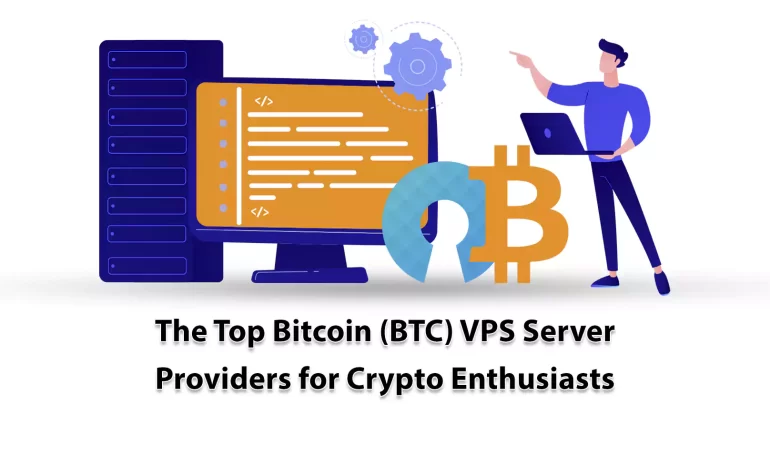
    When it comes to web hosting, one of the most popular options for businesses is virtual private server (VPS) hosting. A VPS offers more control and flexibility compared to shared hosting, while still being more affordable than dedicated hosting. In this article, we review some of the top Bitcoin (BTC) VPS server providers for Crypto Enthusiasts.

    Top 5 Bitcoin VPS Server Providers in 2023

    In the continuation of this article, stay with us to introduce you to the Top 5 Bitcoin VPS Server Providers in 2023. You can buy and use the services provided on these websites by purchasing with Bitcoin and other cryptocurrencies.

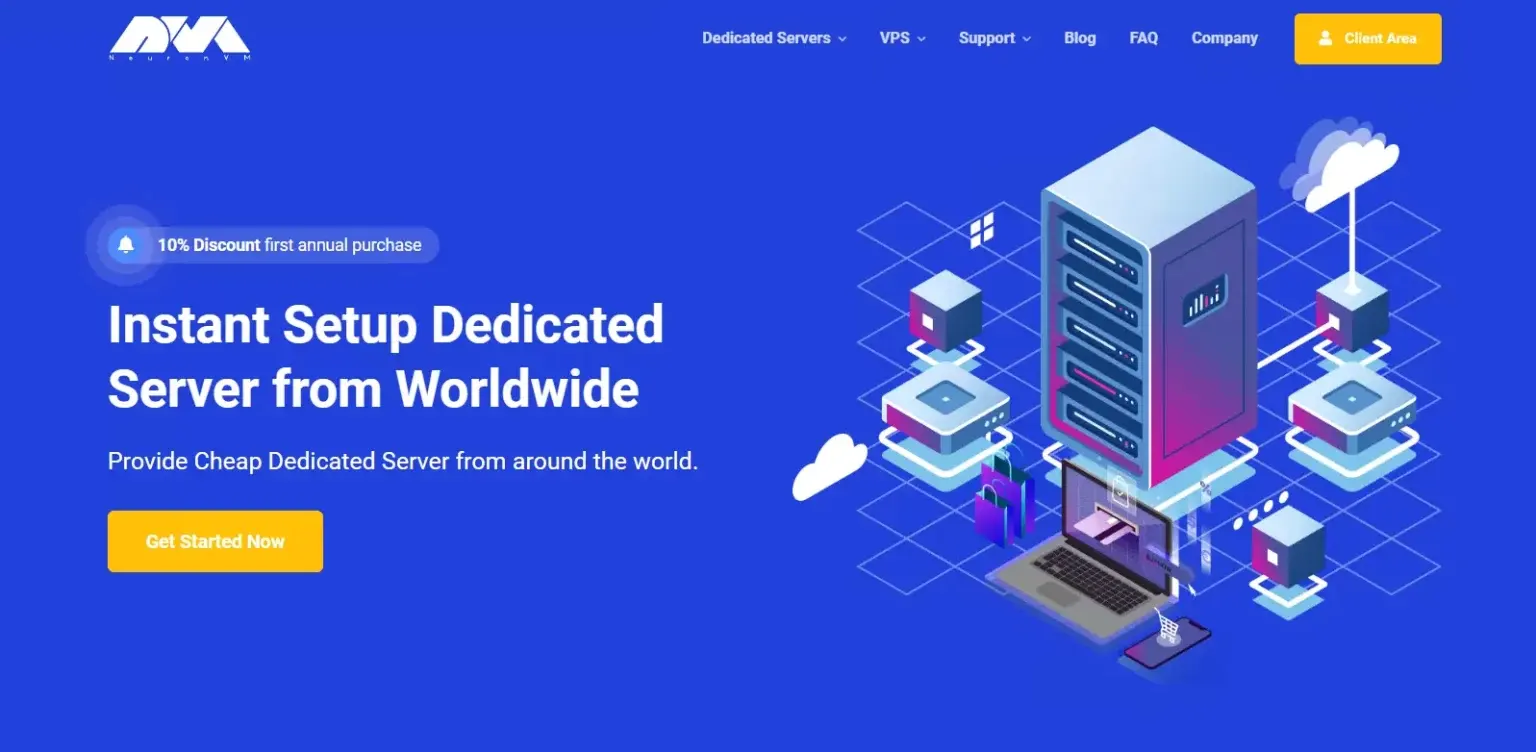
    1) NeuronVM

    Are you looking for a hosting solution that combines the benefits of a Virtual Private Server (VPS) with the convenience and security of Bitcoin (BTC) payments? With a Bitcoin VPS server, you can enjoy fast and reliable hosting while maintaining your privacy and harnessing the power of cryptocurrency. Bitcoin is a consensus network that has created a new payment system and a completely digital form of money. It is the first decentralized peer-to-peer payment network provided by its users without any central authority or intermediary.

    Windows VPS server plans on NeuronVM start at $16.99 per month. This plan includes a dual-core processor, 2GB of RAM, 30GB of storage space, and unlimited bandwidth For more information, you can visit the NeuronVM website.

    neuronvm

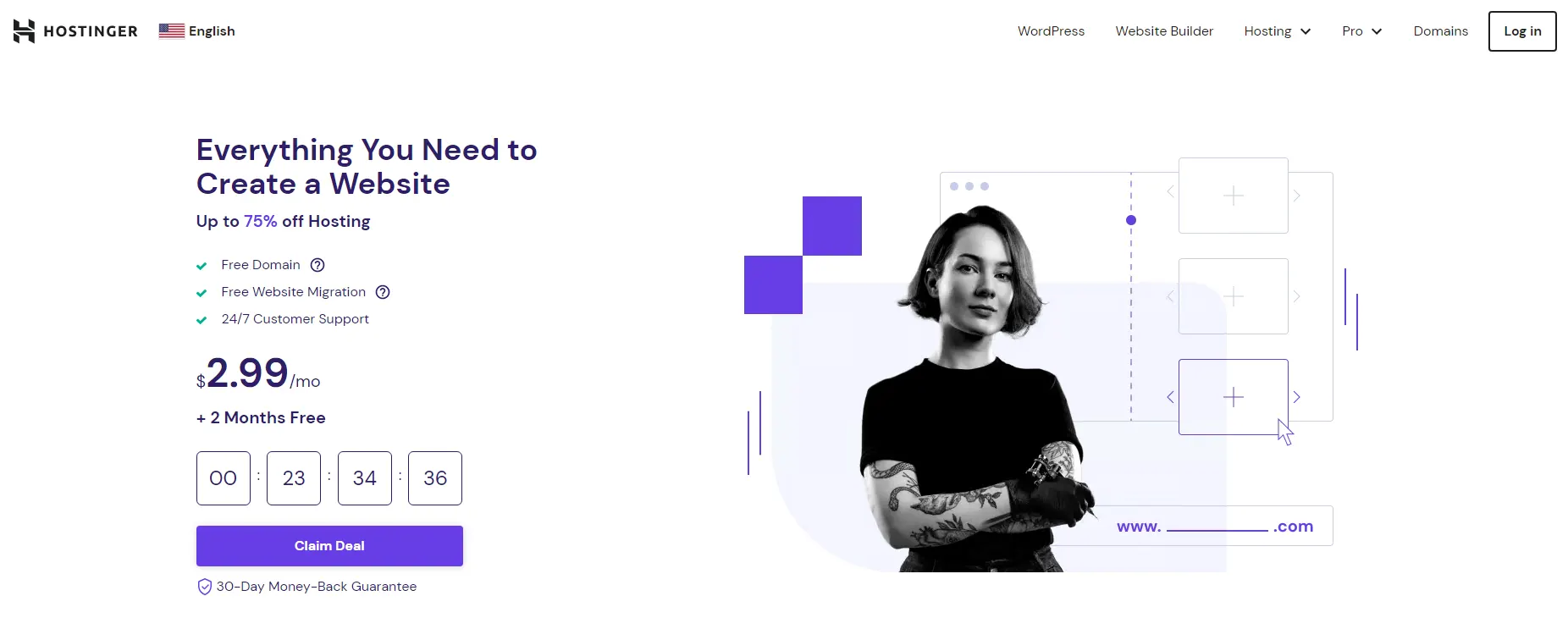
    2) Hostinger

    Hostinger was launched in 2004 in Latvia under the name Hosting Media and changed its name to Hostinger in 2011. Since then, this hosting service provider has reached 24 million fixed customers. The best data centers for this collection are located in Brazil, Netherlands, Lithuania, America, and Singapore.

    Hostinger’s VPS server plans start at $4.99 per month. This plan includes a single-core CPU, 4GB of RAM, 50GB of NVMe storage, 1TB of bandwidth, and weekly backups. This site offers more diverse services such as VPS and domain registration to its customers. You can buy the various services you want, including a VPS server, using Bitcoin from this website.

    hostinger

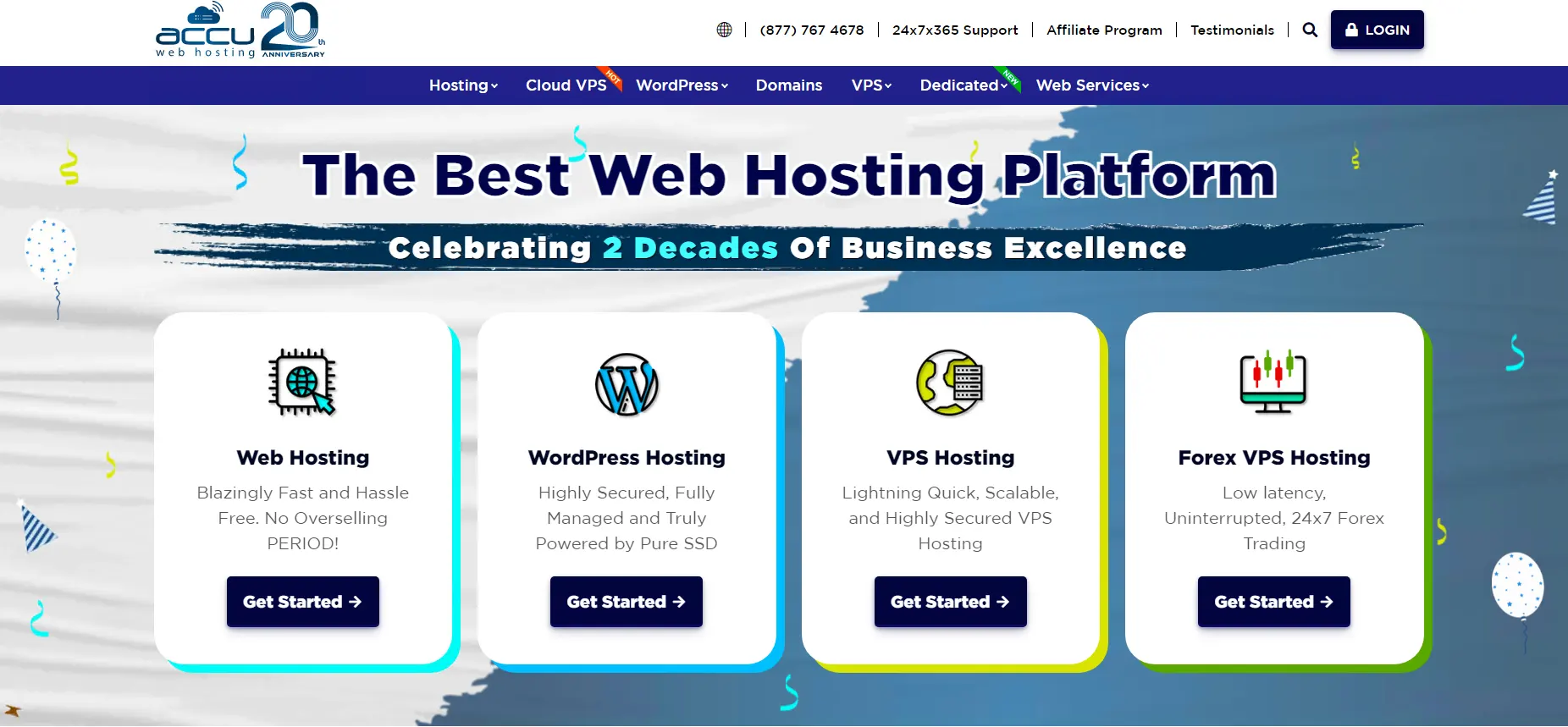
    3) AccuWebHosting

    AccuWebHosting is a hosting provider that specializes in Windows hosting. Their Linux and Windows VPS plans start at $6.99 per month and include 1GB of RAM, a single-core CPU, 40GB of storage space, and 500GB of bandwidth. AccuWebHosting also offers managed hosting services, which means they take care of server management and security. They also offer 24/7 customer support. On this website, you can buy the service you want using Bitcoin or other digital currencies.

    accuwebhosting

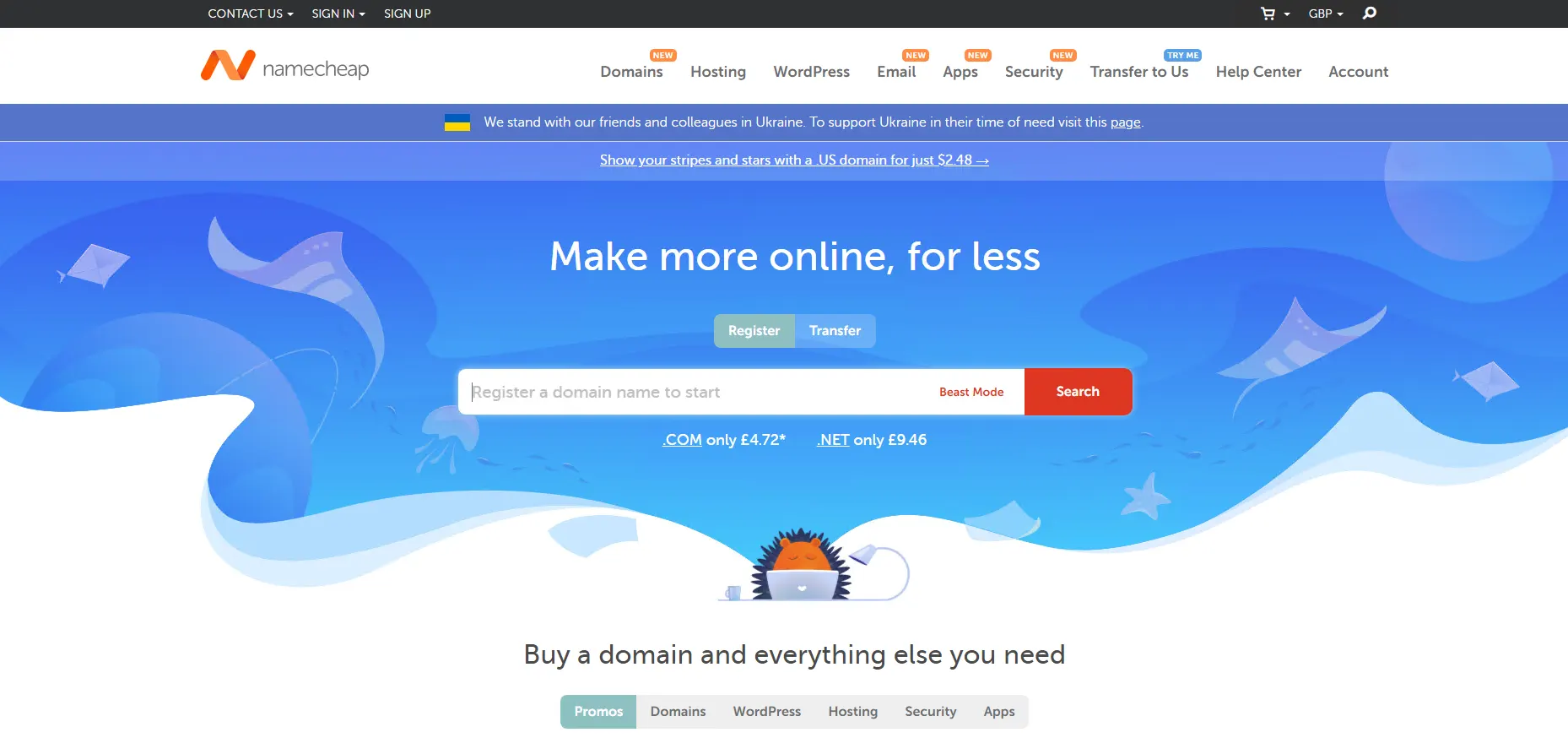
    4) Namecheap

    Over the past years, hosting services have improved and gained many fans. You can use Namecheap website hosting packages. When you use the hosting services of this company, this hosting is done in two stages. First, this site will access your information and data such as passwords, DNS information, and user activity, and will help you against any problems you may have with your site. In the next step, all the information inside the site, contents, SSL files, and email logs will be stored entirely for you.

    Namecheap’s VPS server plans start at $5.43 per month. This plan has a dual-core CPU, 2GB of RAM, 40GB of SSD RAID 10 storage, and 1TB of bandwidth. You can use Bitcoin to buy VPS on the Namecheap website.

    namecheap

    5) Hostwinds

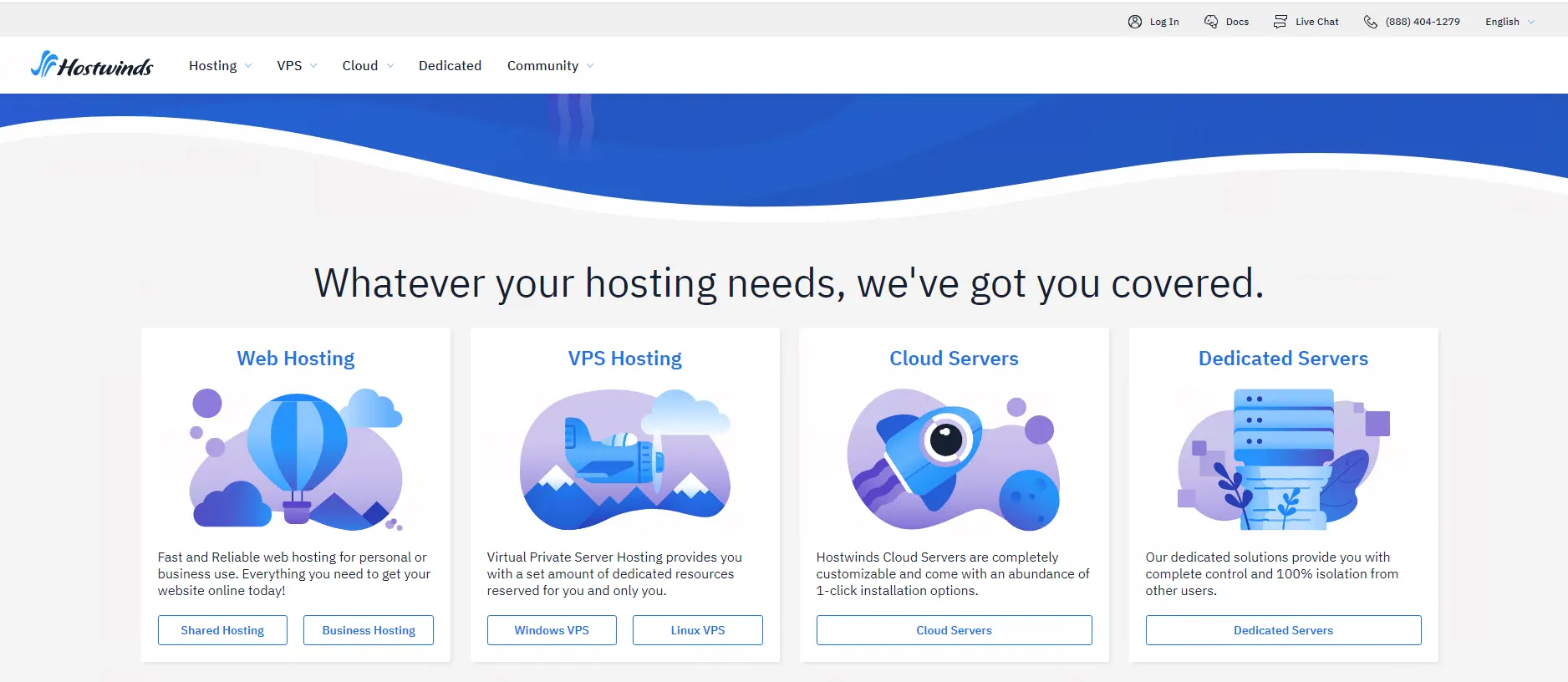
    Hostwinds is a hosting provider that offers a variety of hosting plans including Windows and Linux VPS hosting. Their VPS plans start at $12.74 per month and include 1 GB of RAM, 1 CPU core, 30 GB of storage, and 1 TB of bandwidth. Hostwinds also offers 24/7 customer support and a 60-day money-back guarantee. You can choose the service you want and pay using Bitcoin or other digital currencies.

    hostwinds

    Conclusion

    With the increase in the price of VPS servers, the attractive offers of VPS vendor companies have become very tempting. In this article, we have introduced the list of The Top Bitcoin (BTC) VPS Server Providers for Crypto Enthusiasts, which have good quality, competitive prices, and easy payment with crypto. If you have any questions, you can share them with us in the comments section.