Author: Jannson Miller

  • Exploring the Benefits of Buying a Dedicated Server

    Exploring the Benefits of Buying a Dedicated Server

    A dedicated server is a hosting service that provides an entire physical server exclusively to one client or website. In contrast to shared hosting, where multiple websites share server resources, a dedicated server offers complete access to all the server’s resources, such as processing power, RAM, storage, and bandwidth. By using a dedicated server, the client gains full control over server configuration, software installations, and security settings. This level of control allows for superior customization, flexibility, and performance, making it ideal for resource-intensive applications like high-traffic websites, online gaming, large e-commerce platforms, or other demanding tasks. In this article, we will examine the benefits of buying a dedicated server, which we recommend you follow us until the end.

    Reasons for using a Dedicated Server

    Reasons why someone might choose to use a dedicated server:

    Optimal Performance: Dedicated servers excel in performance compared to other hosting options, like shared hosting. The server’s resources are exclusively available for your website or application, enabling efficient handling of high traffic volumes and resource-intensive tasks.

    Tailored Customization: Enjoy complete control over the server’s configuration with a dedicated server, allowing customization according to your specific needs. This flexibility allows installation and operation of any required software or applications for your website or business operations.

    Enhanced Security: Dedicated servers offer heightened security compared to other hosting services. As the sole user of the server, you have full control over security protocols and can implement your own measures to protect your data.

    reasons to use dedicated servers

    Easy Scalability: Dedicated servers provide effortless scalability, allowing seamless upgrading or downgrading of server resources as your business needs evolve. This flexibility ensures your website or application can handle increased traffic without any slowdowns or downtime.

    Improved SEO Ranking: A dedicated server contributes to better search engine optimization (SEO) performance for your website. Search engines favor fast-loading and reliable websites, and dedicated servers meet both criteria, resulting in improved search engine rankings.

    Exclusive IP Address: Dedicated servers come with a unique IP address solely dedicated to your website or application. This benefits applications affected by shared hosting’s IP reputation, like SSL certificates or email marketing.

    What are the most important Advantages of a Dedicated Server?

    High-performance computing power and resources that are solely dedicated to a single user or organization enhance performance and reliability. This ensures optimal performance without the need to share resources with other users.

    Full control over security measures, including firewalls, antivirus software, and data encryption, increases security. This provides a higher level of protection against potential security breaches compared to shared hosting environments.

    Greater flexibility and customization options are offered by dedicated servers. You have complete control over the server’s hardware, software, and operating system, allowing you to tailor it to your specific needs and optimize performance according to your requirements.

    Scalability is a key advantage of dedicated servers. They are highly scalable, allowing you to easily expand resources such as CPU, RAM, and storage as your business grows. This scalability ensures that your server can accommodate increasing demands without experiencing performance issues.
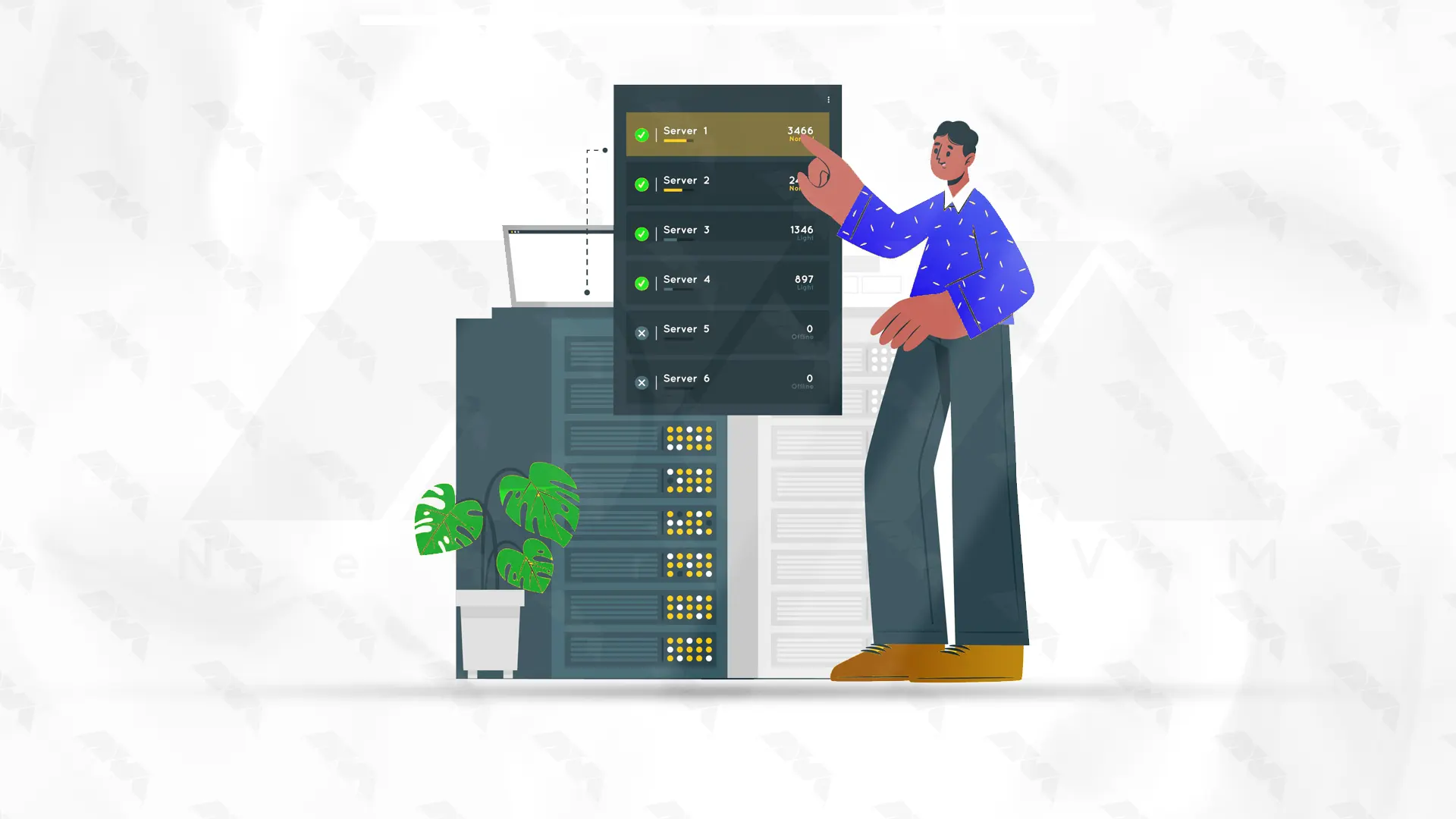
    important Advantages of a Dedicated Servers

    Website loading speed is improved with dedicated servers. They often offer faster website loading times and response rates compared to shared hosting. There is no congestion caused by other websites since the server resources are dedicated to a single user, resulting in a quicker and smoother user experience.

    Better control and management is provided by a dedicated server. You have complete administrative access, allowing you to install and configure software applications, customize settings, and manage server resources. This level of control simplifies server management, making it easier to troubleshoot issues and optimize performance.

    Dedicated server provides a unique IP address for your website, unlike shared hosting where multiple websites share a single IP address. This offers advantages such as better email deliverability and improved search engine rankings.

    Cost-effective and efficient hosting of multiple websites on a single server is possible with a dedicated server. This is beneficial for businesses or individuals that manage multiple online properties.

    Who is a Dedicated Server suitable for?

    Dedicated servers cater to a variety of individuals and businesses, including:

    1. Large businesses and corporations benefit from dedicated servers due to their provision of ample storage, processing power, and control over the server environment. This makes them ideal for organizations with high traffic websites, complex applications, and extensive databases.

    2. E-commerce websites find dedicated servers advantageous as they ensure reliable performance, fast loading times, and enhanced data protection. This is especially important for online stores with high volumes of transactions and demanding security requirements.

    3. Dedicated servers are commonly used by gaming enthusiasts and communities to host multiplayer games. This facilitates better performance, lower latency, and an improved user experience.

    4. Web hosting providers utilize dedicated servers to offer greater flexibility, scalability, and customized solutions for their clients.

    5. IT professionals can make use of dedicated servers to exercise complete control over server configurations, software installations, and security settings. This enables them to leverage their expertise for specific project requirements.

    6. Media and streaming platforms, such as streaming services, content delivery networks, and media platforms, require dedicated servers to handle large amounts of data traffic. This ensures smooth streaming and downloads for their users.

    Overall, dedicated servers are suitable for individuals and businesses in need of high-performance, secure, and customizable hosting solutions that cater to their specific requirements.

    How to buy a Dedicated Server from NeuronVM

    Buying a dedicated server offers numerous advantages, including improved security, performance, and customization options. It allows you to have full control over your hosting environment while benefiting from professional management and support from the hosting provider.

    You can refer to the article “The Ultimate Guide to Buying Dedicated Server with Perfect Money” to buy a dedicated server from the NeuronVM website.

    Conclusion

    Buying a dedicated server, in conclusion, is a worthwhile investment for businesses and individuals. It offers numerous advantages such as improved performance, reliability, security, and customization options. This exclusive hosting solution ensures optimal website or application performance, meeting specific requirements effectively.

  • Mint Condition: Getting Started with Linux Mint

    Mint Condition: Getting Started with Linux Mint

    Linux Mint is one of the popular open-source Linux distributions. One of the positive points of this operating system is its adaptability. It also has an intuitive and user-friendly environment that makes users who move from systems like Windows to Linux not get confused. We will also try to review the Linux Mint operating system for you and guide you on how to get started.

    A Brief Explanation of Linux Mint

    As we mentioned here, Linux Mint is a popular open-source operating system (OS) based on the Linux kernel and can be installed on Linux VPS. This operating system is built on top of the Ubuntu distribution, which itself is based on Debian. This means it inherits much of Ubuntu’s stability and package management system.

    It is a powerful system with full multimedia support out of the box, suitable for moderate and advanced users. Having an impressive user interface, stability, and powerful software center has made it popular.

    Starting Linux Mint is a straightforward process, So let’s learn how to start this amazing distribution:

    Step 1- Choosing the Proper Linux Mint Edition

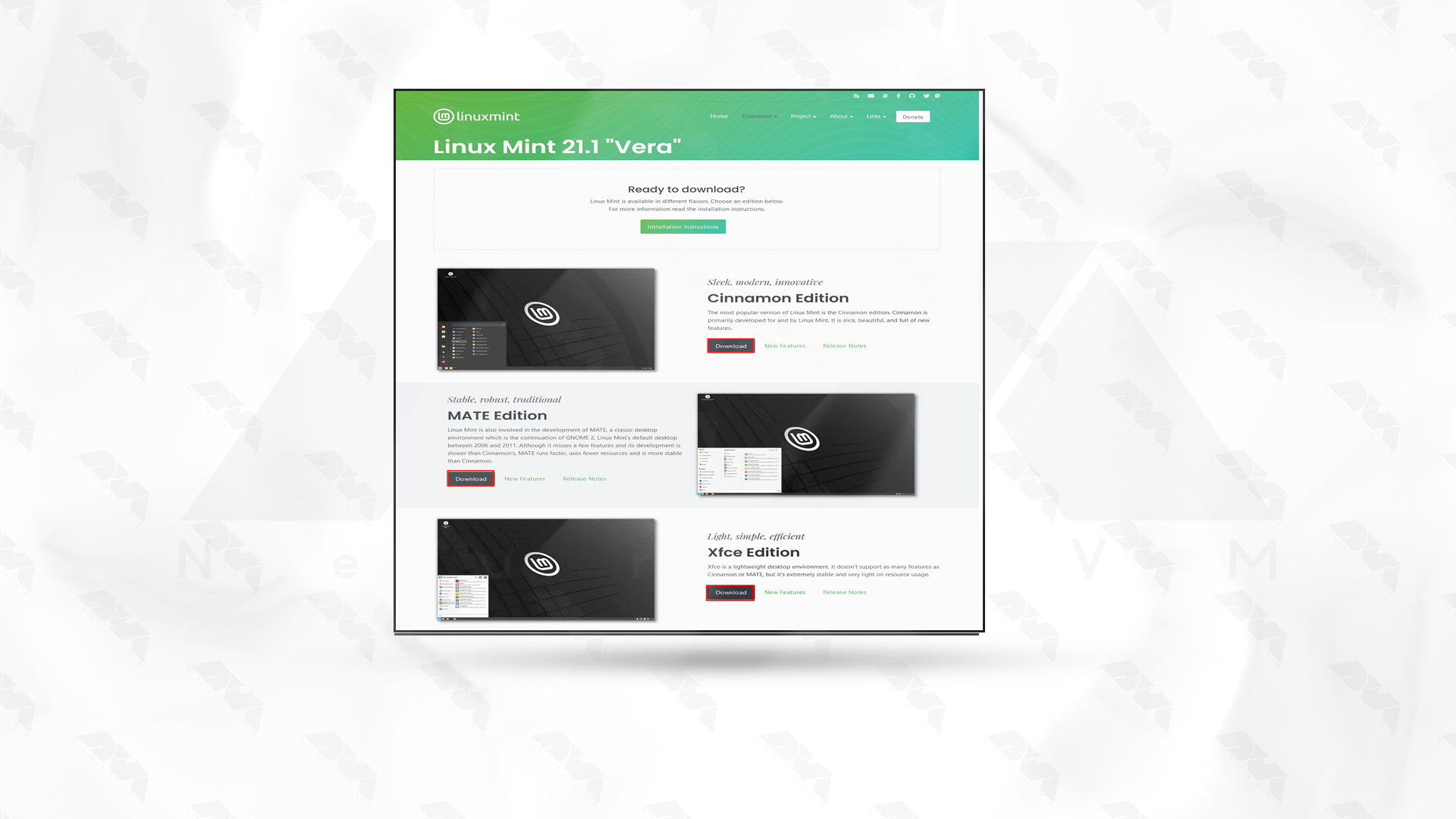
    Linux Mint has three different versions, including Cinnamon, Mate, and XFCE. The difference between these three versions is their desktop environment, which defines the functions and user interface. Let’s examine these three editions of Linux Mint:

    • Cinnamon: It is the most modern version of Cinnamon Mint, which has the most features. At the same time, it offers a balance between speed and features and has an intuitive and comfortable feel.
    • Mate: This version has a classic desktop environment and is lighter than Cinnamon. If you have limited hardware capabilities, Mate is the best choice.
    • XFCE: The lightest version of Linux Mint is XFCE. This version is very suitable for old systems because these systems may have problems with the previous two versions.

    So, choose the best edition which is suitable for your system.

    Step 2- Downloading Linux Mint OS

    Now that you have chosen the right version, you should go to the Linux Mint download page.

    Now, download the version from there. To be able to do this faster, choose a mirror that is closest to you. Select it, and you will see that the iso file will start downloading:

    Linux mint editions

    Step 3- Verifying the ISO file

    It is not mandatory to do this step, but you can make sure of the security and integrity of the downloaded ISO file. MD5 checksums are provided for each ISO file. Therefore, after downloading, you can confirm the ISO file with the checksum tool.

    Step 4- Creating a Bootable USB or DVD

    To be able to install Linux Mint, you need to create a bootable USB or DVD. To do this, you can use tools like Rufus or Balenaetcher. The USB drive used must have at least 2 GB of free space. Or if you want to use a DVD, make sure it is empty.

    Step 5- Installing Linux Mint

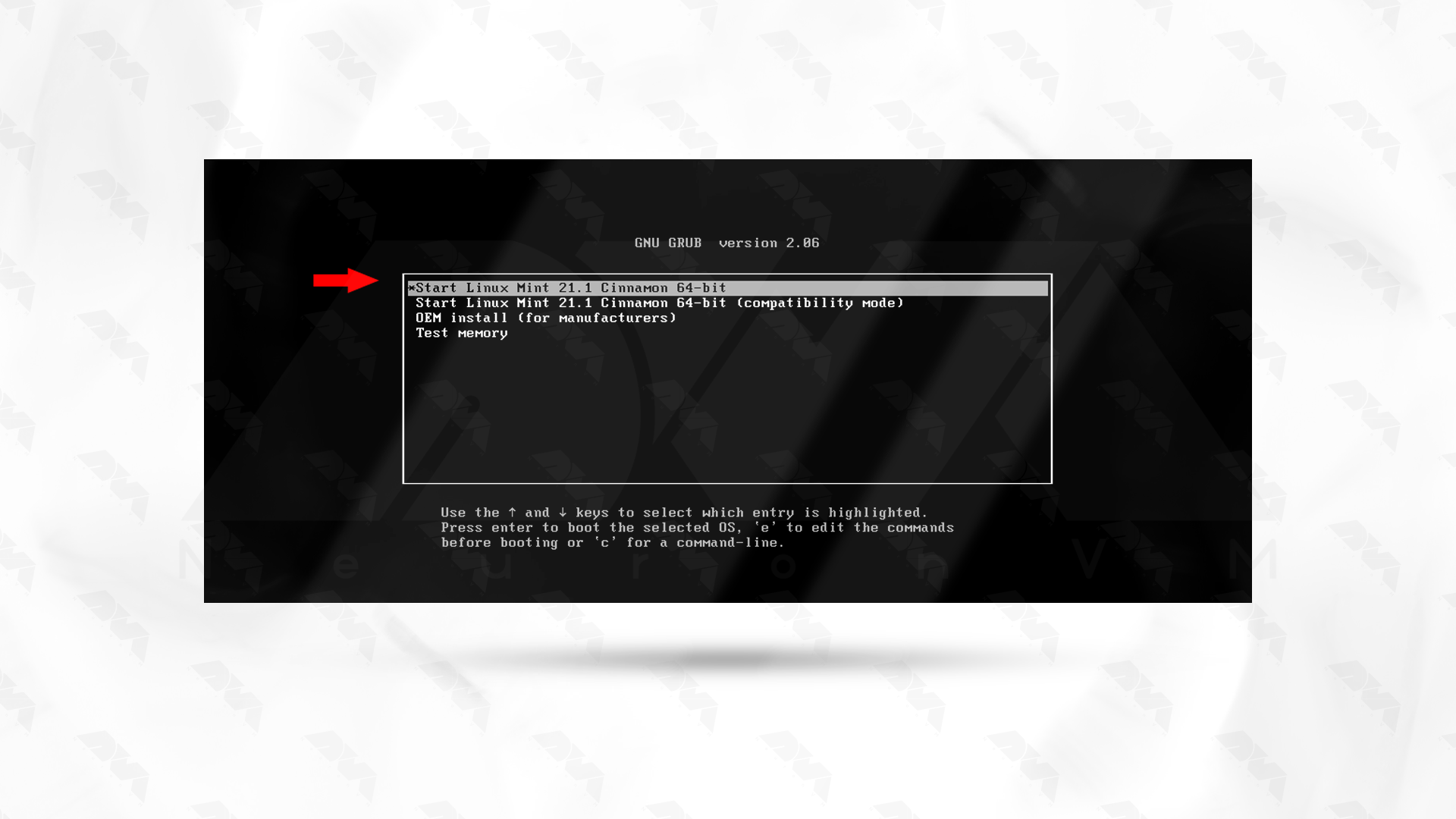
    In this section, to start the installation, you need to reboot the DVD or USB file on the computer. Meanwhile, make sure your bios settings are set to boot from USB or DVD. You should now see the Linux Mint logo loading.

    After downloading this operating system, you can see the test or installation option. If you need to test, click the corresponding option; otherwise, choose the Install Linux Mint option to continue the installation.

     Installing Linux Mint

    ***

    install linux mint

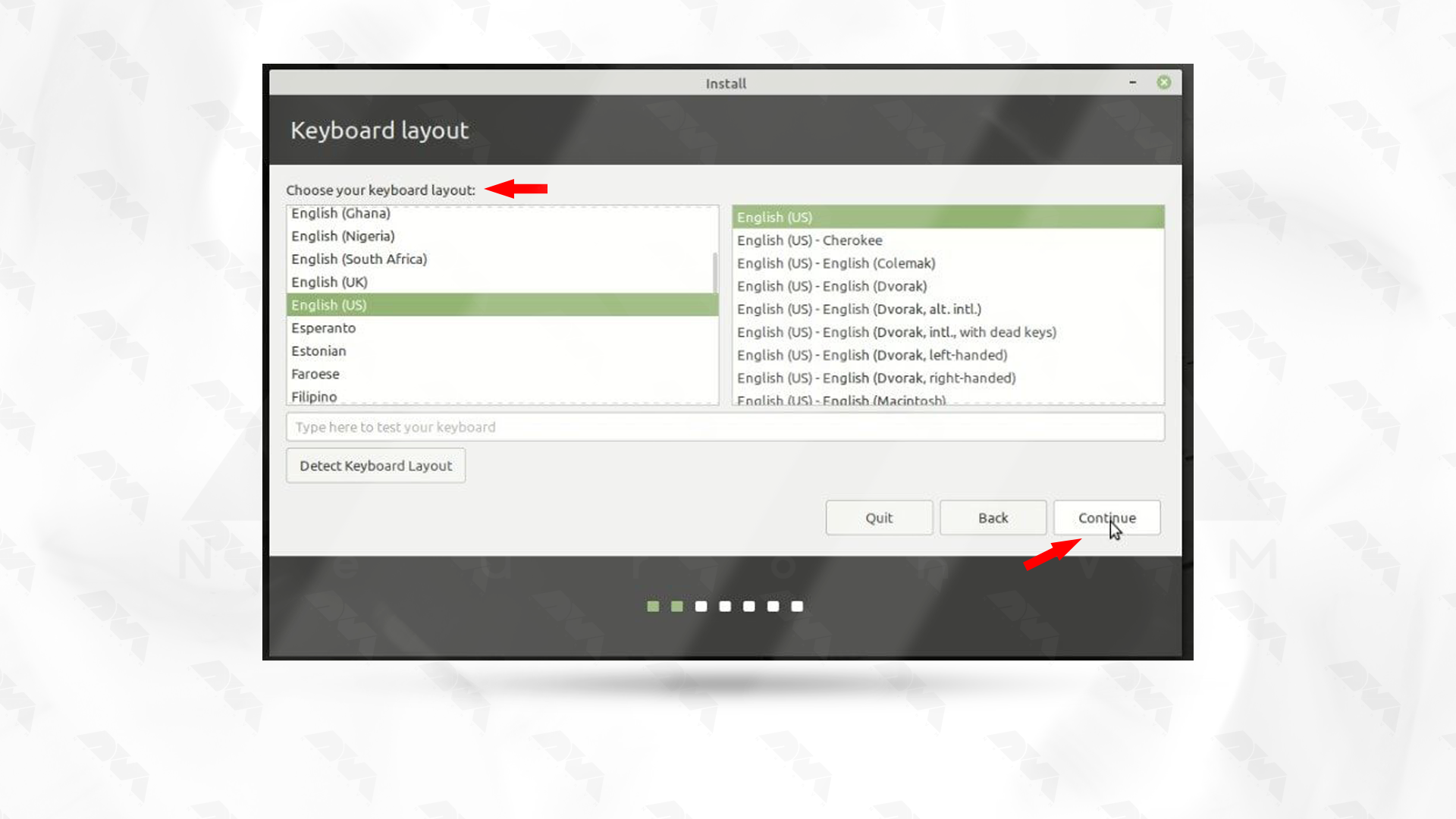
    Follow the next instructions on the screen in order and select your appropriate language. Then select your keyboard layout:

    language and keyboad layout

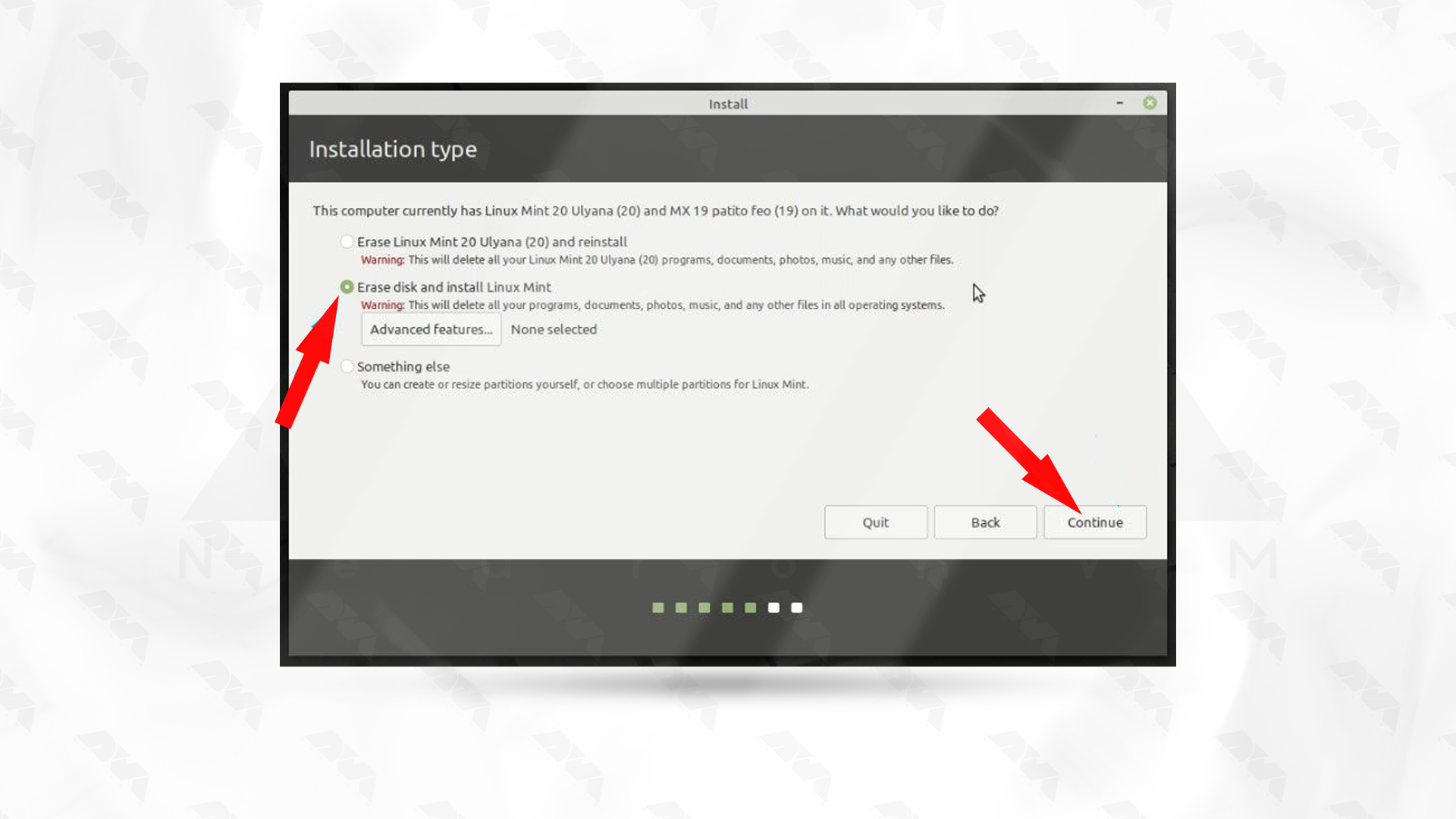
    Now, decide your installation type. In this section, Erase disk and install Linux Mint is usually selected:

    erase disk and install linux mnt

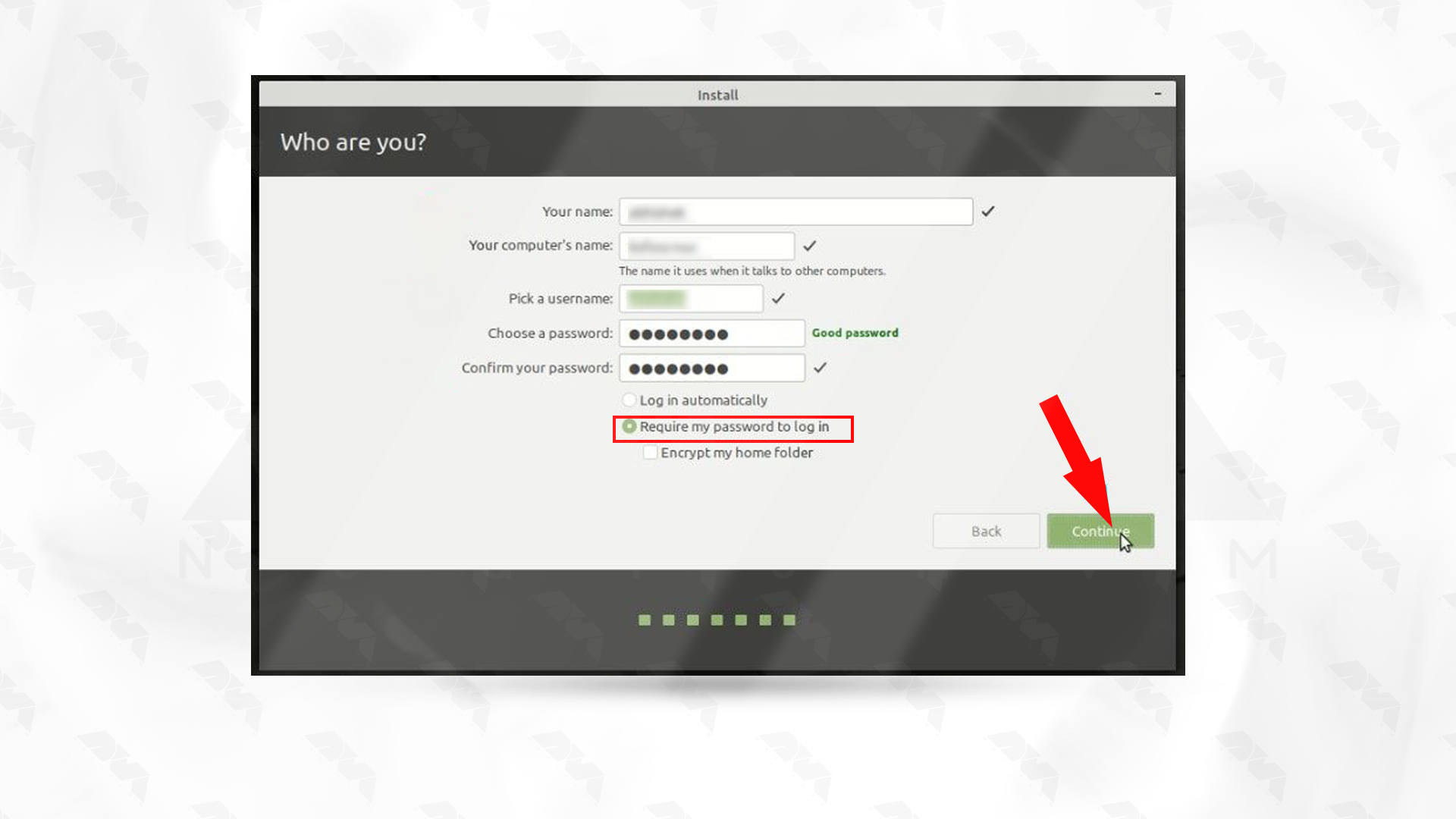
    Finally, create your account and start the installation by giving your username and password.

    username and password for linux mint

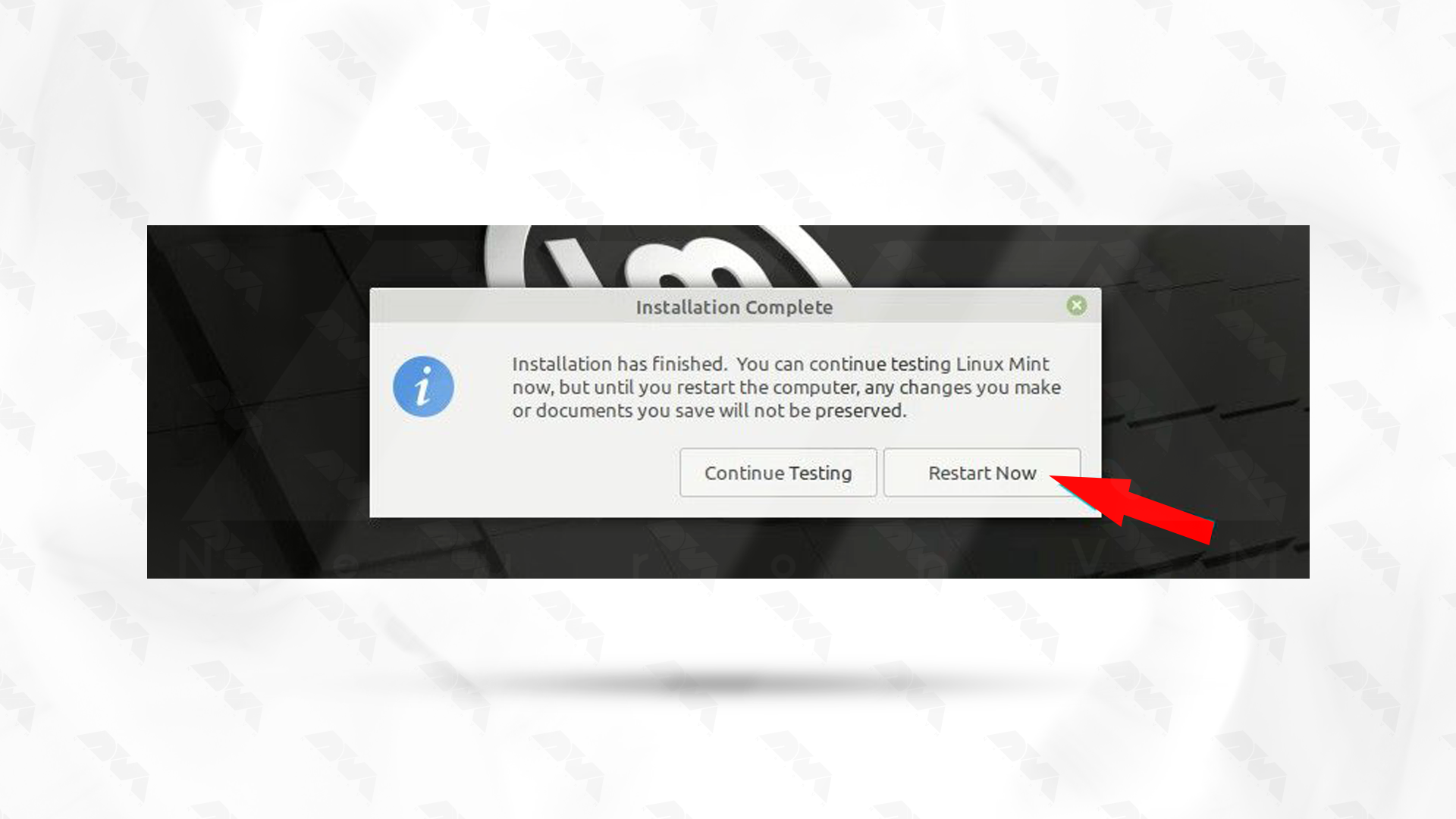
    The installation process will take some time, so be patient. Restart your system to apply changes:

    restart linux mint

    Note: After restarting, the system will prompt you to remove USB and press Enter.

    This is it! As you get more familiar with the system, you can explore advanced features, customize your desktop, and get the most out of your operating system experience.

    Troubleshooting Issues about Booting Linux Mint

    Boot issues with Linux Mint can be caused by various factors, including hardware compatibility, configuration problems, or software issues. Here are some common boot issues and potential solutions:

    1- Incompatible or missing graphics drivers can cause boot problems, especially if you’ve recently updated your kernel or graphics drivers.

    Solution:

    Boot into recovery mode, uninstall or reinstall graphics drivers, or try using the open-source drivers. You can also edit the GRUB configuration to add kernel parameters like nomodeset to temporarily disable the kernel mode setting.

    2- GRUB is a common boot loader used in many Linux distributions, including Linux Mint. If there’s an issue with GRUB, it may prevent the system from booting.

    Solution:

    You can try reinstalling GRUB or repairing it using a live CD/USB. Boot into a live environment, open a terminal, and use commands like grub-install and update-grub to reinstall and update GRUB.

    3- Filesystem corruption or errors can prevent the system from booting successfully.

    Solution:

    Boot from a live CD or USB, open a terminal and run filesystem checks. For example, for an ext4 filesystem, you can use the e2fsck command.

    sudo e2fsck /dev/sdXY

    Replace /dev/sdXY with the actual partition device.

    Conclusion

    As mentioned in this section, the Linux Mint operating system is a versatile and user-friendly system that everyone from beginners to professionals can use. The installation process is also very simple, and you can do it successfully in a few simple steps. So install Mint with this guide and enjoy it.

  • Secure Your Cryptocurrency Future with Dedicated Servers

    Secure Your Cryptocurrency Future with Dedicated Servers

    When it comes to cyberspace, online security becomes very important because nothing is more crucial than protecting users’ data. Many businesses that operate in virtual environments have turned to hosting cryptocurrencies and use virtual servers, especially dedicated servers, to keep their important information safe. We will also discuss the impact of dedicated servers and the future of cryptocurrency with dedicated servers in the above article.

    Advantages of Dedicated Server For Cryptocurrency

    Choosing a dedicated server for cryptocurrency offers several advantages:

    – Dedicated server provides isolated resources, reducing the risk of security breaches compared to shared hosting. This is crucial for safeguarding cryptocurrency wallets and transactions.

    – Dedicated servers offer dedicated resources, ensuring consistent and high-performance levels. This is particularly important for mining, transaction processing, and maintaining the overall responsiveness of cryptocurrency platforms.

    – With a dedicated server, you have more control over the server environment, allowing you to customize configurations based on the specific requirements of your cryptocurrency operations.

    Advantages of Dedicated Server For Cryptocurrency

    – Dedicated servers typically come with higher uptime guarantees, ensuring that your cryptocurrency operations remain accessible and functional. This is essential for maintaining trust among users and investors.

    – Dedicated servers can contribute to lower latency, ensuring faster transaction processing times. This is critical in the cryptocurrency space, where rapid and efficient transactions are valued.

    – Depending on the regulatory environment, using a dedicated server can help ensure compliance with data protection and financial regulations, providing a more secure and legally sound infrastructure.

    – Dedicated servers can be scaled up to accommodate growing cryptocurrency operations. As your needs increase, you can easily upgrade hardware, storage, and bandwidth to meet the demands of your expanding network.

    Buy a Dedicated Server from a Trusted Provider

    Always look for reputable, dedicated server providers. Consider factors like customer reviews, uptime guarantees, and support services. Let us explain some factors and steps to consider when buying a trusted, dedicated server because if you need this server for your crypto, then you should be more careful.

    1- First of all, determine your server requirements, including processing power, RAM, storage, and bandwidth. This will help you choose a server that meets your specific needs.

    2- Ensure the provider has a history of reliability and good customer support. Look for uptime guarantees and customer reviews to gauge their service quality.

    3- Choose a provider with data centers in locations that align with your target audience. This can improve server response times and overall performance.

    4- Carefully read the terms of service and contract. Pay attention to factors like cancellation policies, service-level agreements (SLAs), and any hidden fees.

    5- Check the security measures in place, such as firewalls, DDoS protection, and physical security at the data centers. Security is crucial for safeguarding your data.

    6- Assess the level of customer support offered. Ensure they provide 24/7 support and inquire about their response times for technical issues.

    7- Confirm the available payment options and ensure they align with your preferences. Check if the provider offers flexibility in billing cycles.

    Once you’ve made your decision, follow the provider’s ordering process. Provide the necessary details, choose your server specifications, and proceed with the payment.

    We recommend NeuronVM dedicated services as one of the reliable and strong providers that are concentrated on offering the most up-to-date servers for you and providing 24/7 support to reassure customers.

    How to Buy a Dedicated Server?

    Now that you are familiar with dedicated servers and understand their effects on digital currencies, you can go to the NeuronVM website and buy your own server.

    To find out how you can buy a dedicated server, you can refer to the post The Ultimate Guide to Buying Dedicated Server with Perfect Money.

    Best Practices Used to Secure Cryptocurrency on Dedicated Server

    Securing cryptocurrency on a dedicated server is crucial to prevent unauthorized access, hacking, and potential loss of funds. Here are some best practices to enhance the security of cryptocurrency future with dedicated servers:

    1- Implement two-factor authentication (2FA) for server access. Also, use secure authentication methods such as SSH keys instead of passwords.

    2- Keep the server’s operating system, cryptocurrency wallets, and any other software up-to-date with the latest security patches.

    3- Configure a firewall to allow only necessary traffic to and from the server.

    4- Disable unused physical and network ports.

    secure crypto by dedicated server

    5- Use SSL/TLS for encrypting communication between the server and users and Employ encrypted protocols for wallet access and transactions.

    6- Set up IDS to monitor and detect any suspicious activity on the server.

    7- Avoid using the root account for routine tasks and Follow the principle of least privilege.

    8- Use hardware wallets or secure software wallets with strong encryption.

    By combining these best practices, you can significantly enhance the security of cryptocurrency stored on a dedicated server.

    Conclusion

    A dedicated server is one of the most powerful and secure places to keep your important data safe. So, it is a wise decision to use these servers for cryptocurrency. Keep in mind that the cryptocurrency landscape and security threats are constantly evolving, so staying informed about the latest developments and adjusting security measures accordingly is crucial. We hope this post about the Cryptocurrency Future with Dedicated Servers was a good source to give some useful information for you. Keep following our blog.

  • Mastering Traceroute on CentOS: A Clever How-to Guide

    Mastering Traceroute on CentOS: A Clever How-to Guide

    Traceroute, is a computer network diagnostic tool that tracks the path of network packets from a source to a destination. It helps identify the route taken by packets as they travel across the internet or any IP-based network. Traceroute also provides information about the time taken for each hop (intermediate network node) that the packets encounter on their journey and reveals potential network issues or congestions. This information is useful in troubleshooting network problems and determining the exact location or point of failure in a network connection. In the rest of this article, you will learn how to master and work with Traceroute on CentOS intelligently and step by step.

    Recommended service:

    Buy Linux VPS
    Bitcoin VPS

    Traceroute Options and Flags

    Some common options and flags used with the traceroute command are:

    -I: Use ICMP echo requests instead of UDP datagrams. This is useful for systems that block UDP packets.

    -T: Use TCP SYN packets instead of UDP datagrams. This is useful for systems that block UDP or ICMP packets.

    -4: Use IPv4 addresses only.

    -6: Use IPv6 addresses only.

    -n: Do not resolve IP addresses to their hostnames.

    -w <timeout>: Set the timeout value in milliseconds for each probe. Default is 5 seconds.

    -q <probes>: Set the number of probes per hop. Default is 3 probes.

    -m <max_ttl>: Set the maximum number of hops to reach the destination. Default is 30 hops.

    -f <first_ttl>: Set the initial time-to-live (TTL) value for the first probe. Default is 1.

    -p <port>: Set the destination port number for the UDP or TCP probe packets. Default is 33434 for UDP and 80 for TCP.

    traceroute on centos

    Prerequisites for Traceroute on CentOS

    To use Traceroute on CentOS, you must have the following prerequisites:

    – A Linux VPS Server that runs CentOS.

    – Root access to install and run the required packages.

    – A working internet connection.

    Installing Traceroute on CentOS: Step-by-Step Guide

    Step1: At the first step, you should update your CentOS system using the following commands:

    sudo yum clean all
    sudo yum update

    Step2: Now you can install Traceroute on CentOS easily and using the below command:

    sudo yum install traceroute

    Step3: Once the installation is complete, you can use the Traceroute utility on CentOS by opening the terminal and running the traceroute command followed by the target host or IP address. For example:

    traceroute google.com

    This command will display a list of IP addresses, indicating the path that packets take from your computer to the target host or IP address. To discover more usage, showcase the help for essential command-line options:

    traceroute --help

    Conclusion

    In conclusion, Traceroute on CentOS is a useful network troubleshooting tool that allows users to track the path of their internet packets. It helps identify network bottlenecks, latency issues, and determine the effectiveness of network routing. With its ability to display hop-by-hop information, Traceroute on CentOS is an essential tool for network administrators and users.

  • Gain Control and Flexibility with USA RDP

    Gain Control and Flexibility with USA RDP

    USA RDP (Remote Desktop Protocol) allows users to gain control of a remote computer located in the United States from anywhere in the world. This technology provides individuals with the flexibility to access and use a computer that is physically located in the US, giving them the ability to perform various tasks remotely. In this article, we will explain to you how to Gain Control and Flexibility with USA RDP.

    How can we have more control over our online activities?

    Using USA RDP can provide you with increased control over your online activities and enhance your overall internet experience. Here are some steps you can take to gain control:

    How can we have more control over our online activities

    1. Choose a reliable RDP provider: Select a reputable provider that offers USA-based servers. Look for providers with a solid track record, good customer reviews, and affordable pricing plans.

    2. Check server locations: Ensure that the provider has multiple server locations in the USA. This will give you more flexibility in choosing the location that best suits your needs.

    3. Opt for dedicated resources: Consider opting for a dedicated USA RDP instead of a shared one. Shared RDPs can be more affordable, but they might have limitations in terms of resource allocation and performance. A dedicated RDP will offer you a more stable and reliable connection

    4. Strong security measures: Make sure the RDP provider offers robust security measures like data encryption and two-factor authentication. This will help protect your online activities and ensure that your connection is secure.

    5. Customization options: Look for an RDP provider that allows you to customize your RDP environment. This could include selecting the operating system, installing specific software, or adjusting resource allocation according to your requirements. This level of customization will give you more control over your RDP experience.

    6. Reliable customer support: Ensure that the RDP provider offers reliable customer support that is available 24/7. In case you encounter any issues or need assistance, having responsive customer support will be crucial in gaining control over your RDP.

    How can we have more control over our online activities 2

    By following these steps, you can gain control and enjoy a seamless online experience with a USA RDP. Remember to also comply with the terms of service and laws in your country to ensure that your activities are legal and ethical.

    Flexible Work Solutions: Discover the Benefits of USA RDP

    Flexible work solutions have become increasingly popular in today’s workforce, and one of the tools that enables this flexibility is the use of USA RDP. This service allows individuals to access their work computers or servers remotely from anywhere in the world, using only an internet connection.

    Flexible Work Solutions Discover the Benefits of USA RDP

    Here are some of the key benefits of using USA RDP for flexible work solutions:

    1. Location Independence: One of the biggest advantages of USA RDP is that it allows individuals to work from anywhere, as long as they have an internet connection. This is particularly beneficial for individuals who prefer a nomadic lifestyle or need to travel extensively for work. It eliminates the need for physical office space and allows individuals to work from the comfort of their own homes or any other location of their choice.

    2. Cost Savings: With USA RDP, businesses can save on various costs associated with maintaining physical office spaces. This includes rent, utilities, office equipment, and other operational expenses. Instead, employees can work remotely, reducing the need for a physical office and enabling businesses to allocate their budget to other important areas.

    3. Increased Productivity: Studies have shown that remote workers tend to be more productive compared to those working in traditional office settings. USA RDP provides individuals with the flexibility to work during their most productive hours without the distractions often found in office environments. This results in increased efficiency and output.

    4. Work-Life Balance: USA RDP allows individuals to achieve a better work-life balance. Remote work enables employees to spend more time with their families, reduce commuting time, and have more flexibility in managing their personal commitments. This flexibility often leads to higher job satisfaction and overall happiness.

    Choosing the Best USA RDP Provider

    Choosing the best provider depends on your specific needs and requirements. Here are some factors to consider while selecting a provider:

    Choosing the best USA RDP provider

    – Server Locations: Ensure that the provider has servers located in the USA to ensure low latency and reliable connections.

    – Performance and Speed: Look for a provider that guarantees high-performance servers with fast network speeds, as this directly affects your browsing, streaming, and downloading experience.

    – Security and Privacy: Prioritize providers that offer strong encryption protocols to protect your data and ensure your online activities remain private.

    – Scalability: If you anticipate needing to scale your operations, consider providers that offer flexibility and scalability in terms of server resources and upgrade options.

    – Customer Support: Look for providers that offer 24/7 customer support, preferably through multiple channels such as live chat, email, and phone, to assist you in case of any technical issues.

    – Pricing and Plans: Compare pricing plans offered by different providers, considering factors such as server specifications, bandwidth allowance, and additional features like dedicated IP or DDoS protection.

    Our website (NeuronVM) offers USA RDP service to users at a competitive price compared to other competitors, the highest quality and efficiency, and 24/7 support.

    Read in this article Why NeuronVM is the Best Place to Buy USA Admin RDP?

    How to Buy USA RDP from NeuronVM

    How to Buy USA RDP from NeuronVM

    Buying USA RDP involves selecting a reliable service provider, comparing pricing plans, selecting the desired specifications, and making an online payment. Once the payment is confirmed, the user receives the RDP credentials to access a remote desktop located in the USA. You can learn how to Buy USA Admin RDP by Crypto from NeuronVM by referring to the article.

    Conclusion

    In conclusion, utilizing USA RDP provides individuals with the advantage of increased control and flexibility in their online activities. Whether it is for personal or business purposes, having access to a reliable and secure RDP can greatly enhance productivity and efficiency in today’s digital world.

  • Mastering the Art of Dedicated Servers: A Clever How-To Guide

    Mastering the Art of Dedicated Servers: A Clever How-To Guide

    Are you ready to take your website or online business to the next level? If so, it might be time to consider using a dedicated server. While shared hosting may be suitable for beginners or small websites, a dedicated server offers the most control, flexibility, and power. In this guide, we will walk you through the process of mastering the art of dedicated servers. From choosing the right server to configuring it for optimum performance, you’ll be equipped with the knowledge to make the most of this powerful hosting solution.

    Determining Your Requirements

    Assessing your needs with a dedicated server requires a thorough understanding of your business requirements, resource demands, and growth projections. Here are some key factors to consider:

    Determining Your Requirements

    1. Performance and Scalability: Determine the level of performance required by your applications and consider any potential growth in traffic, users, or data. Evaluate if your current hosting environment can handle the increasing load or if a dedicated server is necessary to ensure optimal performance.

    2. Security: Assess the sensitivity of your data and the level of security required. Dedicated servers offer enhanced security features, such as dedicated firewalls and isolated environments, which can be crucial for industries prone to cyber threats or compliance requirements.

    3. Customization and Control: Evaluate whether your applications require specific configurations, software installations, or specialized environments. Dedicated servers provide complete control and flexibility, allowing you to tailor the server infrastructure to your exact needs.

    4. Cost Considerations: Assess the cost implications of moving to a dedicated server. Calculate the expenses associated with hardware, software licensing, maintenance, and ongoing operational costs. Compare this with the potential benefits and savings from improved performance, scalability, and security.

    5. Technical Expertise: Determine if you have the necessary technical expertise or if you require managed dedicated server services. Managed options provide assistance with server setup, maintenance, security, and troubleshooting, allowing you to focus on your core business.

    6. Redundancy and High Availability: Evaluate your need for redundancy and high availability. Dedicated servers can be configured with failover solutions, clustered environments, or load-balancing setups to ensure consistent performance and minimal downtime.

    7. Support and Service Level Agreements (SLAs): Consider the level of technical support and SLAs needed for your business. Evaluate the responsiveness, availability, and expertise of the hosting provider’s support team.

    Selecting the Perfect Hardware

    Choosing the right hardware for a dedicated server depends on several factors including the specific requirements of your server workload, budget considerations, and future scalability needs.

    Selecting the Perfect Hardware

    Here are some key hardware components to consider when choosing a dedicated server:

    1. Processors (CPU)
    2. Memory (RAM)
    3. Storage
    4. RAID Controllers
    5. Network Connectivity
    6. Power Supply
    7. Server Chassis and Cooling
    8. Remote Management and Monitoring
    9. Scalability

    It is recommended to get in touch with our support experts by sending a ticket from the user area to assess your specific needs and select the most suitable hardware for your dedicated server setup.

    Operating System Selection

    The next step is choosing an operating system (OS) for your server. Popular choices include Linux distributions like Ubuntu, CentOS, or Debian, as well as Windows Server OS. Consider your familiarity with the OS, compatibility with your applications, and any specific requirements when making your decision.

    Server Setup

    Setting up a dedicated server can be a complex process, but with the right knowledge and guidance, you can master the art of dedicated servers. Here are the key steps in server setup:

    dedicated Server Setup

    Step1: Plan and determine server requirements:

    Define the purpose of the server, including the operating system, software, storage, memory, and bandwidth needed.

    Step2: Choose a hosting provider:

    Select a reliable hosting provider that offers dedicated server hosting services.

    Step3: Order and provision the server:

    Place an order for the dedicated server with the chosen hosting provider. Provide necessary information, such as the desired configuration, billing details, and initial setup requirements.

    Step4: Configure network settings:

    Determine the IP address allocation and set up the network configuration, such as assigning static IP addresses, configuring DNS settings, and configuring firewalls.

    Step5: Install the operating system:

    Install the preferred operating system on the server. This may include Windows Server, Linux distributions like Ubuntu or CentOS, or other customized versions.

    Step6: Server hardening:

    Enhance the security of the server by applying necessary security measures, such as setting up a strong password policy, disabling unnecessary services, configuring firewall rules, and installing security software.

    Step7: Configure server settings:

    Customize server settings according to the desired requirements, including optimizing performance, storage configuration, and network settings.

    Step8: Backup and disaster recovery:

    Establish regular backup processes and implement strategies for disaster recovery to ensure data integrity and availability.

    Step9: Testing and optimization:

    Test the server to ensure it is functioning properly and optimize its performance by fine-tuning configurations, monitoring system performance, and applying necessary updates and patches.

    Tip: It is important to follow best practices and consult with professionals or technical support resources when setting up a dedicated server, as the process can be complex and may require advanced knowledge in server administration and security measures.

    Security First: Fortify Your Server

    One of the most crucial aspects of managing a dedicated server is ensuring its security:

    – Start by installing a firewall to protect against unauthorized access.

    – Regularly update your OS and installed software, and consider implementing security measures like two-factor authentication and strong passwords.

    – Regularly monitor logs for any suspicious activity.

    Software Installation and Server Optimization

    Installing software and optimizing a dedicated server involves several steps. Here is a general outline of the process. In the first step, we will examine how to install software on a dedicated server:

    1) Connect to the dedicated server using remote desktop software or SSH.

    2) Update the operating system to ensure it has the latest security patches and software updates.

    3) Install necessary software packages for your server. This could include web servers (such as Apache or Nginx), database servers (such as MySQL or PostgreSQL), programming languages (such as PHP or Python), and any other required applications.

    4) Configure the software settings and make any necessary changes to meet specific requirements.

    5) Test the installed software to ensure everything is working correctly.

    dedicated server Software Installation and Server Optimization

    To maximize the performance of your dedicated server, it’s important to optimize its configurations. This includes fine-tuning settings like PHP memory limit, web server caching, and database optimization. Additionally, consider implementing content delivery networks (CDNs) and load balancers to improve website speed and handle high traffic efficiently:

    1) Optimize the server’s resources by adjusting server parameters and settings, such as memory allocation, disk read and write buffers, and network configurations.

    2) Implement caching mechanisms to improve server performance, such as opcode caching for PHP or content caching for web servers.

    3) Enable Gzip compression to reduce the size of files transmitted between the server and clients.

    4) Configure server-level caching solutions, such as Varnish or Redis, to store frequently accessed data in memory for faster retrieval.

    5) Implement a content delivery network (CDN) to distribute static resources across multiple servers globally for improved speed and reliability.
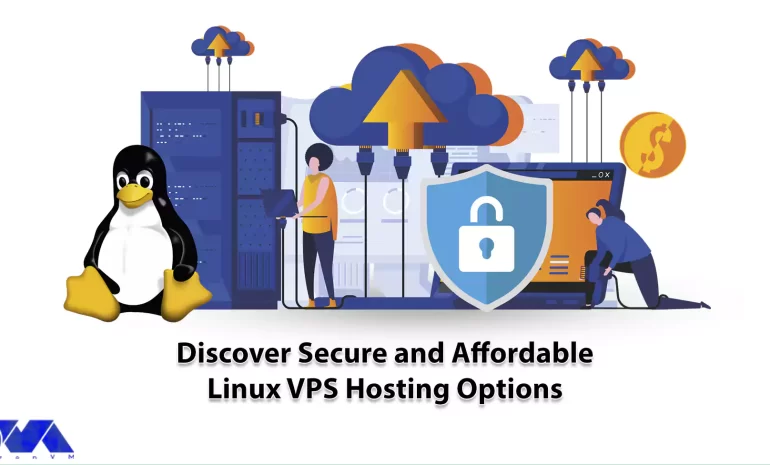
    6) Monitor server performance and utilization using server monitoring tools, and make any necessary adjustments to ensure optimal performance.
    Monitoring and Maintenance

    Monitoring your server’s performance is crucial for identifying and resolving issues promptly. Implement monitoring tools that track resource usage, server uptime, and website performance. This allows you to identify potential bottlenecks, troubleshoot problems, and optimize your server for the best user experience.

    Monitoring tools can be very helpful in ensuring the smooth functioning and optimal performance of a dedicated server. Here are some popular monitoring tools that can be utilized:

    1. Nagios
    2. Zabbix
    3. PRTG Network Monitor
    4. SolarWinds Server & Application Monitor
    5. Datadog
    6. New Relic

    These monitoring tools can be installed on the dedicated server to continuously monitor its performance, identify any issues or bottlenecks, and enable proactive troubleshooting and optimization.

    Scaling and Future-Proofing

    Scaling and future-proofing dedicated servers involves ensuring that the infrastructure can handle increasing demands and technology advancements in the future. Here are some key considerations:

    Scalability: A dedicated server should have the option to scale its resources vertically (increasing individual components like CPU, RAM, or storage) or horizontally (adding more servers to a cluster). This allows the server to handle increasing traffic and workload requirements.

    Upgradable hardware: Choose a dedicated server provider that offers flexibility in upgrading or replacing hardware components. This ensures that your server can accommodate future advancements in hardware technology without requiring a complete replacement.

    Network capacity: Ensure that the dedicated server provider has sufficient network capacity to handle increasing data transfer requirements. This includes sufficient bandwidth, low latency, and scalability to accommodate higher data volumes.

    Virtualization support: Dedicated servers that support virtualization technologies such as VMware, Hyper-V, or KVM allow for efficient resource utilization and scalability. This enables the easy deployment of additional virtual machines as needed.

    Redundancy and high availability: Consider redundancy options like RAID configurations for data storage, redundant power supplies, and network connections. High availability configurations, such as clustering or load balancing, can ensure that your server remains online even in the event of hardware or network failures.

    Future technology support: Stay updated with emerging technologies and trends in server hardware, software, and networking. Regularly review your server infrastructure and consider upgrades or enhancements to keep pace with the latest advancements.

    By incorporating these considerations, you can ensure that your dedicated server infrastructure is scalable, adaptable to future requirements, and can effectively handle increasing demands.

  • Unveiling the Battle of Titans: Kali Linux vs Arch Linux

    Unveiling the Battle of Titans: Kali Linux vs Arch Linux

    The battle between Kali Linux and Arch Linux is a showdown between two powerhouses. Kali Linux, known for its penetration testing capabilities, is favored by cybersecurity professionals. Arch Linux, on the other hand, boasts a minimalistic approach and offers a highly customizable experience. In this article, you will clearly see the result of the comparison between Kali Linux vs Arch Linux.

    The Origin Story

    Kali Linux and Arch Linux are two popular Linux distributions that emerged from different origins and serve distinct purposes. Before we start and introduce and compare these two distributions for you, we suggest you to test and use the Linux VPS server plans provided on our website.

    Kali Linux vs Arch Linux

    Kali Linux, formerly known as Backtrack, was initially developed by Mati Aharoni and Devon Kearns of Offensive Security as a specialized distribution for penetration testing and digital forensics. It was first released in 2006 and became popular within the security testing community due to its vast array of pre-installed security tools and utilities. Kali Linux is designed for ethical hacking and security auditing, providing a robust platform for professionals and enthusiasts in the cybersecurity field.

    On the other hand, Arch Linux was created by Judd Vinet in 2002 as a minimalist and lightweight distribution focused on simplicity, customization, and flexibility. Arch Linux follows a rolling release model, which means that users have access to the latest software updates without the need for reinstalling the entire operating system. Its philosophy of “Keep It Simple, Stupid” (KISS) appeals to advanced Linux users who prefer to build their systems from the ground up and have complete control over every aspect of their installation.

    Although Kali Linux and Arch Linux have different goals, they both share an open-source foundation and have vibrant communities supporting their development. Both distributions enjoy active user bases and periodically receive updates and bug fixes to ensure their security and functionality.

    Kali Linux vs Arch Linux: Usability and User Experience

    First of all, it should be noted that Kali Linux and Arch Linux both have different focuses, so their usability and user experience may vary.

    Kali Linux comes pre-installed with a wide range of security and hacking tools, making it ideal for experienced security professionals. However, for a mainstream user who only requires general computing tasks, Kali Linux may not be the most user-friendly option. It requires a high level of technical knowledge and may not provide a seamless out-of-the-box experience.

    On the other hand, Arch Linux is highly customizable distribution that follows a “do-it-yourself” philosophy. Arch Linux provides a more hands-on experience, allowing users to configure and optimize their system according to their specific needs. While this level of customizability can be empowering for experienced users, it may not be the best choice for beginners or those who prefer a more plug-and-play experience.

    Kali Linux vs Arch Linux Usability and User Experience

    In terms of user experience, Kali Linux is focused on a specific niche and provides specialized tools for penetration testing and security assessments. Its user interface is tailored to these tasks, with an emphasis on efficiency and accessibility to security tools. However, for day-to-day tasks like web browsing, multimedia, or gaming, the user experience may not be as polished or optimized.

    Arch Linux, on the other hand, provides a minimal and lightweight base system, allowing users to customize and install their preferred desktop environment, applications, and utilities. This flexibility offers a more tailored and user-friendly experience, but it also requires a higher degree of technical expertise to set up and maintain.

    Package Management Systems

    Kali Linux uses the Advanced Packaging Tool (APT) package management system. APT is known for its ease of use and powerful features. It allows users to install, upgrade, and remove software packages easily using simple commands like apt-get. APT also provides extensive dependency management, which ensures that all required libraries and dependencies are installed along with the requested package. Kali Linux also provides its own repositories with a wide range of security and hacking-related tools.

    Package Management Systems

    On the other hand, Arch Linux uses its own package manager called Pacman. Pacman is a lightweight and flexible package management system designed specifically for Arch Linux. It follows a minimalist approach and aims to provide a simple and efficient package installation process. Pacman uses a rolling release model, which means that packages are constantly updated to their latest versions. It also has a built-in package build system called the Arch Build System (ABS), which allows users to easily create and install custom packages.

    In summary, both APT and Pacman have their own strengths and are suited for different types of users. APT is often preferred for its user-friendly interface and extensive package repositories, while Pacman is favored for its simplicity and rolling release model.

    Community Support and Philosophies

    Community Support:

    Kali Linux: Kali Linux has a large and active community support base due to its popularity among the cybersecurity community. It has a dedicated forum, IRC channel, and various online communities where users can seek help, share knowledge, and discuss topics related to Kali Linux tools and usage.

    Arch Linux: Arch Linux also has a strong and active community support system. It has an official forum, IRC channels, and a Wiki page. The Arch Linux community is known for its helpfulness, but it is more focused on user self-sufficiency and encourages users to find solutions on their own by providing extensive documentation.

    Community Support and Philosophies

    Philosophies:

    Kali Linux: Kali Linux is geared towards penetration testing, security auditing, and digital forensics. It is designed to provide a comprehensive toolkit of specialized tools for cybersecurity professionals. Kali Linux follows a philosophy of “hack responsibly” and promotes ethical hacking and education in the field of cybersecurity.

    Arch Linux: Arch Linux follows a minimalist and do-it-yourself (DIY) philosophy. It aims to provide a lightweight and minimal base system that allows to build customized Linux environment according to preferences. Arch Linux focuses on simplicity, user-centricity, and providing the latest bleeding-edge software packages.

    Kali Linux has a massive community support base with a focus on cybersecurity, hacking, and forensics, while Arch Linux has an active community that emphasizes self-sufficiency and encourages users to build their customized Linux systems. Choose Kali Linux if you specifically need cybersecurity tools, and choose Arch Linux if you prefer a minimal base system with extensive customization options.

    General Overview: Kali Linux vs Arch Linux

    In the table below, we have generally compared Kali Linux and Arch Linux. Note that this table provides an overview and may not cover all aspects of each distribution. It is always recommended to research and evaluate specific needs before choosing a Linux distribution.

    FeaturesKali LinuxArch Linux
    PurposePenetration testingCustomizable environment
    Target audienceSecurity professionalsAdvanced Linux users
    Ease of useIntermediateAdvanced
    Package managerAptPacman
    Number of packagesExtensiveMinimal
    Rolling releaseNoYes
    StabilityStableRolling release
    Community supportExcellentActive and knowledgeable
    DocumentationComprehensiveExtensive and detailed
    CustomizationLimitedHighly customizable
    Hardware supportWide rangeVaries
    InstallationFull installation imageMinimal installation image
    Default desktop environmentGnomeNone
    Security featuresExtensiveLimited
    Update frequencyPeriodicallyContinuously
    Use casesPenetration testing, digital forensicsGeneral-purpose use

    Final Words

    In conclusion, both Kali Linux and Arch Linux offer powerful features and flexibility for different purposes. Kali Linux is designed for penetration testing and security auditing, while Arch Linux is a minimalistic and customizable distribution suitable for advanced users. In this article, we tried to fully compare Kali Linux and Arch Linux, but if you still have any doubts or questions about this, ask us in the comments section.

  • Innovative Solutions: Bitcoin VPS for Business Growth

    Innovative Solutions: Bitcoin VPS for Business Growth

    As the world of business becomes increasingly digital, companies are constantly seeking innovative solutions to enhance their operations and stay ahead of the competition. One such solution that has gained significant attention in recent years is Bitcoin VPS for business. Bitcoin, the decentralized digital currency, has revolutionized the way we think about transactions, and now it is making its mark on the world of virtual private servers (VPS). In this article, we will explore how Bitcoin VPS can contribute to the growth and success of businesses.

    Bitcoin VPS GIF

    The Advantages of Bitcoin VPS for Business Growth

    Bitcoin VPS offers a multitude of advantages for businesses looking to enhance their operations and drive growth.

    Firstly, the decentralized nature of Bitcoin ensures that transactions are secure and immune to interference from third parties. This enhanced security provides peace of mind to businesses handling sensitive data and financial transactions.

    Additionally, Bitcoin VPS allows for seamless and borderless transactions, eliminating the need for complex international wire transfers and currency conversions. This global accessibility opens up new markets and opportunities for businesses to expand their customer base and collaborate with partners from around the world.

    Bitcoin VPS offers businesses enhanced security, global accessibility, and cost efficiency, driving business growth and expansion.

    The Advantages of Bitcoin VPS for Business Growth

    Securing Business Operations with Bitcoin VPS

    Security is a top concern for businesses, especially in an increasingly digital landscape. Bitcoin VPS offers enhanced security features that make it an attractive option for businesses. With Bitcoin as the payment method, transactions are encrypted and decentralized, making it extremely difficult for hackers to intercept or manipulate sensitive data.

    Moreover, Bitcoin VPS providers often implement state-of-the-art security measures, such as multi-factor authentication and DDoS protection, to further safeguard their clients’ data.

    By utilizing Bitcoin VPS, businesses can ensure the integrity and confidentiality of their operations. It also helps them minimizing the risk of cyber threats and potential financial losses.

    Securing Business Operations with Bitcoin VPS

    Global Expansion Made Easy with Bitcoin VPS

    Bitcoin VPS provides businesses with a seamless and efficient solution for global expansion. Unlike traditional payment methods that are subject to geographical restrictions and currency conversions, Bitcoin allows businesses to transact seamlessly across borders.

    This eliminates the need for complicated international wire transfers and reduces the associated fees and delays. With Bitcoin VPS, businesses can easily expand their operations to new markets, attract international customers, and collaborate with partners from different parts of the world. This global accessibility opens up new avenues for growth and enables businesses to tap into a larger customer base.

    Global Expansion Made Easy with Bitcoin VPS

    Cost Efficiency: How Bitcoin VPS Benefits Businesses

    Cost efficiency is a key consideration for businesses, and Bitcoin VPS offers significant benefits in this regard. Traditional payment methods often involve high transaction fees, especially when dealing with international transfers.

    In contrast, Bitcoin transactions have minimal fees, which makes them an ideal choice for businesses looking to reduce costs. Also, Bitcoin VPS providers offer competitive pricing plans, allowing businesses to scale their hosting needs without breaking the bank. This cost efficiency enables businesses to allocate their resources more effectively and invest in other areas of growth.

    By leveraging Bitcoin VPS, businesses can optimize their financial management and achieve better cost control, ultimately enhancing their profitability.

    Cost Efficiency: How Bitcoin VPS Benefits Businesses

    Scalability and Flexibility: Harnessing the Power of Bitcoin VPS

    Bitcoin VPS offers businesses unparalleled scalability and flexibility, allowing them to adapt to changing needs and growing demands. With traditional hosting solutions, businesses often face limitations and constraints when it comes to resource allocation and capacity.

    However, Bitcoin VPS providers offer a wide range of hosting packages that can be easily scaled up or down based on the specific requirements of the business. This scalability ensures that businesses can accommodate increased traffic, storage needs, and processing power without experiencing any downtime or performance issues.

    Additionally, Bitcoin VPS enables businesses to quickly and seamlessly upgrade their hosting plans as they grow. It also provides the necessary resources to support their expanding operations.

    Scalability and Flexibility: Harnessing the Power of Bitcoin VPS

    Privacy Protection and Future Potentials

    Privacy protection is a critical concern for businesses in today’s digital era, and Bitcoin VPS offers a high level of privacy and confidentiality. Bitcoin transactions are pseudonymous, meaning that users can conduct transactions without revealing their personal information. This provides businesses with an added layer of privacy and protection against potential data breaches or identity theft.

    Moreover, as blockchain technology continues to evolve, there is a growing potential for businesses to leverage the transparency and immutability of blockchain to enhance their operations further.

    Bitcoin VPS opens up possibilities for businesses to explore innovative applications of blockchain technology. Possibilities like smart contracts and decentralized applications, can revolutionize various industries and drive future growth.

    Privacy Protection and Future Potentials

    Fortunately it’s easy to get a secure Bitcoin VPS today from trusted websites, so you won’t need to worry about further complications.

    Conclusion

    In an ever-evolving business landscape, embracing innovative solutions is essential for growth and success. Bitcoin VPS for business offers enhanced security, global accessibility, cost efficiency, scalability, privacy protection, and future potential. By leveraging these benefits, businesses can optimize their operations and gain a competitive edge in the digital world. As the adoption of Bitcoin continues to rise, now is the time for businesses to explore the potential of Bitcoin VPS and unlock new opportunities for growth.

  • Discover Secure and Affordable Linux VPS Hosting Options

    Discover Secure and Affordable Linux VPS Hosting Options

    When it comes to hosting a Virtual Private Server or VPS with a Linux operating system, you have several options to choose from. VPS hosting provides you with more control, flexibility, and scalability compared to shared hosting. Also note that when choosing a Linux VPS hosting provider, consider factors such as budget, technical expertise, your preferred specific Linux distribution, server location, scalability options, and customer support. Here we will help you discover secure and affordable Linux VPS hosting options, so keep studying.

    Everything About Linux VPS Hosting

    Linux VPS hosting is a popular choice for hosting websites, applications, and services on the internet. It combines the flexibility and control of a dedicated server with the cost-effectiveness of shared hosting. It is a popular choice for VPS hosting due to its security and open-source nature. Common Linux distributions used for VPS hosting include Ubuntu, CentOS, Debian, and Fedora.

    Linux VPS hosting can be an excellent choice for individuals, businesses, and developers looking for a flexible, cost-effective, and highly customizable hosting solution. However, it does require some technical expertise for setup and maintenance, so consider your own skill level and needs when choosing a hosting solution.

    secure and affordable Linux VPS

    Significant Options of Linux VPS Hosting

    In comparison to shared hosting, it should be said that a Linux virtual private server offers more control, more security, and better performance. Let’s analyze key features and important options that encourage you to buy Linux VPS hosting. You can purchase this great service from NeuronVM, which is one of the most reliable providers with a variety of VPS and dedicated servers.

    Having Great Control and Flexibility

    We may have already mentioned that Linux server offers more control and flexibility than shared hosting. At the same time, you will have root access, and you can install all the programs and software you need.

    Another feature of these virtual servers is the ability to configure the server settings according to the user’s desired specifications. Using Linux hosting provides you with the use of resources in a dedicated way, which means you don’t have to share CPU or RAM. This is reassuring because there is less competition for the same resources.

    Also, maintain detailed documentation of your server configurations, settings, and procedures. This is invaluable for troubleshooting and future reference.

    Having great control and flexibility on a Linux VPS requires a combination of technical knowledge, regular maintenance, and proactive monitoring. It’s important to strike a balance between control and security, ensuring that your server remains stable and protected while still meeting your specific needs.

    Great Scalability For Growing Websites

    Scalability in the context of a Linux VPS refers to the ability to easily and efficiently handle increasing workloads, traffic, and resource demands as your needs grow. It is obvious that you need to expand your website. Linux hosting provides you with a lot of scalability in this field.

    So, you can have more resources with less cost and less effort. Dedicated resources allow you to use them as much as you need. Achieving scalability in a Linux VPS involves several aspects:

    – Vertical Scalability: This involves increasing the resources (CPU, RAM, storage) of your VPS by upgrading the plan or instance.

    – Horizontal Scalability: This involves adding more VPS instances to distribute the workload. You can use load balancers to distribute incoming requests among multiple VPS instances. This is a common strategy for handling high-traffic websites or applications.

    – Auto-scaling: Some VPS providers offer auto-scaling features, where the number of VPS instances automatically adjusts based on traffic or resource usage.

    – Database Scalability: Scaling your database is often a significant part of scalability.

    As you scale, security becomes even more critical. Implement robust security measures, including firewalls, intrusion detection systems, and regular security audits, to protect your VPS infrastructure.

    Linux VPS is More Cost-effective than a Dedicated Server

    If you want to have access to more resources and more power than shared hosting but can’t spend a lot of money, the best option for you is Linux virtual servers. There are several reasons why Linux VPS is cost-effective:

    affordable Linux VPS hosting

    – Linux is an open-source operating system, which means it is freely available to anyone.

    – With Linux, you are not tied to a single vendor. You can choose from various distributions (distros) and software packages, which fosters competition and can lead to cost savings.

    – Linux can run on a wide range of hardware, including older or less powerful machines.

    – Linux is known for its security and stability, which can reduce the costs associated with system downtime, data breaches, and malware infections.

    – Many Linux distributions offer LTS releases with extended support periods, often up to five years or more. This reduces the need for frequent OS upgrades and associated costs.

    When considering all the factors mentioned above, Linux often results in a lower TCO compared to proprietary alternatives. While initial setup and training costs may vary, the long-term savings can be substantial.

    High-Security Features

    Securing a Linux VPS is crucial to protect your data and server from potential threats and attacks. Here are some high-security features and best practices you can implement on a Linux VPS:

    – Firewall Configuration: Use a firewall like iptables or a more user-friendly front-end like ufw to control incoming and outgoing traffic.

    – SSH Hardening: Secure SSH access by disabling root login, using key-based authentication, and changing the default SSH port (if applicable).

    – Regular Updates: Keep the server’s software and packages up to date by regularly applying security updates.

    – Fail2Ban: Install and configure Fail2Ban to block repeated login attempts from malicious IP addresses. This helps prevent brute force attacks on SSH and other services.

    – Web Application Firewall (WAF): If you’re hosting web applications, consider using a WAF like ModSecurity to protect against web-based attacks, such as SQL injection and XSS.

    – File System Hardening: Use file system permissions (chmod, chown) to limit access to critical system files and directories. Implement the principle of least privilege.

    These are some of the practices to have a highly secured Linux VPS. Train yourself and your team on best security practices to minimize the risk of human error.

    How to Buy Linux VPS from NeuronVM

    Now that you realize how beneficial Linux VPS is and how it can improve your programs and website Let’s find out about the step-by-step instructions to get one:

    To get a full guide about buying Linux VPS from NeuronVM, refer to the official page or study the article The Cost-Saving Benefits of Buying Linux VPS.

    Best Practices For Using Linux VPS Hosting

    To make the most of your Linux VPS hosting, it’s important to follow best practices for security, performance, and management. Here are some key recommendations:

    – Select a reputable hosting provider that offers good uptime guarantees, customer support, and a range of Linux distributions to choose from.

    – Choose a Linux distribution that suits your needs and expertise. Popular choices include Ubuntu, CentOS, Debian, and Fedora. Ensure that the distribution is regularly updated for security patches.

    – Use the package manager of your chosen Linux distribution (e.g., apt, yum, or dnf) to automate updates.

    – Configure a firewall (e.g., iptables or firewalld) to restrict incoming and outgoing traffic. Allow only the necessary ports for your applications and services.

    – Consider using tools like Fail2ban to protect against brute-force attacks.

    – Implement a robust backup strategy to protect your data. Create automated backups and store them offsite for disaster recovery.

    – Setup monitoring tools (e.g., Nagios, Zabbix, or Prometheus) to track server performance, resource usage, and security events. Configure alerts to notify you of any issues.

    – Monitor and optimize resource usage (CPU, RAM, and disk space) to ensure optimal server performance. Tools like htop and sysstat can help with this.

    – Periodically review your server for unused software, files, and accounts. Remove anything unnecessary to reduce the attack surface and improve performance.

    – Use containerization technologies like Docker or virtualization with solutions like KVM or VirtualBox to isolate applications and services for better security and resource management.

    – Limit SSH access to only trusted IP addresses, use strong SSH keys, and disable password-based authentication to protect against unauthorized access.

    – Consider using a control panel like cPanel, Plesk, or Webmin to simplify server administration tasks.

    Conclusion

    Linux VPS hosting can be an excellent choice for individuals, businesses, and developers looking for a flexible, cost-effective, and highly customizable hosting solution. However, it does require some technical expertise for setup and maintenance, so consider your skill level and needs when choosing a hosting solution. We hope this content was useful for you. Please comment if there are any ideas or questions.