Blog

  • Efficiency at Your Fingertips: Adding Remote Desktop Users

    Efficiency at Your Fingertips: Adding Remote Desktop Users

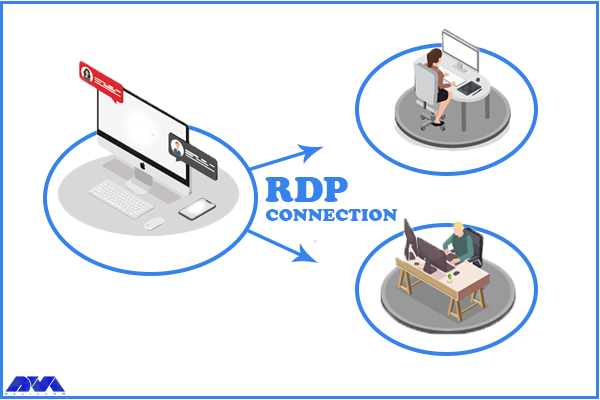
    A remote Desktop is a tool that you can use to connect to your PC and control it. This tool enables remote control of devices. In this case, the users who are in the administrative group or the users you have selected and allowed access will be able to manage or control the system. This article will teach you the way to adding remote desktop users, so stay with us.

    Required Tools

    Here are the requirements before adding a remote desktop user:

    • A Windows VPS server
    • Logging in via RDP with an account that has administrative privileges

    Tip: All the configurations and settings will be done on Windows 10 VPS server.

    Accessing the Remote Desktop Services Configuration

    First of all, Log in to the Server for which you want to add remote desktop users with an administrator account.

    login to remote desktop

    Now you should click the Control panel from the Start menu:

    windows control panel

    Choose System and Security once the panel opens:

    system and security section

    Now choose Allow Remote Access under the System option, This will enable remote access and then you can add Users:

    allow remote access section

    Opening the Remote Desktop Users Properties Dialog

    In the System Properties window, go to the Remote tab. You will find several options related to remote desktop settings here.

    Now, under the Remote tab, select the option that says Allow remote connections to this computer. Make sure this option is checked:

    system option window

    Adding Remote Desktop Users

    Click the Select Users button. This will open the “Remote Desktop Users” window:

    select user on remote desktop

    In the window, click the Add button:

    add user on remote desktop

    In the “Select Users or Groups” window, you can specify the users who should be allowed to connect remotely. You can add users by typing their names and then clicking Check Names to verify them. Once verified, click OK to add the user(s).

    Adjusting User Access Level

    In the Remote Desktop Users window, you can also set the level of permissions for the added users. By default, they will have Remote Desktop Users permissions, which allow them to log in remotely.

    If you want to grant administrative rights, you can add the user(s) to the Administrators group by clicking on the Advanced option:

    select-user-and-user-level-of-permissions-1

    ***

    select-user-and-user-level-of-permissions

    Click OK to close the window. and save the changes.

    select user window

    Sometimes, you may need to restart the computer for the changes to take effect.

    That’s it!, the added users should be able to connect to the computer using Remote Desktop.

    Troubleshooting User Access on Remote Desktop

    You may encounter some problems. Let’s analyze some of them and see what can be the related solution:

    1- Users are not able to access the system remotely even after being added as remote desktop users.

    Solution:

    Ensure that the users are members of the “Remote Desktop Users” group. You can add users to this group through the Local Users and Groups management console.

    2- Users cannot connect to the remote desktop because the firewall is blocking the RDP port.

    Solution:

    Open the necessary port (default is 3389) in the Windows Firewall to allow RDP traffic. Make sure any network-level firewalls (e.g., on a router or security software) also allow RDP traffic.

    3- Users cannot connect because of network issues.

    Solution:

    Verify that both the local and remote systems have a stable internet connection. Check for any issues with routers, switches, or other network devices.

    4- Remote Desktop service (Term Service) is not running.

    Solution:

    Start the “Remote Desktop Services” service. You can do this in the Services management console (services.msc) or through PowerShell.

    Conclusion

    After completing these steps, the specified user(s) should be able to connect to your computer using Remote Desktop. Make sure to also configure any necessary firewall or network settings to allow remote desktop connections if you haven’t already. As you see adding users is so simple and straightforward. We hope this article was useful for you.

  • Top VPS Providers Embracing Bitcoin

    Top VPS Providers Embracing Bitcoin

    As the cryptocurrency market continues to gain momentum, an increasing number of Virtual Private Server (VPS) providers have started accepting Bitcoin as a payment method. In this article, we’ll explore six popular VPS providers who have embraced Bitcoin. While discussing the highlights of each provider, we will also critically examine the disadvantages associated with their VPS services.

    A List of Top VPS Providers Accepting Bitcoin

    I gathered a list of top 6 VPS providers that accept Bitcoin as a payment method. Most of these websites on the list also accept other cryptocurrencies or even other payment methods. Surely the list doesn’t end with these 6 names, but these are the ones that we’ve tested and investigated about. So without further ado, here’s the list of top bitcoin VPS providers!

    Top VPS Providers that accept bitcoin

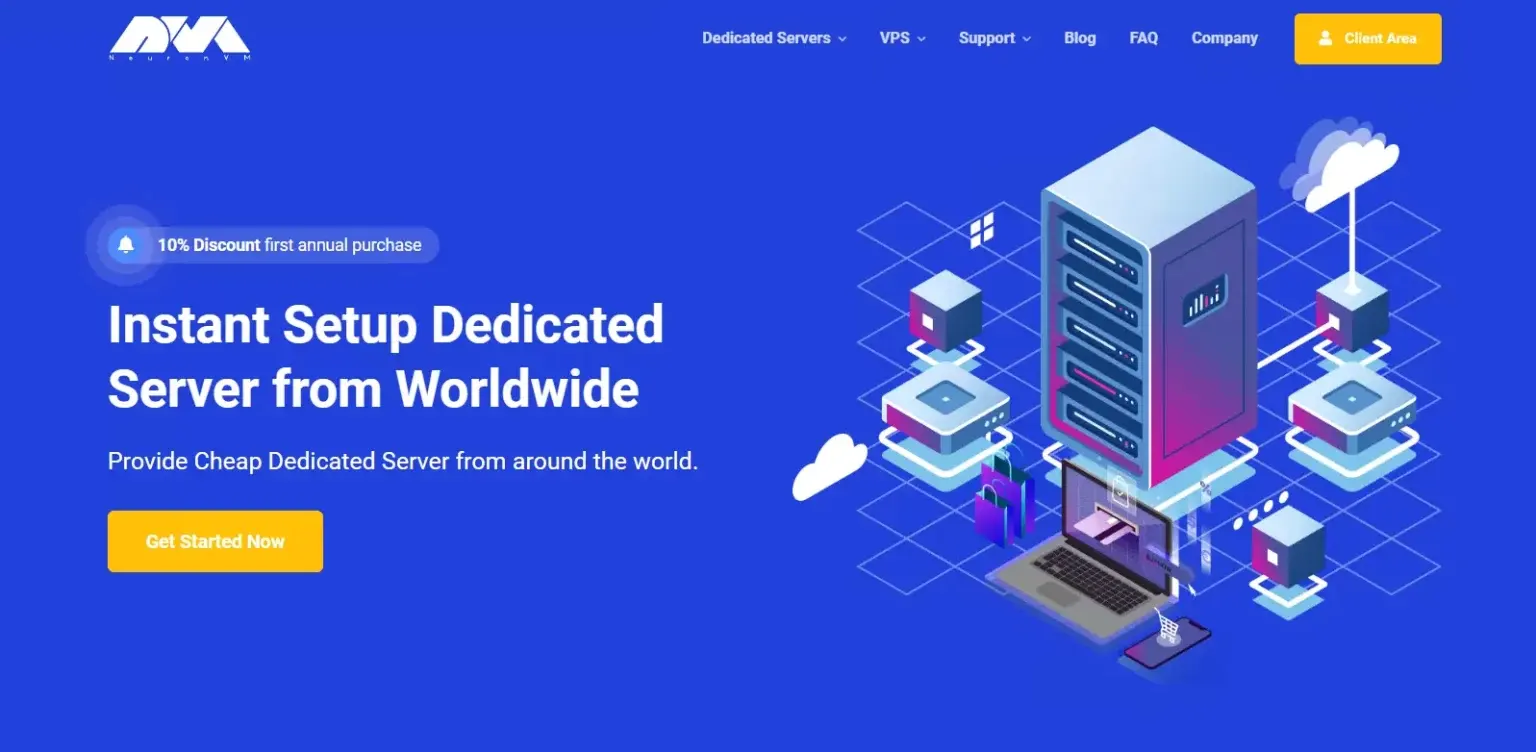
    NeuronVM

    NeuronVM is relatively new to this business, but so far the feedback has been so good. It has been known for its diversity in locations by providing VPS in more than 60 cities in the whole world. You can also be sure about the instant delivery and no extra setup fee and choose your preferred payment method. You can buy VPS with perfect money or cryptocurrencies like Bitcoin. All of these options has made NeuronVM one of the top VPS providers in world today.

    Pros:

    – Instant delivery without any extra charge or setup fee

    – Reasonable pricing and diversity in plans

    – Providing VPS in more than 60 locations all over the globe

    – High uptime

    – Different VPS plans like Game VPS and Mikrotik VPS

    Cons:

    – A newer company compared to the others in the list

    Top VPS Providers: NeuronVM

    Hostinger

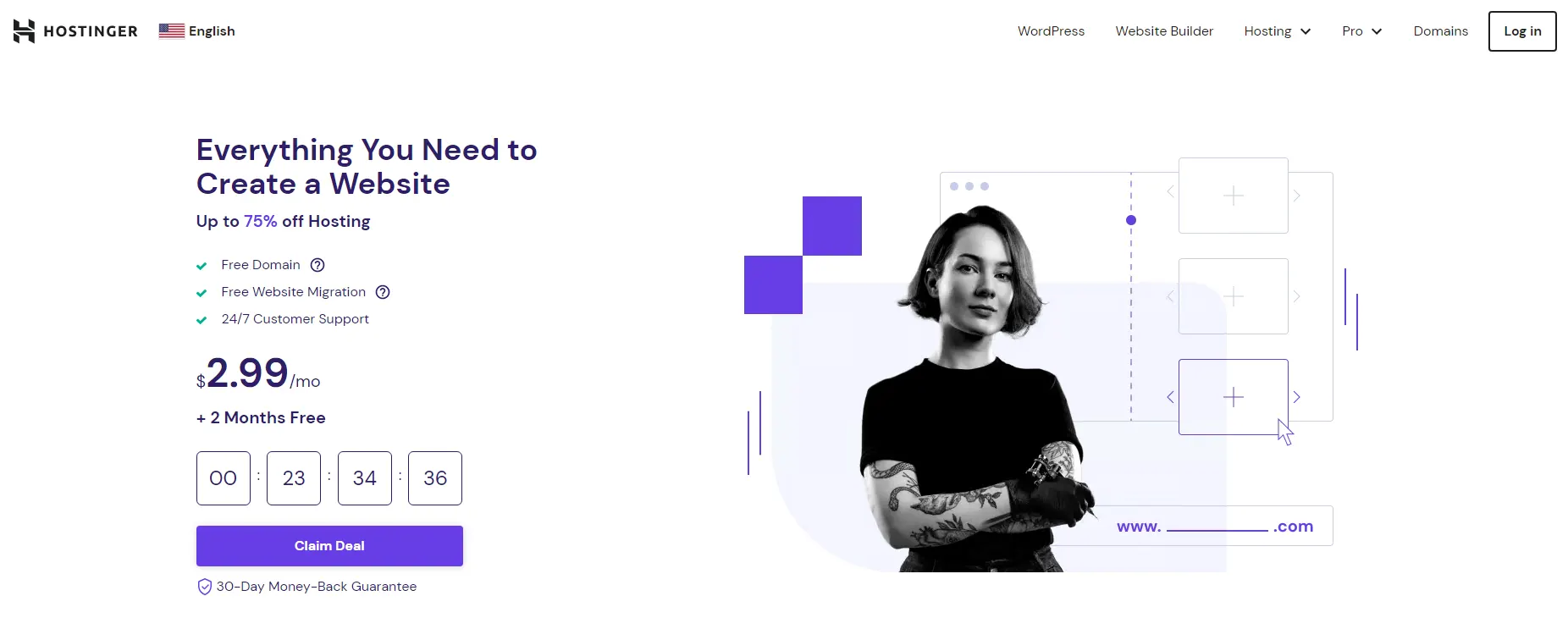
    Hostinger is a globally recognized VPS provider offering excellent performance and reliability. With a multitude of data centers worldwide, they provide low latency and high-speed connectivity. They’ve been a trusted providers in all these years, providing solid VPS services. However, it is essential to consider a few cons when choosing Hostinger for VPS services.

    Pros:

    – Affordable VPS plans with excellent value for money.

    – Wide availability of data centers in multiple regions.

    – User-friendly interface and customer support.

    – Trusted 24/7 support

    Cons:

    – Not much improved over time

    – Some customer reviews suggesting occasional downtime and support delays.

    Hostinger

    Cherryservers

    Cherryservers is a reputable VPS provider that accepts Bitcoin payments. They are known for their flexible pricing model and robust infrastructure. They’ve been able to make a name for themselves in a short time and they are going strong. It seems like the majority of customers are really happy with the provided services by this hosting company.

    Pros:

    – Flexible pricing structure with pay-as-you-go options.

    – Extensive customization possibilities and a wide range of plans.

    – Strong emphasis on high-performance computing and data processing.

    Cons:

    – Some complaints about the support team have been reported.

    – Customer reviews mentioning occasional instability and slow response times.

    Top VPS providers: Cherry Servers

    Hostsailor

    Hostsailor is a VPS provider that focuses on delivering customized solutions. Their acceptance of Bitcoin payments has attracted crypto enthusiasts. They’ve been around for quite a time now and they are providing quality services. Whether you want a KVM or XEN VPS, you can find the quality ones on Hostsailor. Here’s a full list of pros and cons regarding Hostsailor.

    Pros:

    – Diverse range of VPS plans to cater to varying needs and budgets.

    – Advanced security features, including DDoS protection.

    – Multiple data center locations for global reach.

    Cons:

    – Limited support options when comparing to other providers.

    – Higher subscription costs in comparison to the competitors.

    – Mixed customer reviews regarding stability and customer service.

    Hostsailor

    Coin Host

    Coin host is a VPS provider that specializes in cryptocurrency payments. They offer a range of VPS plans that can be purchased using various cryptocurrencies, including Bitcoin. With a focus on privacy and security, Coin host is a popular choice for those who value anonymity in their hosting services.

    Pros:

    – Accepts cryptocurrency payments, including Bitcoin.

    – Strong emphasis on privacy and security.

    – Flexible VPS plans to cater to different needs.

    – Reliable uptime and performance.

    Cons:

    – Limited payment options for non-cryptocurrency users.

    – Some customer support options are missing.

    – Limited data center locations.

    Coin Host Top VPS Providers

    Shinjiru

    Shinjiru.com is a trusted VPS provider offering excellent services to customers. They have a wide range of hosting options and provide VPS solutions tailored to various needs. With data centers located globally, they ensure low latency and high-speed connectivity. One of the unique features of Shinjiru is their focus on privacy and anonymity, making them a popular choice among users.

    Pros:

    – Wide range of hosting options with tailored VPS solutions.

    – Data centers located globally for low latency and high-speed connectivity.

    – Strong emphasis on privacy and anonymity.

    Cons:

    – There is no DDoS for basic plans.

    Shinjiru

    Final Words

    In conclusion, the emergence of Bitcoin as a widely accepted form of payment has played a crucial role in the evolution of the virtual private server (VPS) industry. As evidenced by the top VPS providers embracing Bitcoin, this innovative digital currency has not only provided users with a secure and anonymous way to transact, but it has also opened doors to a global market of potential customers. By allowing Bitcoin as a form of payment, these providers have demonstrated a commitment to adaptability, forward-thinking, and customer-centricity. As we look towards the future, it is clear that the integration of Bitcoin into the VPS industry will continue to grow, bringing forth an era of enhanced privacy, seamless transactions, and expanded opportunities for businesses and individuals alike.

  • The Ultimate Guide to Buying Dedicated Server with Perfect Money

    The Ultimate Guide to Buying Dedicated Server with Perfect Money

    In this day and age, businesses require reliable and secure hosting solutions to ensure their online presence is always up and running smoothly. Dedicated server offer a high level of performance and control. This makes them an ideal choice for businesses with advanced hosting needs. If you’re looking to purchase a dedicated server with Perfect Money, this ultimate guide will provide you with the necessary insights to make an informed decision. So let’s dive in and see how it’s done!

    Understanding Dedicated Servers

    Dedicated servers are physical machines solely dedicated to hosting a single website or application. Unlike shared hosting, where you can host multiple websites on the same server, dedicated servers offer exclusive resources, including CPU power, RAM, storage, and network connectivity.

    This exclusivity guarantees optimal performance and flexibility, allowing businesses to handle heavy traffic loads, resource-intensive applications, and large-scale databases. By investing in a dedicated server, you have full control over server configuration, software installations, security measures, and more.

    When opting for a dedicated server with Perfect Money payment, it is crucial to consider your specific requirements. Evaluate aspects such as the required CPU and RAM capacity, storage size, bandwidth limits, and the level of technical support offered by the hosting provider. Additionally, assess other factors such as server location, network uptime guarantees, scalability options, and data center certifications.

    Understanding Dedicated Server

    The Benefits of Purchasing Dedicated Servers with Perfect Money

    Perfect Money is a reliable and convenient payment system that offers numerous benefits when purchasing dedicated servers. Firstly, it ensures fast and secure transactions, eliminating the risk of fraud or unauthorized access.

    Second, it provides flexibility, allowing users to choose from various currencies and easily convert them. Additionally, Perfect Money offers competitive fees, enabling cost-effective server purchases.

    Moreover, users can enjoy seamless integration with different platforms, making the buying process more efficient and convenient.

    Lastly, Perfect Money’s user-friendly interface and customer support ensure a smooth experience, enhancing user satisfaction when acquiring dedicated servers.

    Purchasing Dedicated Servers with Perfect Money

    Finding a Reliable Dedicated Server Provider Accepting Perfect Money

    Once you have determined the specifications and features you need for your dedicated server, the next step is to find a reputable hosting provider that accepts Perfect Money as a payment method. Conduct thorough research to identify top-notch hosting companies that meet your requirements and have positive customer reviews. Look for providers with extensive industry experience, a diverse range of server configurations, and excellent customer support.

    Exploring online forums, review websites, and social media can help you gather valuable insights from other users’ experiences. Check for any reported downtime issues, the performance of servers, and the provider’s responsiveness to customer concerns.

    Additionally, it is essential to ensure that the hosting provider offers the necessary security measures, such as firewalls, DDoS protection, and regular backups, to safeguard your data.

    Here at NeuronVM, we are providing different hosting solutions, with dedicated servers being one of the most important services. If you’re willing to buy dedicated server, the next section is written for you.

    Server Providers that accept perfect money

    Step by Step Guide for Buying Dedicated Server with Perfect Money

    So if you’re planning to buy a dedicated server, this is the section you’ll be looking for. There are not many providers out there that give you the option to buy this service using Perfect Money, but here at NeuronVM, we really want everyone to start their business as soon as possible and not worry about things like payment method.

    There are a few steps you must take to buy a dedicated server with perfect money. Here, I’ll show you how!

    • Go to our main page. From the menu above, you can choose a Dedicated Server option and see the plans. (for the sake of this tutorial I choose USA dedicated server, but the other ones are just the same).
    neuronvm website
    • You can choose your preferred plan on this page. After that, you can simply click on Buy Now and proceed.
    Choose dedicated server Plan
    • You’ll be directed to our shopping card webpage where you have to fill a few forms before you can proceed. You can also change options like operating system, billing cycle and location on this page.
    server Shopping card
    • Review & Checkout page is where you can enter your promo code if you have any. Click on the Checkout button when you’re done.
    Review & Checkout
    • On Checkout page you have to enter a number of personal information. If you’ve signed up before, simply click on Already Registered button. At the bottom of the page, under Payment Details section, check Perfect Money box and finally click on Complete Order.
    Checkout buying dedicated server with perfect money

    That’s it! Now you can purchase the dedicated server of your choice with Perfect Money. Remember we have a dedicated support team on NeuronVM who is there for you 24/7, so don’t hesitate to ask any questions you might have in mind.

    Conclusion

    Investing in a dedicated server with Perfect Money as the payment method offers businesses a secure and hassle-free solution for their hosting needs. By understanding the significance of dedicated servers, identifying reliable providers accepting Perfect Money, and following through with the purchase process, you can confidently establish a robust online presence for your business. Remember, taking the time to research, analyze, and compare different hosting options will ensure you make an informed decision that aligns perfectly with your specific requirements.

  • A Comprehensive Tutorial on Chrome Remote Desktop

    A Comprehensive Tutorial on Chrome Remote Desktop

    If you are looking for a convenient and easy-to-use solution for remote access and support, we can recommend Chrome remote desktop for you. It’s particularly popular because of its integration with the widely used Google Chrome browser which provides remote access to a computer. It allows you to access your own computer or a remote computer from another location, which can be incredibly useful for various scenarios. So we will focus on this tool and present a comprehensive tutorial on Chrome remote desktop.

    What is Chrome Remote Desktop?

    The Chrome remote desktop tool is a software for management and remote access that was developed for free by Google. With the help of this tool, you can remotely access another computer from devices that run the Google Chrome browser. Monitoring and control as well as remote support are positive points of this software and you can use it with confidence.

    This tool helps you access your workplace system from anywhere in the world and share your screen to guide others. This can be particularly useful for remote technical support, accessing your own computer from a different location, or collaborating with others on a shared computer.

    What Is Chrome Remote Desktop?

    It’s important to note that this tool requires an active internet connection on both the local and remote devices. Also, you can use NeuronVM services like Windows VPS to use the Chrome management tool.

    Benefits of Using Chrome Remote Desktop

    Here are some advantages why users might choose Chrome remote desktop:

    • Security: Chrome Remote Desktop uses secure connections to protect your data during remote access. The optional PIN feature adds an extra layer of security.
    • Convenience: Using this software, users can access their computer from any device with a Chrome browser or app. So you can work from anywhere.
    • Access to Your Own Computer: If you need to access your work or home computer from a different location, you can do so using this tool.
    • Ease of Use: Chrome remote desktop is easy to use and straightforward. It requires minimal setup times and effort.
    • Collaboration: When collaborating on a project, you can use this tool to work on the same computer with others. Your physical location is not important anymore.
    • Cross-Platform Access: Chrome Remote Desktop is cross-platform. In other words, it allows you to access a Windows PC from a Mac, or vice versa. It also supports various operating systems, making it versatile for users with diverse device preferences.
    • Technical Support: It’s commonly used for providing technical support. If you’re tech-savvy, you can help friends or family members troubleshoot computer problems or perform maintenance on their systems from afar.
    • Offline Access: The ability to set up remote access even when the local computer is offline or in sleep mode is a unique feature.

    6 Easy Steps to Access Google Chrome Remote Desktop

    As we mentioned, Google Chrome Remote Desktop is a service that allows you to access and control a remote computer from another device using the Google Chrome web browser. To set up and use this tool, follow these steps:

    1- Open the Chrome browser. Then click on the three lines on the top right and click Extensions. Then search for Chrome Remote Desktop in the search field:

    install chrome desktop

    Tip: If it’s not already installed, download and install Google Chrome from the official website.

    2- Now choose chrome option and press Add to chrome button:

    add-to-chrome

    Tip: It is recommended to install web application too. So, you can have more control.

    Tip: Ensure you are signed in to Google Chrome with the same Google account on both the local and remote computers. This is necessary for synchronization.

    3- Now if you want to remotely access to your desktop after adding chrome extension, click on the blue button to start the download of .msi file and press Accept and Install:

    remote access download

    4- In the next step, press Run on the encountered installation wizard. So, you can open the chrome remote desktop file on Downloads section. You will see the section to choose a name for your device:

    choose a name for chrome device

    6- You should set a PIN code. As soon as you have entered the verification code, you will be connected to the remote computer and control it as if you were physically in front of it:

    Choose a pin for google chrome desktop

    Departments Who Use Chrome Remote Desktop

    As you know, using Chrome Remote Desktop is free and doesn’t cost anything, so many business sectors use it. Let’s analyze various departments that use this tool:

    Departments Who Use Chrome Remote Desktop

    IT Department

    The IT department uses the Chrome remote desktop tool the most and benefits from it. They can help and guide their employees remotely with the help of this software without the need for physical response.

    So, in order to be more productive and save time, they show a great desire to use this tool. It is also possible to support users regardless of location. The only disadvantage of this system is that it is not possible to restart the device.

    Customer Service

    Customer service departments can benefit from using Chrome Remote Desktop (CRD) as a tool to provide remote support to customers. It is free and provided by Google and allows remote support. Among the outstanding options of the support department, we can mention a one-time code that is given to access the desktop and troubleshoot its problems.

    In this way, the customer can continue his work with peace of mind. Also, the user can keep in touch by phone or live chat and always receive expert help.

    Finance

    Since the Chrome remote desktop tool is offered for free, it has attracted the attention of financial sectors. While it may not be as advanced as paid tools, it is good software for small businesses with limited budgets. These departments also take advantage of the screen-sharing function of Chrome desktop in employee-specific situations.

    Marketing

    Marketing departments must constantly work together to achieve the final product. The Chrome remote desktop tool helps users edit documents in real-time or share their home page with each other. Of course, it is not possible to manage multiple sessions with this tool, but it is still ideal for working remotely.

    Best Practices to Use Chrome Remote Desktop

    To ensure a secure and efficient remote desktop experience, here are some best practices to follow:

    – Use strong and unique passwords for your Google account, enable two-factor authentication, and regularly review account security settings.

    – Only share your computer with trusted individuals. Also, When using the service, always require a PIN or a one-time access code for added security.

    – If you encounter connectivity issues, check your firewall settings and ensure that port 443 is open.

    – Make sure you have a strong and unique password. Avoid using easily guessable passwords.

    – Enable session logging for added security and auditing. This feature allows you to review past remote access sessions.

    – For added security, you can configure session time limits, so remote users are automatically disconnected after a specified period.

    – Adjust the quality settings to match your connection speed.

    – Always remember to end your remote sessions when you’re done to prevent unauthorized access.

    – Be aware of the difference between “Guest mode” (where you share your computer) and “Remote Assistance” (where you access another computer). Use the appropriate one.

    – If you’re not actively using Chrome Desktop, it’s a good practice to close your browser.

    By following these best practices, you can make the most of Chrome Remote Desktop while keeping your computer and data secure.

    Conclusion

    Chrome remote desktop is a simple and great remote management software for users to access devices using the Chrome browser. This article was presented to show the way of using Chrome desktop and gave an explanation to make you more familiar with this practical tool and its benefits. If you have any questions or ideas about this issue, please share.

  • Mastering Maltego: Installing and Configuring on Kali Linux

    Mastering Maltego: Installing and Configuring on Kali Linux

    Unleash the power of Maltego, the industry-leading Open Source Intelligence (OSINT) tool, with our step-by-step guide. This comprehensive video will walk you through every aspect of installing and configuring Maltego on Kali Linux, ensuring that you harness its full potential.

    Designed for both beginners and seasoned professionals, “Mastering Maltego” takes you on a thrilling journey into the realm of OSINT investigations. From setting up your Kali Linux environment to seamlessly integrating Maltego, this guide eliminates the hassle of trial and error, saving you countless hours of frustration.

    Whether you’re an ethical hacker, law enforcement personnel, or a cybersecurity enthusiast looking to upskill, “Mastering Maltego: Installing and Configuring on Kali Linux” is your gateway to becoming an OSINT expert. Grab your copy now and join the ranks of the cyber .

    Download Video

  • JetBackup: An Extensive Backup Solution for Directadmin

    JetBackup: An Extensive Backup Solution for Directadmin

    If you decide to recover your data through Jetbackup, which has become very popular, and your control panel is DirectAdmin, you have come to the right place. Our article aims to introduce you to Jetbackup and how to configure and use it in DirectAdmin. Not long ago, DirectAdmin put this solution on its platform, but note that the interface is entirely different from Cpanel. Keep studying to figure out more about this issue.

    What is JetBackup?

    JetBackup is a commercial backup and recovery solution primarily designed for web hosting providers and server administrators. It is often used in the context of web hosting control panels, such as cPanel, Plesk, and DirectAdmin, to automate and simplify the backup and restore processes for websites, databases, and server configurations.

    JetBackup is a popular choice for web hosting companies and server administrators looking to provide reliable backup services to their clients and ensure data recovery in case of hardware failures, data corruption, or other issues. It helps protect websites, databases, and server configurations, making it a valuable tool in the web hosting industry. Note that you can also purchase our up-to-date and practical Linux VPS services to use this powerful recovery solution on DirectAdmin.

    What are the Features of JetBackup on DirectAdmin?

    There are many features related to Jetbackup in DirectAdmin that we mention in this section:

    • Cron Jobs: The possibility of backing up and restoring Cron Jobs in DirectAdmin.
    • Home Dir: For Backing up and restoring files and folders (location of website source code)
    • Certificates: To backup and recover SSL
    • Email option: To backup and restore email accounts
    • FTP: For backing up and restoring FTP accounts
    • DB: To backup website database
    • DB user: Backup database users

    How to Run JetBackup on DirectAdmin?

    JetBackup is a popular backup solution for cPanel, DirectAdmin, and other web hosting control panels. To install JetBackup on DirectAdmin, you’ll need to follow a few steps. The installation steps may vary slightly based on the version of DirectAdmin and JetBackup you’re using, so always refer to the official documentation for the most up-to-date instructions. Here are the general steps to run JetBackup on DirectAdmin:

    Download JetBackup

    The first step is to visit the JetBackup website and log in to your JetBackup account. Download the DirectAdmin version of JetBackup:

    Jetbackup login page

    Tip: Make sure you have root or administrator access to your DirectAdmin server.

    Run JetBackup Solution on DirectAdmin

    Enter your DirectAdmin, and search for the JetBackup icon to restore your account, then open it. It will look like this:

    running jetbackup on directadmin

    You will encounter a new window. So, click on the Full Backups icon:

    choosing proper icon for backup

    You should enter your username and choose View Backups. Now, In the Created column, select the backup you want to restore from the drop-down menu and click the Show Advanced Settings button.

    The first action will be referring to the Home Directory tab and clicking on the Change Files Selection button in the Select Files column:

    restore and download section on jetbackup

    ***

    restore and download section on jetbackup-2

    Now you have to go to the domains and choose the domain you want to restore from there.

    Then, check the public_html directory. Meanwhile, to restore a specific folder or file, open the public_html option and select the desired items. If you also want to restore files like .htaccess, you must activate the Show Hidden Files check box:

    select file section - jetbackup

    To confirm the changes you should click on the Select Files tab:

    confirm selecting files on jetbackup

    The next step is going to the DB tab, locating and marking the database name that corresponds to the website. The database name refers to whose data you wish to recover. Press the Restore button:

    database section on jetbackup

    The most important components you have to keep, The only components you will need to keep, are Home Dir Files as well as Databases. You can remove the other files by the Remove Items button.

    If you want to confirm the recovery, you should press the Restore Selected items tab:

     restore section on jetbackup - JetBackup solution for directadmin

    If you want to keep track of the restoration of the backup, open the Queue tab. the amount of time for this process depends on the amount of the data you need to record:

    Qeue section on jetbackup - JetBackup solution for directadmin

    When you finish the final process, you will see a message like this:

    final process of backup file on jetbackup

    Tip: It’s essential to test the backup and restore functionality to ensure everything is working correctly.

    Troubleshooting JetBackup Solution on DirectAdmin

    While JetBackup offers many features and benefits, there can still be issues that users might encounter. Here are some common problems with JetBackup on DirectAdmin and potential solutions:

    1- Backups may fail for various reasons, including insufficient disk space, permission issues, or corrupted data.

    Solution:

    • Ensure you have enough free disk space for backups.
    • Check file and directory permissions to make sure JetBackup can access and write to the necessary locations.
    • Validate the data integrity on your server to ensure there are no corrupted files causing backup failures.

    2- JetBackup can put a significant load on your server, leading to performance issues.

    Solution:

    • Schedule backups during non-peak hours to minimize the impact on server performance.
    • Optimize your server’s resources, such as CPU, RAM, and disk speed, to handle the backup process more efficiently.

    3- Restoring backups may fail due to various reasons, such as data corruption or incorrect settings.

    Solution:

    • Verify the integrity of the backup files before attempting to restore them.
    • Double-check your restoration settings to ensure they are correct and compatible with your server environment.

    Conclusion

    Remember that working with server software like JetBackup requires a good understanding of server administration, and it’s essential to take regular backups of your server before making any significant changes. We hope this tutorial was useful for you. If you have any questions please leave a comment.

  • Insider’s Guide: Deleting Your Instagram Account in 3 Easy Steps

    Insider’s Guide: Deleting Your Instagram Account in 3 Easy Steps

    People may want to delete their Instagram accounts for a variety of reasons, such as privacy concerns, the addictive nature of social media, a desire to reduce screen time, or to protect their mental health. Additionally, a change in life circumstances or personal preferences can also make someone decide that deleting their Instagram account is the right choice for them. So this is a personal decision. So we are going to teach you about deleting your Instagram account. Keep reading.

    How to Delete an Instagram Account

    If you need to delete your Instagram account, you should know that it will not be possible to return the account and there is no point in regretting it. So think carefully. Instagram has created another option for you to deactivate your account for as long as you want without deleting it.

    How to Delete an Instagram Account

    But if your decision is final, you can restore your account after deletion within 30 days. Now we want to explain how to delete the Instagram account in 3 easy steps. Follow the steps below carefully. It should be noted that if you want to use Instagram in a desktop environment, use the high-speed Windows VPS server offered on our website.

    Backup Instagram Before Deleting (Optional)

    Before permanently deleting your Instagram account, you may want to backup your data. This includes saving your photos, videos, and other important content. You can do this by requesting to download your data from Instagram. To do this:

    1- Open the Instagram app or visit the Instagram website.

    2- Go to your profile and click the three horizontal lines in the top right corner (or the gear icon on your profile page):

    instagram-desktop-settings-icon-menu

    3- Select Settings. Scroll down and choose the Privacy and Security option:

    instagram-privacy-security-setting

    4- In the Data and History section, select Download Data. Follow the on-screen instructions to request a download of your data:

    request-data-download-instagram-desktop

    3 Easy Steps to Delete Instagram

    If you want to delete your Instagram and you don’t have access to your app or you are an Android user, you can use any browser for this. You can use browsers such as Safari or Chrome. So, follow these steps:

    1- Open a web browser and go to the Instagram official page, then follow the pass below:

    https://www.instagram.com/accounts/remove/request/permanent/

    Tip: If you’re not already signed in, sign in to the account you want to delete.

    2- Instagram will ask you to provide a reason for deleting your account from the drop-down menu. Re-enter your Instagram password to confirm your identity. At last, Click on Permanently delete my account.

    3- Finally, you should confirm the deletion.

    Finally, delete your account permanently by clicking the Delete @username option at the bottom of the screen as indicated.

    delete-instagram-account

    After completing the above steps, Instagram will give you a final warning that your account will be permanently deleted along with all your photos, comments, and other data. If you are sure you want to continue, click OK or Yes to confirm.

    Tip: Make sure that the username matches the account you want to delete. If not, go to logout on the right side of the page and log in with the correct account.

    Troubleshooting Issues About Instagram Account Deleting

    Here are common issues and their solutions when trying to delete an Instagram account:

    1- Deactivation Instead of Deletion

    Solution:

    Instagram offers two options – deactivation temporarily disables your account, while deletion permanently removes it. Make sure you’re choosing the right option.

    2- 30 days waiting period

    Solution:

    After you request to delete your Instagram account, there’s a 30-day grace period during which you can reactivate your account. Be patient; it might take a few days for the deletion process to be initiated.

    3- Third-Party Apps Issues

    Solution:

    Ensure that you’ve revoked access to any third-party apps or services that were linked to your Instagram account. Sometimes, these can interfere with the deletion process.

    Also, If you encounter issues while trying to delete your Instagram account, contacting Instagram’s support through their Help Center or support channels is often the best way to resolve specific problems.

    Conclusion

    Deleting an Instagram account is a serious decision because it will not be possible to return it. So it is necessary to consider all the pros and cons before doing this. Don’t forget to make a backup. Analyze the results and choose the right position for you. We hope this tutorial was helpful for you. If you have any other questions related to this topic, please share.

  • Enhancing Productivity with RDP Server

    Enhancing Productivity with RDP Server

    In today’s fast-paced digital world, businesses are constantly seeking ways to enhance their productivity and efficiency. One such solution that has gained significant popularity is the Remote Desktop Protocol (RDP) server. By leveraging this powerful technology, organizations can streamline their operations, improve collaboration, and boost overall productivity. In this article, we will explore how enhancing productivity with RDP server can help businesses achieve their goals.

    What is a RDP Server?

    A RDP (Remote Desktop Protocol) server is a software application that allows remote access to a computer or a virtual machine. It enables users to connect to a remote computer over the internet or a local network and control it as if they were physically present.

    The Admin RDP server runs on the host machine and allows multiple client devices to establish remote connections simultaneously. It captures the desktop environment of the host machine and streams it to the connected clients. Users can interact with the remote desktop, run applications, transfer files, and perform various tasks as if they were sitting in front of the actual machine.

    The RDP server protocol is primarily utilized in business environments for remote administration, technical support, and collaboration purposes. It provides a secure way to access remote systems and enables efficient management of multiple computers without physical presence at each location.

    Enhancing Productivity with RDP Server

    Enhancing Productivity with RDP Server: Streamlining Remote Workflows

    In an era where remote work is becoming increasingly prevalent, enhancing productivity with an RDP server is crucial. With an RDP server, employees can access their work desktops from any location, eliminating the need for physical presence in the office.

    This flexibility allows for seamless collaboration and empowers teams to work together effectively, regardless of their physical location. Whether on the go or attending virtual meetings, employees can stay productive by accessing critical files and applications through the secure RDP connection.

    By streamlining remote workflows, businesses can optimize productivity and ensure that work continues uninterrupted.

    Enhancing Productivity with RDP Server: Streamlining Remote Workflows

    Centralized Data Management

    Managing data across multiple devices and locations can be a daunting task, often leading to confusion and inefficiency. However, an RDP server offers a centralized approach to data management, enhancing productivity. By hosting all files, documents, and applications on a centralized server, businesses can ensure that everyone is working with the most up-to-date information.

    This eliminates the hassle of manually synchronizing files and reduces the risk of version control issues.

    With a single source of truth, employees can collaborate seamlessly, saving time and effort that would otherwise be wasted on searching for and sharing files. Centralized data management with an RDP server not only enhances productivity but also improves data accuracy and collaboration within the organization.

    Centralized Data Managment

    Enhanced Productivity with RDP Server by Increasing Security and Data Protection

    Data security is a top concern for businesses of all sizes, and an RDP server provides a robust solution for enhancing productivity while ensuring data protection. RDP servers employ strong encryption protocols to secure data transmission, safeguarding it from unauthorized access.

    By hosting applications and data on a centralized server, businesses can implement strict access controls and effectively monitor user activity. This level of control ensures that only authorized individuals can access critical resources, reducing the risk of data breaches and enhancing overall security posture.

    With enhanced security measures provided by an RDP server, businesses can focus on their core activities without compromising sensitive information.

     Increasing Security and Data Protection

    Scalability and Cost-efficiency

    As businesses grow, their IT infrastructure needs to scale accordingly, and an RDP server offers scalability and cost-efficiency to enhance productivity. It provides a cost-effective solution for scaling up without significant investments in additional hardware or software licenses.

    Scalability and Cost-efficiency RDP Server

    Organizations can easily add new users and allocate resources as needed, ensuring that productivity remains unhindered. This scalability also allows businesses to adapt quickly to changing demands, such as seasonal peaks or sudden growth spurts.

    By leveraging the flexibility and cost-efficiency of an RDP server, businesses can optimize their productivity while keeping IT expenses under control, leading to long-term cost savings.

    Conclusion

    In conclusion, using RDP server can be a game-changer for businesses looking to enhance productivity. By streamlining remote workflows, centralizing data management, ensuring data security, and providing scalability, an RDP server empowers organizations to maximize their productivity potential. As businesses continue to navigate the evolving landscape of the digital age, embracing technologies like RDP servers will undoubtedly play a pivotal role in achieving success and staying ahead of the competition.